Frequently Asked Questions
None - Inadequate instructions for questions?
Inadequate instructions for questions can lead to confusion and hinder effective communication. It is essential to provide clear, detailed guidelines to ensure users understand how to engage with inquiries effectively.
What services do aquatic specialty providers offer?
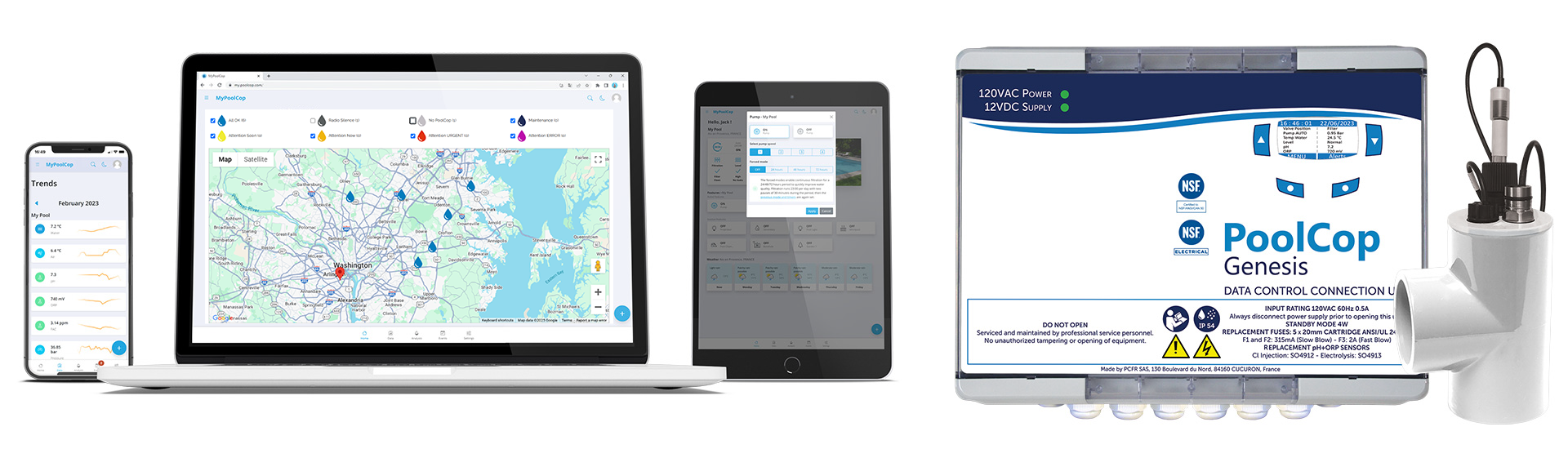
Aquatic specialty providers offer a range of services including commercial pool maintenance, repairs, renovations, safety audits, operator training, and the installation of advanced automation systems with 24/7 remote monitoring to ensure optimal facility performance and compliance.
How can national aquatic services enhance safety?
National aquatic services enhance safety by implementing rigorous compliance standards, conducting regular safety audits, and providing expert training for staff. These measures ensure operational excellence, reduce risks, and promote a culture of safety across aquatic facilities.
What are the benefits of aquatic specialty services?
The benefits of aquatic specialty services include enhanced safety, improved water quality, compliance with regulations, and prolonged asset life. These services ensure efficient operations, reduce maintenance costs, and provide expert support tailored to specific aquatic environments.
How to choose the right aquatic service provider?
Choosing the right aquatic service provider involves evaluating their expertise, safety certifications, and customer support. Look for a company with a proven track record in compliance and a commitment to operational excellence, such as Specialty Aquatics and Consulting.
What products are included in aquatic services?
The products included in aquatic services encompass a range of essential equipment such as pool covers, pumps, filters, sanitation systems, and automation solutions, all designed to enhance safety, efficiency, and compliance in aquatic facilities.
How do aquatic services reduce operating costs?
Aquatic services reduce operating costs by implementing efficient maintenance practices, optimizing equipment performance, and utilizing smart automation systems. These strategies enhance water quality, extend equipment lifespan, and minimize energy consumption, resulting in significant cost savings for facility operators.
What is the role of aquatic specialty services?
The role of aquatic specialty services is to enhance the safety, efficiency, and compliance of aquatic facilities through expert maintenance, consulting, and innovative solutions. These services ensure optimal water quality, operational reliability, and adherence to industry regulations.
How to maintain commercial aquatic facilities effectively?
Effective maintenance of commercial aquatic facilities involves implementing regular inspections, adhering to safety regulations, utilizing automated monitoring systems, and performing timely repairs and upgrades to equipment. This ensures optimal water quality and operational efficiency while enhancing safety for users.
What innovations are in aquatic specialty services?
Innovations in aquatic specialty services include advanced automation systems for 24/7 remote monitoring, enhanced filtration technologies, and smart sanitation solutions that improve safety, reduce operational costs, and extend the lifespan of aquatic facilities.
How do aquatic services prolong pool lifespan?
Aquatic services prolong pool lifespan by implementing regular maintenance, advanced filtration systems, and proactive inspections. These practices ensure optimal water quality, prevent equipment wear, and address issues before they escalate, ultimately safeguarding your pool investment for years to come.
What are the trends in aquatic specialty services?
The trends in aquatic specialty services include a growing emphasis on safety and compliance, integration of smart automation for efficient operations, and enhanced water quality management techniques. These innovations aim to improve facility reliability and reduce operational costs.
How to evaluate aquatic service quality?
Evaluating aquatic service quality involves assessing the provider's expertise, safety compliance, responsiveness, and the effectiveness of their maintenance practices. Look for certifications, client testimonials, and a commitment to proactive service and operational excellence.
What certifications should aquatic service providers have?
Aquatic service providers should have certifications such as those from the Pool and Hot Tub Alliance (PHTA), National Plaster Council, and the National Recreation and Parks Association (NRPA) to ensure safety and regulatory compliance in their operations.
How to upgrade existing aquatic facilities?
Upgrading existing aquatic facilities involves assessing current systems, implementing modern automation and monitoring technologies, enhancing safety measures, and ensuring compliance with regulatory standards. Collaborating with experienced professionals can facilitate effective renovations and improvements.
What are common challenges in aquatic services?
Common challenges in aquatic services include maintaining regulatory compliance, ensuring water quality, managing equipment reliability, and addressing safety concerns. These factors require ongoing attention to prevent operational disruptions and enhance the safety of aquatic environments.
How to ensure compliance in aquatic facilities?
Ensuring compliance in aquatic facilities involves adhering to local regulations, implementing safety protocols, conducting regular inspections, and providing staff training. Utilizing expert consulting services can further enhance operational adherence and mitigate risks associated with non-compliance.
What technologies are used in aquatic services?
The technologies used in aquatic services include advanced automation systems, 24/7 remote monitoring solutions, and efficient filtration and sanitation equipment. These innovations enhance safety, optimize maintenance, and ensure compliance with industry standards for aquatic facilities.
How to assess aquatic service needs?
Assessing aquatic service needs involves evaluating facility conditions, safety compliance, and operational efficiency. Conduct regular inspections, review maintenance records, and consult with experts to identify areas for improvement and ensure optimal performance of aquatic environments.
What is the future of aquatic specialty services?
The future of aquatic specialty services is focused on enhanced safety, automation, and sustainability. Innovations in technology, such as smart monitoring systems, will drive operational efficiency and regulatory compliance, ensuring safer aquatic environments for users.