
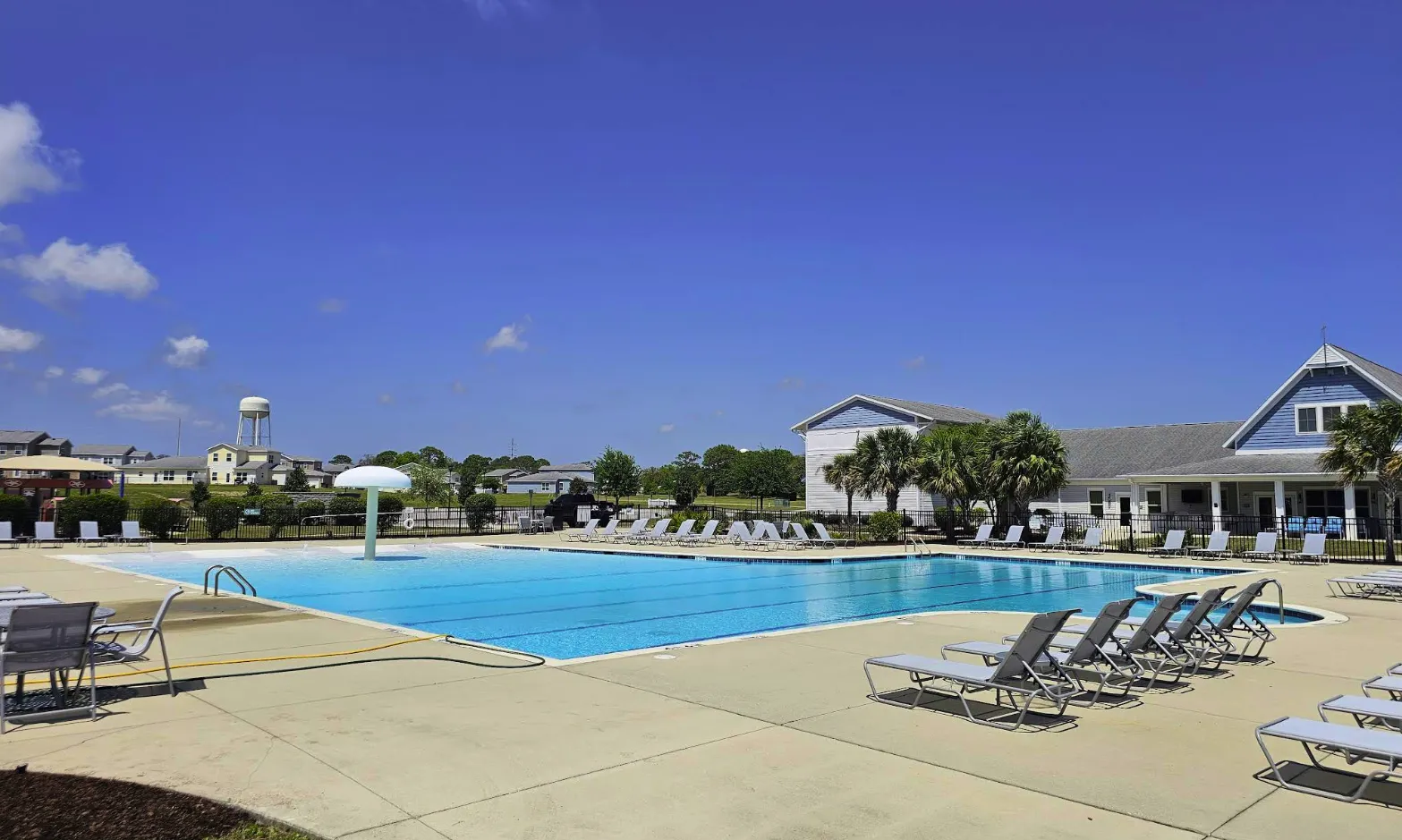
Apartment Pool Maintenance: Best Practices for Multi-Family Communities
By Michael Scheetz, Specialty Aquatics and Consulting, LLC
Keeping a clean, safe pool is one of the most visible ways property managers improve resident satisfaction and reduce liability. This guide summarizes practical, proven best practices for multi‑family pool management — routine cleaning, safety checks, and chemical control — so you can keep water quality high, equipment protected, and residents happy.
Cleaning Schedules:
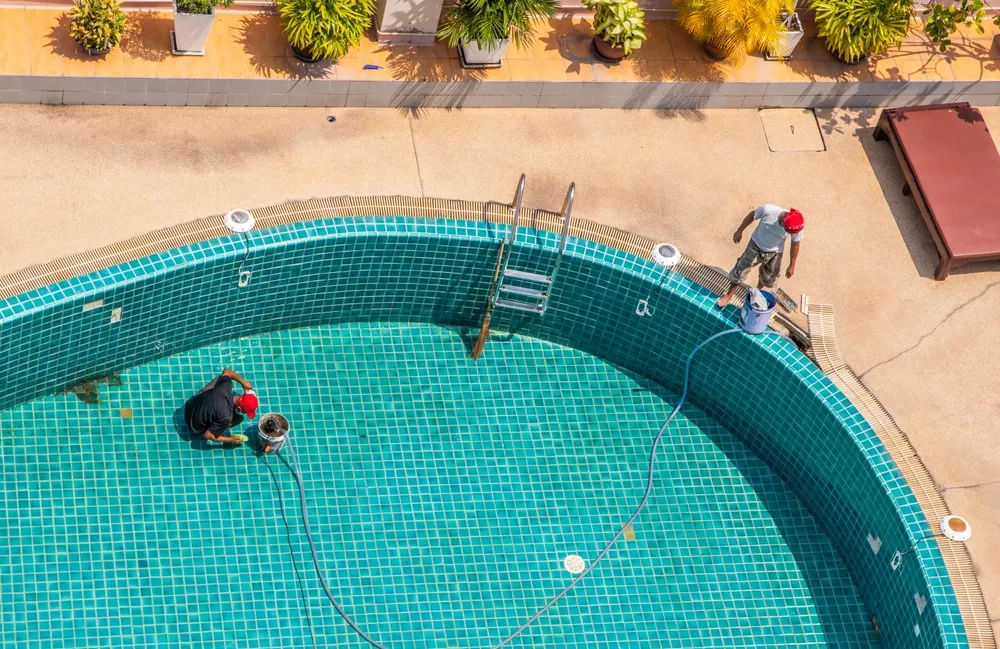
Consistent cleaning prevents debris buildup, limits contaminants, and keeps the pool attractive and safe. Break tasks into daily, weekly, and monthly workstreams that reflect your pool’s use and environment.
- Daily Tasks: Skim surface debris, check and adjust chemicals, and tidy furniture and walkways.
- Weekly Tasks: Vacuum floors, brush walls and tile lines, and inspect pumps, filters, and visible equipment.
- Monthly Tasks: Deep‑clean tiles and grouting, backwash or service filters as needed, and inspect all safety and mechanical systems.
Use a simple log to record completion of these tasks so teams remain consistent and residents have a reliable amenity.
Safety Protocols:
Safety routines protect residents and support regulatory compliance. Focus on inspections, staff training, and resident education.
- Regular Safety Inspections: Walk the area to spot slippery surfaces, loose drains, or damaged fencing and fix hazards promptly.
- Staff Training: Maintain CPR and first aid certification, emergency response training, and familiarity with safety equipment.
- Community Education: Post clear rules, share safety reminders, and run occasional briefings to reinforce responsible use.
Prioritizing these elements reduces accident risk and demonstrates proactive management.
Chemical Management:
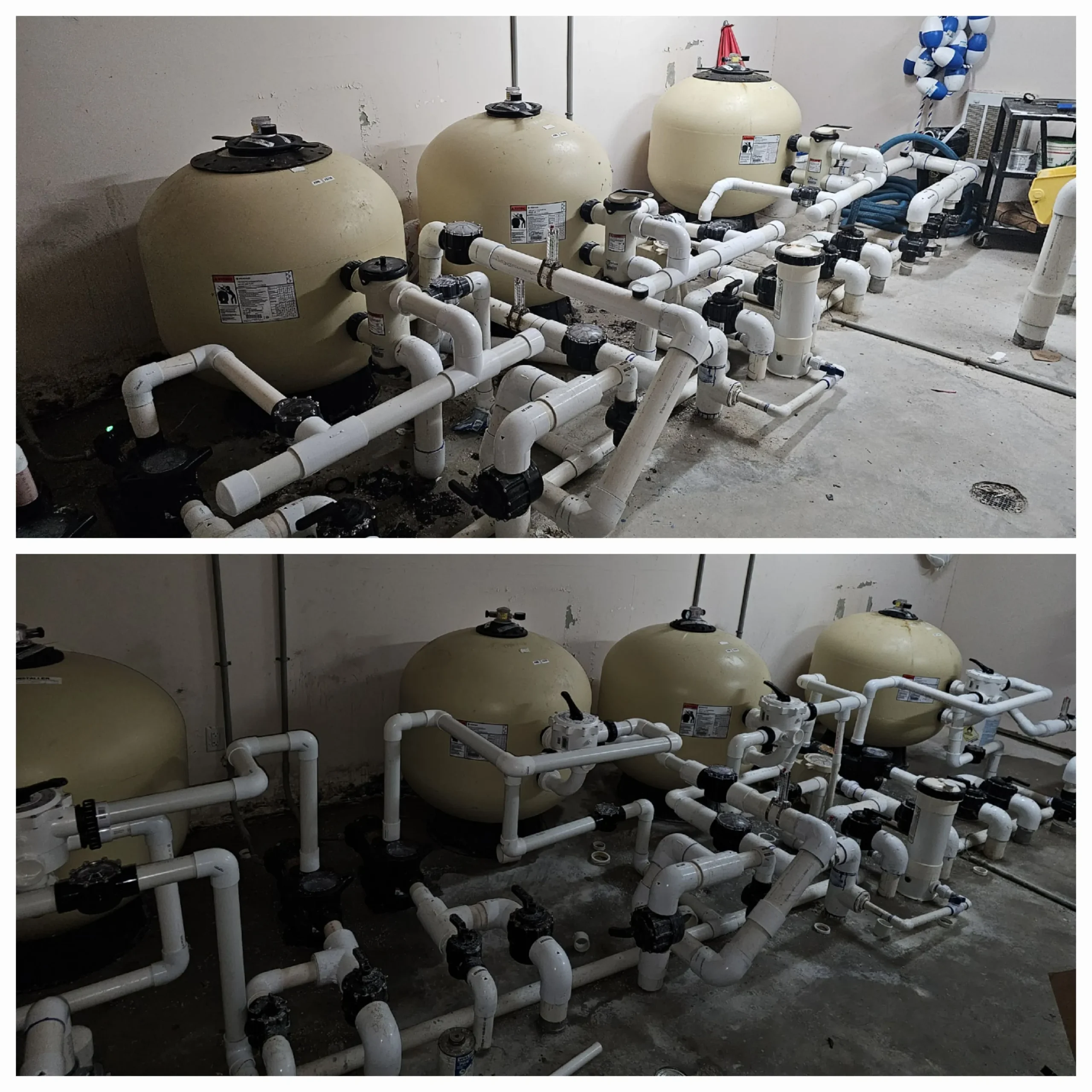
Balanced water chemistry keeps swimmers safe and protects finishes and equipment. Test regularly, handle chemicals safely, and keep accurate records.
- Regular Testing: Measure pH, free chlorine, and other key parameters on a schedule that matches usage and weather.
- Safe Chemical Handling: Train staff on storage, mixing, and spill response to avoid accidents and degradation.
- Documentation: Log tests and adjustments to track trends and provide inspection records.
Consistent chemical management preserves water clarity and extends equipment life.
How Often Should Multi-Family Apartment Pools Be Cleaned?
Frequency depends on use, location, and weather. A baseline: daily surface care and chemical checks, weekly deeper cleaning, and monthly system and safety inspections. Increase frequency after storms or during high bather use.
- Daily Cleaning: Skimming, debris removal, and quick chemical checks keep water clear.
- Weekly Cleaning: Vacuuming and brushing prevent algae and buildup; check equipment for small issues.
- Monthly Cleaning: Deep cleaning, filter service, and full equipment inspections maintain reliability.
Adjust your schedule as needed; flexibility is key to maintaining good water quality.
Recommended Pool Cleaning Schedules for Residential Complexes
Start with a standard schedule and tailor it. Clear responsibilities and recorded times help tasks stay on track across shifts.
- Daily: Skim, check and record chemical levels, tidy furniture and decks.
- Weekly: Vacuum, brush walls and steps, inspect pumps and filters.
- Monthly: Deep clean tiles, service filtration systems, and test safety equipment.
Document who does each task and when to ensure smooth handoffs and accountability.
What Are the Key Chemical Balancing Techniques for Community Pools?
Focus on a few core metrics and act quickly when readings deviate to keep swimmers comfortable and equipment protected.
- Maintaining Chlorine Levels: Target free chlorine between 1–3 ppm for effective disinfection with minimal irritation.
- pH Level Management: Keep pH near 7.2–7.8 to optimize sanitizer performance and swimmer comfort.
- Regular Testing: Test more often after heavy use or storms to correct imbalances promptly.
Routine, measured adjustments based on test data maintain a healthy pool and reduce equipment wear.
How Can Property Managers Ensure Pool Safety Compliance?
Compliance relies on knowing local rules, following routine maintenance, and documenting actions and training.
- Understanding Local Regulations: Review local and state health codes to ensure your pool meets current requirements.
- Regular Maintenance Protocols: Keep documented inspection and repair schedules so safety barriers and devices remain effective.
- Staff Training and Documentation: Train staff, keep logs of inspections and incidents, and retain records for audits.
Clear policies and consistent records make inspections smoother and reduce legal exposure.
What Are Best Practices for Pool Equipment Maintenance in Apartment Complexes?
Regular equipment care prevents failures and extends asset life. Use predictable service intervals and fix issues early.
- Routine Maintenance Schedules: Define service intervals for pumps, filters, heaters, and controls to catch wear before failure.
- Common Issues to Address: Watch for leaks, unusual noises, reduced flow, and corrosion and address them promptly.
- Preventative Maintenance Strategies: Clean filters, check seals, and monitor motor performance to limit unexpected downtime.
Routine Inspection and Repair of Pool Equipment Models
Make inspections regular and actionable so minor issues get repaired before they become emergencies.
- Inspection Frequency: At minimum monthly checks; increase frequency for high‑use or aging systems.
- Maintenance Checklist: Cover leaks, pump and filter operation, electrical connections, and safety devices.
- Repair Techniques: Train staff on basic fixes and keep trusted contractors for complex repairs.
Routine attention keeps equipment efficient and reduces emergency calls.
Frequently Asked Questions
What are the benefits of regular pool maintenance in multi-family communities?
Regular maintenance improves safety, preserves water quality, and protects property value. Well‑managed pools reduce algae and waterborne issues, encourage resident use, and lower long‑term repair costs while supporting health-code compliance.
How can property managers educate residents about pool safety?
Use clear signage, regular communications (newsletters and emails), and occasional briefings. Visible rules and repeated reminders help cultivate safe behavior and reduce risky use.
What should be included in a pool maintenance log?
Log the date, tasks completed, chemical test results and adjustments, equipment inspections, and any repairs or incidents. Detailed entries reveal trends and provide documentation for inspections.
How can weather conditions affect pool maintenance schedules?
Weather changes demand schedule adjustments: heavy rain can bring debris and dilute chemicals; heat raises bather load and chemical demand. Increase cleaning and testing around storms and heat waves.
What are the signs of poor water quality in a community pool?
Look for cloudy or discolored water, strong chemical odors, visible algae, and swimmer irritation. Regular pH and chlorine tests help detect and correct problems early.
What are the common challenges faced in pool maintenance for multi-family communities?
Common challenges include high usage, staying current with regulations, and meeting resident expectations. High traffic speeds chemical depletion and wear; clear rules, a structured maintenance plan, and good communication address these issues.