by Michael Scheetz | Oct 13, 2026 | Compliance, Maintenance, Military Housing, Multi-Family, Pool Automation, Pool Repair, Recreation Centers, Safety
Commercial pool maintenance for new property managers inheriting an unfamiliar pool starts with a complete facility inspection before opening. This structured approach reduces unexpected maintenance issues, supports water quality, and keeps equipment operating...
by Michael Scheetz | Oct 1, 2026 | Compliance, Pool Repair, Safety
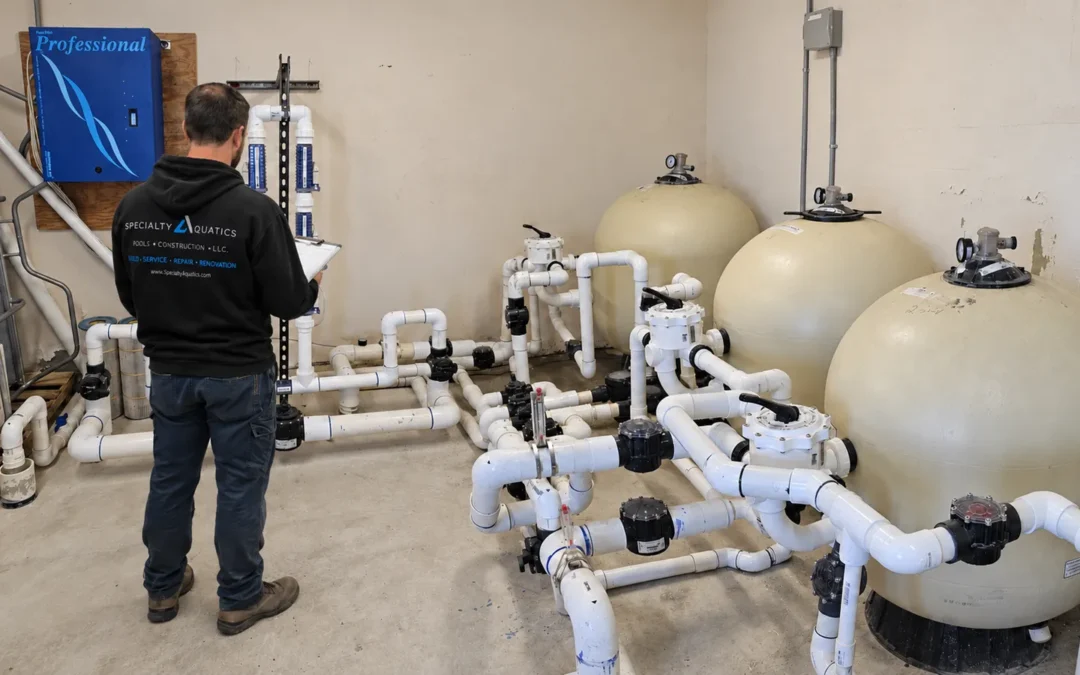
As October arrives and temperatures begin to drop across the Atlanta Metro area, most commercial pool owners, HOAs, municipalities, hotels, and multi-family properties are focused on one question: when do we close? But there’s a second question that deserves...
by Michael Scheetz | Sep 22, 2026 | Compliance, Hotels, Maintenance, Military Housing, Multi-Family, Pool Automation, Pool Repair, Recreation Centers, Resorts, Safety
For most commercial facilities across the Atlanta Metro area and the Florida Panhandle, the season is either closed or winding down, and attention has already shifted to winterization, storm cleanup, and 2027 budget planning. But before those service records get filed...
by Michael Scheetz | Sep 10, 2026 | Compliance, Hotels, Lifeguards, Maintenance, Military Housing, Multi-Family, Recreation Centers, Resorts, Safety
Mid-September marks the historical peak of the Atlantic hurricane season, and it also falls squarely within **National Preparedness Month**, observed every September to encourage individuals, businesses, and communities to plan ahead for emergencies. For commercial...
by Michael Scheetz | Aug 26, 2026 | Compliance, Hotels, Military Housing, Multi-Family, Recreation Centers, Resorts, Safety
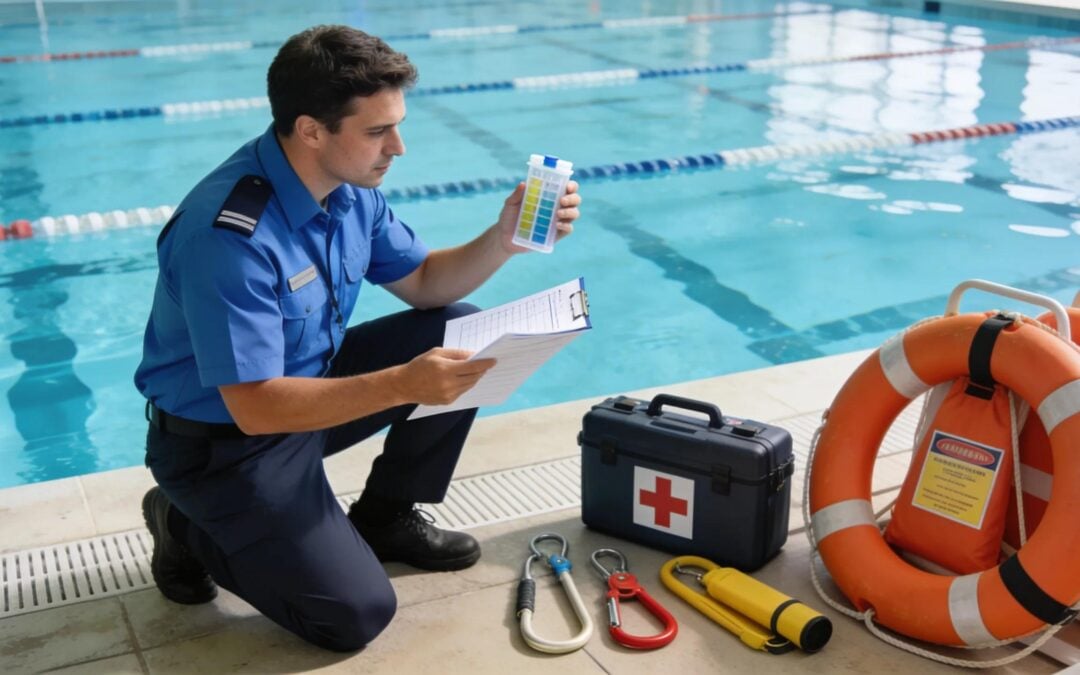
An independent pool safety audit is a critical evaluation process designed to ensure that aquatic facilities comply with safety regulations and standards. These audits not only assess the physical condition of the pool and its surrounding areas but also evaluate...
by Michael Scheetz | Aug 19, 2026 | Compliance, Lifeguards, Military Housing, Multi-Family, Recreation Centers, Safety
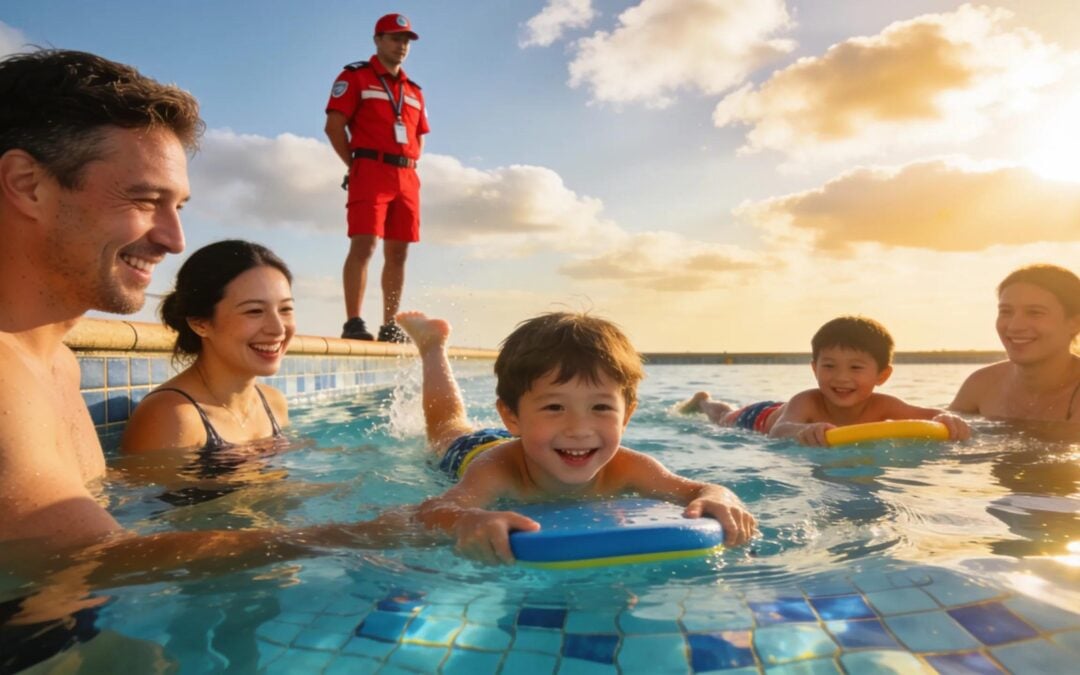
Learning to swim is not just an essential skill—it is fundamental to lifelong health and safety for individuals and communities. Families and aquatic facilities across Atlanta and the Florida Panhandle often overlook the myriad benefits that swim lessons offer, from...