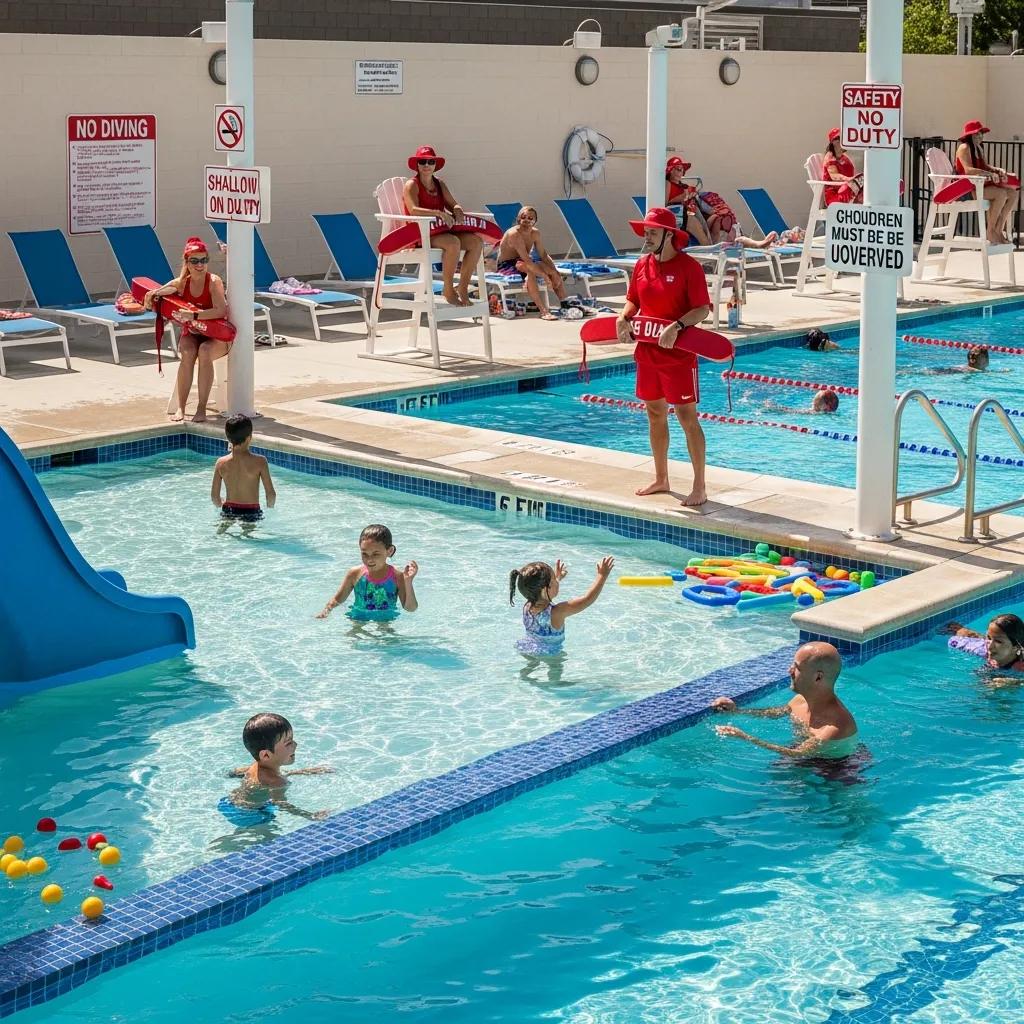
Lifeguard in yellow shirt with "LIFEGUARD" text, holding an orange life preserver, overseeing an indoor swimming pool environment, emphasizing safety and compliance in aquatic facilities.

Commercial Aquatics Risk Management for Recreation Centers: Strategies for Safety, Compliance, and Liability Prevention

Effective risk management in commercial aquatics is crucial for recreation centers to ensure the safety of patrons and staff while minimizing liability. This article explores essential strategies for managing risks associated with aquatic facilities, focusing on safety protocols, compliance measures, and liability prevention. Readers will learn about the importance of comprehensive risk assessments, proactive safety measures, and the role of expert consulting services in enhancing facility security. As recreation centers face increasing scrutiny regarding safety and compliance, understanding these strategies is vital for operational success. The following sections will delve into key risk management strategies, safety protocols, liability prevention approaches, compliance practices, and consulting services that support comprehensive aquatic risk management.

What Are the Key Commercial Pool Risk Management Strategies?

Commercial pool risk management involves a series of strategies designed to identify, assess, and mitigate potential hazards in aquatic facilities. These strategies are essential for ensuring the safety of patrons and staff while maintaining compliance with regulations. Comprehensive risk assessments play a pivotal role in identifying aquatic hazards, allowing facilities to implement proactive measures that mitigate common pool risks.

How Do Comprehensive Risk Assessments Identify Aquatic Hazards?

Comprehensive risk assessments are systematic evaluations that identify potential hazards within aquatic environments. These assessments typically involve several steps, including hazard identification, risk analysis, and risk evaluation. Common aquatic hazards include slip and fall incidents, drowning risks, and equipment malfunctions. By employing methods such as safety audits and staff interviews, recreation centers can pinpoint vulnerabilities and develop targeted strategies to address them. Regular assessments are crucial, as they ensure that new hazards are identified and managed promptly.

What Proactive Measures Mitigate Common Pool Risks?

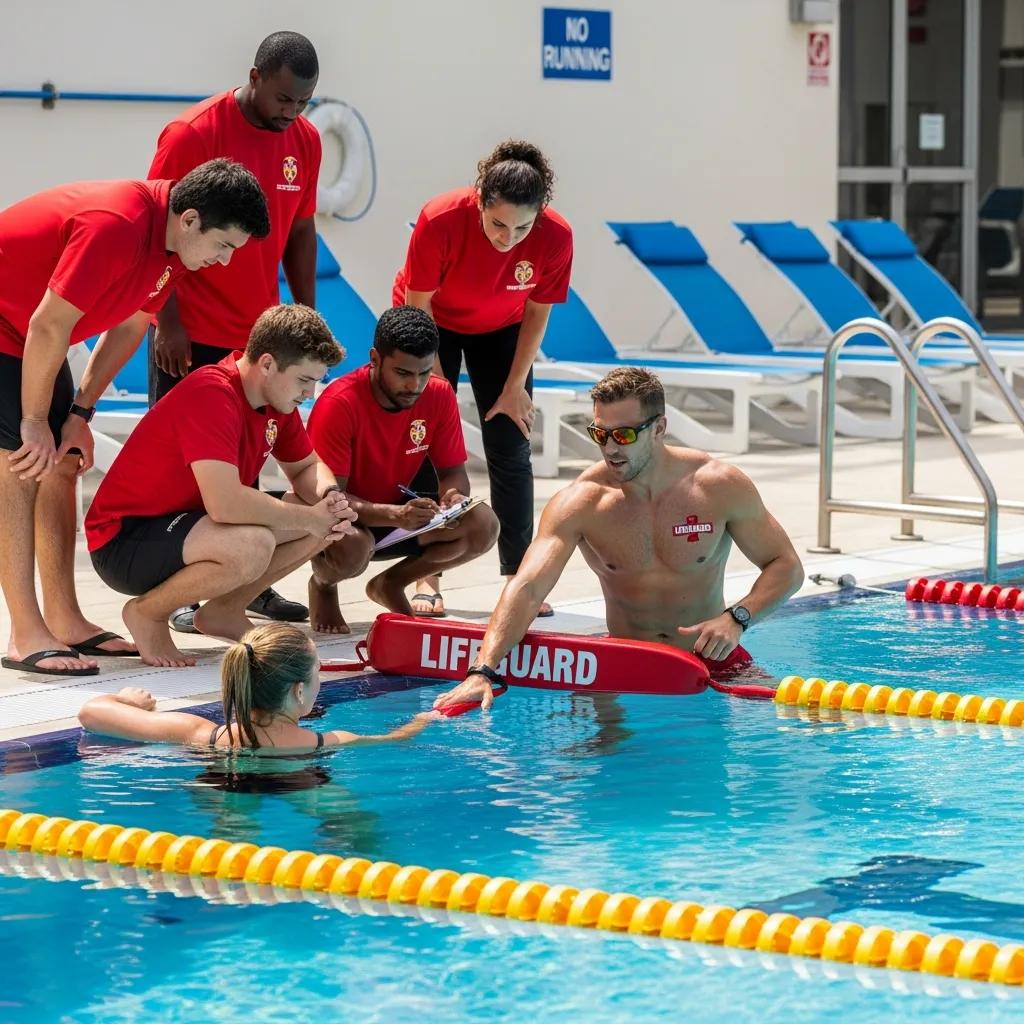
Lifeguard training session at a pool, demonstrating teamwork and proactive safety measures with staff in red shirts, discussing safety protocols while a trainee practices in the water.

Proactive measures are essential for preventing common pool risks and ensuring a safe environment for all users. These measures include implementing preventative maintenance practices, conducting regular staff training, and establishing clear signage and communication strategies. For instance, routine inspections of pool equipment and facilities can help identify potential issues before they escalate. Additionally, training staff in emergency preparedness and response can significantly reduce the likelihood of accidents and enhance overall safety.

How Can Recreation Center Aquatic Safety Protocols Enhance Facility Security?

Aquatic safety protocols are critical for enhancing the security of recreation centers. These protocols encompass a range of practices designed to protect patrons and staff from potential hazards. Essential components of these protocols include lifeguard training and certification standards, as well as the development of emergency action plans.

What Are Essential Lifeguard Training and Certification Standards?

Lifeguard training and certification standards are vital for ensuring that staff are equipped to respond effectively to emergencies. These standards typically include comprehensive training in water rescue techniques, CPR, first aid, and emergency response procedures. Ongoing training and recertification are essential to maintain skills and knowledge, ensuring that lifeguards are prepared to handle various situations that may arise in an aquatic environment.

Considering the critical role lifeguards play, it’s important to continuously evaluate if current training programs fully prepare them as first responders.

Lifeguard Certification & Emergency Care in Aquatic Facilities

The first-responder and professional-rescuer training materials and training programs consider lifeguards to be first responders in emergencies (Aehlert, 2005; American Red Cross, 2001). This article asks readers to consider whether our agency lifeguard-training programs reflect a philosophy that truly view and prepare lifeguards as first responders. If not, I challenge readers to consider whether we should alter our hiring, staffing, and in-service training procedures at aquatic facilities based on the scope and need for providing adequate emergency care at those facilities.

Handling Immediate Medical Care at Aquatic Facilities: Do We Need Different Levels of Lifeguard Certification?, 2007

How Do Emergency Action Plans and Drowning Prevention Strategies Work?

Emergency action plans (EAPs) are structured protocols that outline the steps to be taken in the event of an emergency, such as a drowning incident. These plans typically include clear roles and responsibilities for staff, communication procedures, and specific actions to be taken during various emergency scenarios. Drowning prevention strategies, such as swim tests and safety briefings, further enhance safety by educating patrons about potential risks and encouraging safe behaviors in and around the water.

What Are Effective Approaches to Aquatic Facility Liability Prevention?

Underwater view of a well-maintained swimming pool, showcasing clear blue water, lane markers, and tiled floor, relevant to aquatic facility safety and emergency protocols.

Liability prevention is a critical aspect of risk management for recreation centers. Understanding the various approaches to liability prevention can help facilities minimize their exposure to legal claims and ensure compliance with relevant regulations. Key strategies include obtaining commercial pool liability insurance and implementing robust legal compliance and record-keeping practices.

How Does Commercial Pool Liability Insurance Protect Recreation Centers?

Commercial pool liability insurance is designed to protect recreation centers from financial losses resulting from claims related to accidents or injuries that occur on their premises. This type of insurance typically covers legal fees, settlements, and medical expenses associated with such claims. By securing appropriate coverage, recreation centers can safeguard their financial stability and ensure they are prepared to handle potential liabilities.

Legal compliance and effective record-keeping practices are essential for reducing liability in aquatic facilities. Recreation centers must adhere to local, state, and federal regulations governing pool safety and operations. Maintaining accurate records of safety inspections, staff training, and incident reports can provide valuable documentation in the event of a claim. These practices not only help demonstrate compliance but also foster a culture of safety within the organization.

How Do Commercial Pool Operations Ensure Compliance and Optimal Management?

Ensuring compliance and optimal management in commercial pool operations requires a comprehensive approach that encompasses various best practices. Key areas of focus include water chemistry management, equipment maintenance, and staffing for safety.

What Are Best Practices for Water Chemistry and MAHC Compliance?

Maintaining proper water chemistry is crucial for ensuring the safety and comfort of pool users. Best practices for water chemistry management include regular testing of water quality parameters, such as pH, chlorine levels, and alkalinity. Compliance with the Model Aquatic Health Code (MAHC) guidelines is recommended for ensuring that water quality meets safety standards. Regular training for staff on water chemistry management further enhances compliance and operational safety.

Despite the clear benefits of standardized guidelines like the MAHC, their full adoption and consistent implementation across different states remain a significant challenge.

Model Aquatic Health Code Adoption for Pool Safety & Compliance

Despite the development of the Model Aquatic Health Code (MAHC), U.S. public health departments and aquatics agencies face obstacles in incorporating this guidance into their pool codes. A cross comparison of five state pool codes with the MAHC was conducted to quantify MAHC incorporation into these state codes. The proportion of MAHC code agreement with state codes in this study had a range of 14%–86%. Only 2% of all the MAHC codes available were present in all five state codes, conversely, 12% of the MAHC codes were not found in any state. These differences in code agreement highlight the challenge of measuring MAHC effectiveness at the national level. To improve aquatic safety at a national level, a potential solution is development and use of common core elements in state and local pool codes. Once there is a basis for code comparisons across states, public health programs can investigate whether core MAHC codes result in reduced waterborne illness outbreaks, drownin

Assessing state partner use of the Model Aquatic Health Code (MAHC): A cross comparison of five states with varying degrees of self-reported adoption status, 2014

How Does Equipment Maintenance and Staffing Impact Operational Safety?

Regular equipment maintenance is vital for ensuring the safe operation of pool facilities. This includes routine inspections and servicing of pool pumps, filters, and safety equipment. Additionally, adequate staffing levels are essential for maintaining safety standards and providing effective supervision of pool users. Well-trained staff can quickly respond to emergencies and ensure that safety protocols are followed, significantly reducing the risk of accidents.

What Consulting Services Support Comprehensive Aquatic Risk Management?

Consulting services play a crucial role in supporting recreation centers in their efforts to manage aquatic risks effectively. These services can provide expert assessments and management plans tailored to the specific needs of each facility.

How Do Expert Risk Assessments and Management Plans Improve Safety?

Expert risk assessments involve a thorough evaluation of a facility’s operations, safety protocols, and compliance measures. These assessments can identify areas for improvement and provide actionable recommendations to enhance safety. By implementing management plans based on these assessments, recreation centers can proactively address potential risks and create a safer environment for patrons and staff.

What Are the Benefits of Facility Renovation and Proactive Hazard Identification?

Facility renovation can significantly improve safety by addressing outdated equipment and infrastructure. Proactive hazard identification strategies, such as regular safety audits and staff training, can help ensure that potential risks are identified and mitigated before they lead to incidents. Investing in renovations and proactive measures not only enhances safety but also improves the overall experience for patrons.

StrategyDescriptionBenefit
Comprehensive Risk AssessmentsSystematic evaluations to identify hazardsEnhanced safety and compliance
Proactive Safety MeasuresPreventative maintenance and staff trainingReduced risk of accidents
Expert Consulting ServicesTailored assessments and management plansImproved operational safety

This table illustrates the various strategies that recreation centers can implement to enhance safety and compliance in their aquatic facilities.

Recreation centers must prioritize risk management to ensure the safety of their patrons and staff while minimizing liability. By implementing comprehensive risk assessments, proactive safety measures, and expert consulting services, facilities can create a secure environment that fosters enjoyment and compliance. Understanding the importance of these strategies is essential for the successful management of commercial aquatics.