
Spring Pool Water Chemistry: How to Balance and Treat Your Pool After Winter
As the winter months fade away, pool owners face the essential task of preparing their pools for the upcoming swimming season. Properly balancing and treating pool water after winter is crucial for ensuring a safe and enjoyable swimming experience. This article will guide you through the necessary steps to assess, clean, and chemically balance your pool water, focusing on effective techniques and best practices. By understanding the importance of water chemistry, you can prevent common issues such as algae growth and ensure your pool remains inviting throughout the spring.
Indeed, the continuous effort in maintaining residential pools is paramount for both water quality and the safety of swimmers.
Residential Pool Maintenance for Water Quality
Swimming pools provides various benefits for users, but their owners need to carry out constant maintenance to ensure water quality and user safety.
Residential swimming pools maintenance under an environmental perspective, IEMO de Moura, 2023
In this comprehensive guide, we will cover the initial assessment and cleaning of your pool, the importance of water testing, necessary chemical adjustments, algae prevention strategies, filtration and circulation practices, and ongoing maintenance tips. By following these steps, you can achieve optimal water quality and enjoy a refreshing swimming experience all season long.
1. Initial Assessment and Cleaning
Before diving into water chemistry, it’s essential to conduct a thorough assessment and cleaning of your pool. This initial step sets the foundation for effective water treatment and ensures that your pool is ready for the upcoming season.
- Remove Debris: Start by skimming the surface of the pool to remove leaves, twigs, and other debris. This prevents organic matter from decomposing in the water, which can lead to water quality issues.
- Inspect Pool Equipment: Check all pool equipment, including filters, pumps, and heaters, for any signs of damage or wear. Addressing these issues early can prevent costly repairs later.
- Prepare for Water Testing: Once the pool is clean, prepare for water testing by ensuring that all necessary tools and chemicals are on hand. This preparation will streamline the process of balancing your pool water.
By completing these initial steps, you create a clean slate for effective water treatment, making the subsequent steps in the process much more manageable.
2. Water Testing
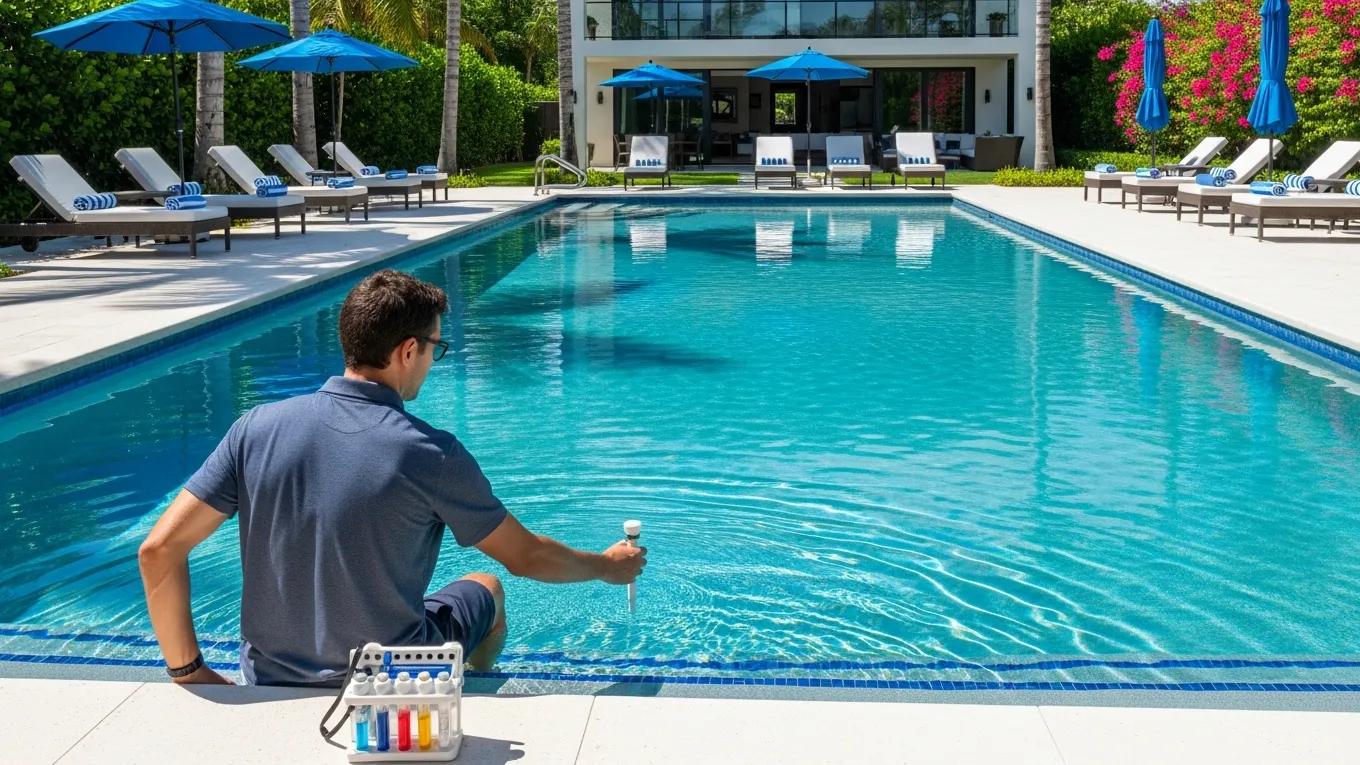
Water testing is a critical component of pool maintenance, as it allows you to assess the chemical balance of your pool water. Regular testing helps identify any imbalances that could lead to problems such as algae growth or skin irritation.
- Frequency of Testing: It is recommended to test your pool water at least once a week during the swimming season. More frequent testing may be necessary after heavy rain or significant pool usage.
- Key Parameters to Test: Focus on testing for pH, chlorine levels, alkalinity, and calcium hardness. Each of these parameters plays a vital role in maintaining water quality.
- Ideal Ranges:pH: 7.2 – 7.8Chlorine: 1 – 3 ppm (parts per million)Alkalinity: 80 – 120 ppmCalcium Hardness: 200 – 400 ppm
By regularly testing your pool water and understanding the ideal ranges for these parameters, you can take proactive measures to maintain a healthy swimming environment.
3. Chemical Adjustments
Once you have tested your pool water, the next step is to make the necessary chemical adjustments based on the test results. Proper chemical balancing is essential for ensuring safe swimming conditions and preventing issues such as algae growth.
- Methods for Adjusting pH: If your pH levels are too high, use a pH decreaser (sodium bisulfate) to lower it. Conversely, if the pH is too low, a pH increaser (sodium carbonate) can help raise it to the ideal range.
- Chlorine Adjustments: If chlorine levels are low, adding chlorine tablets or liquid chlorine can help achieve the desired concentration. For high levels, allow the chlorine to dissipate naturally or use a chlorine neutralizer.
- Importance of Calcium Hardness: Maintaining proper calcium hardness is crucial to prevent corrosion of pool surfaces and equipment. If levels are too low, add calcium chloride to increase hardness.
By following these guidelines for chemical adjustments, you can effectively balance your pool water and create a safe swimming environment.
4. Algae Prevention
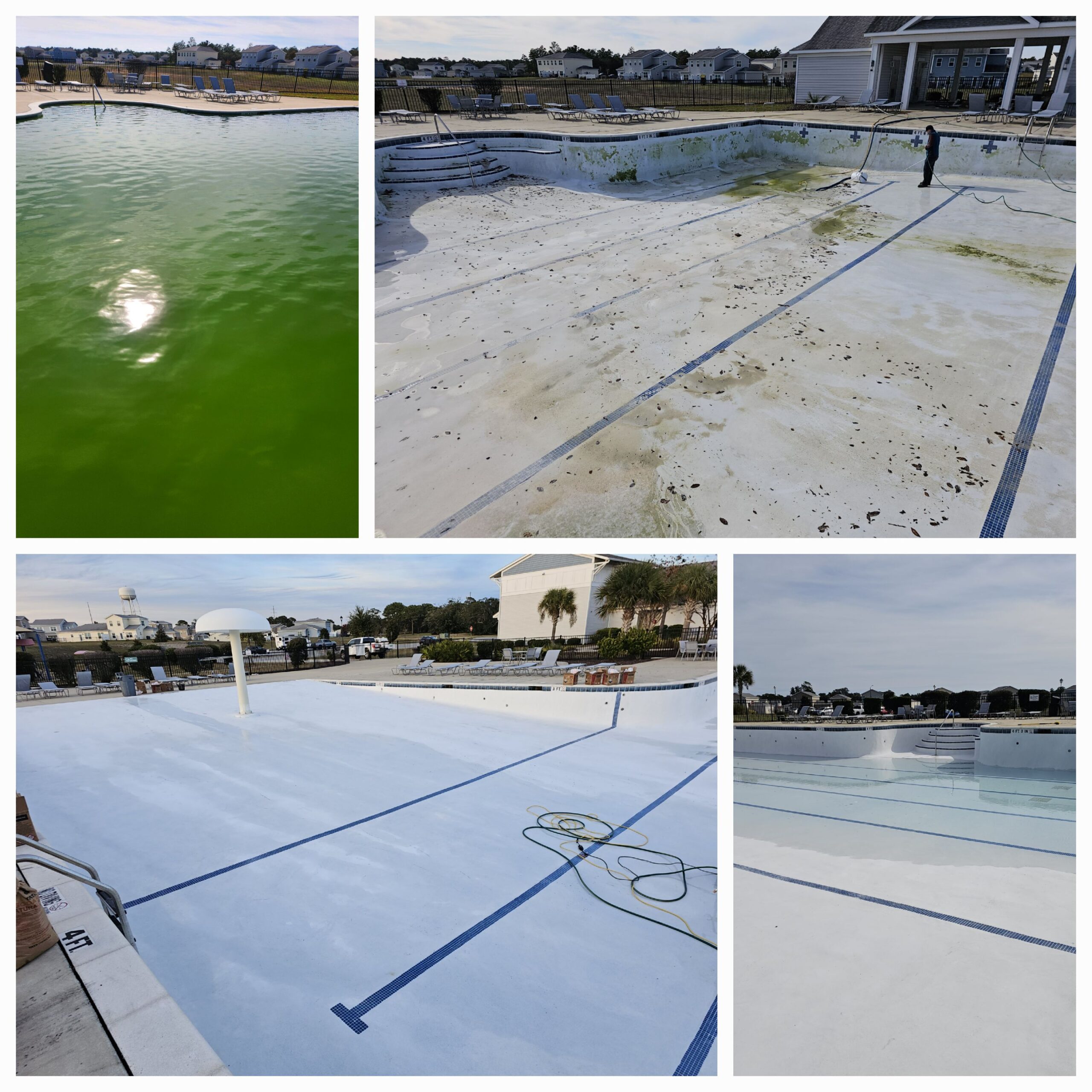
Preventing algae growth is a key aspect of pool maintenance, especially as temperatures rise in the spring. Algae can quickly turn a clear pool into a green, uninviting space.
- Use of Algaecides: Regularly applying algaecides can help prevent algae growth. Choose a product that is compatible with your pool type and follow the manufacturer’s instructions for application.
- Regular Cleaning Schedules: Establish a routine cleaning schedule that includes skimming, brushing, and vacuuming the pool. This helps remove organic matter that can fuel algae growth.
- Monitoring Water Quality: Keep an eye on water clarity and chemical levels. If you notice any changes, take immediate action to address potential issues.
By implementing these algae prevention techniques, you can maintain a clean and inviting pool throughout the spring season.
5. Filtration and Circulation
Proper filtration and circulation are essential for maintaining water quality in your pool. A well-functioning filtration system helps remove debris and contaminants, while good circulation ensures that chemicals are evenly distributed throughout the water.
- Running the Filter: After making chemical adjustments, run the pool filter for at least 24 hours to ensure that the chemicals are properly mixed and any contaminants are removed.
- Backwashing the Filter: Regularly backwash your filter according to the manufacturer’s instructions. This process removes trapped debris and helps maintain optimal filter performance.
- Maintaining Water Circulation: Ensure that water is circulating effectively throughout the pool. Check for any obstructions in the return jets and adjust the pool’s water level as needed.
By prioritizing filtration and circulation, you can enhance the overall quality of your pool water and create a more enjoyable swimming experience.
6. Maintenance Tips
Ongoing maintenance is crucial for keeping your pool water balanced and clean throughout the spring season. Here are some essential tips to help you stay on top of your pool care.
- Routine Checks of Pool Equipment: Regularly inspect your pool equipment, including pumps, filters, and heaters, to ensure they are functioning properly. Address any issues promptly to avoid costly repairs.
- Monitoring Water Levels: Keep an eye on your pool’s water levels, especially after heavy rain or evaporation. Maintaining the correct water level is essential for proper filtration and skimming.
- Ensuring Safety Compliance: Regularly check safety equipment, such as pool covers and alarms, to ensure they are in good working order. This helps keep swimmers safe and prevents accidents.
By following these maintenance tips, you can ensure that your pool remains in excellent condition throughout the spring and summer months.
How Do You Test and Adjust Pool Water pH After Winter?
Testing and adjusting pool water pH after winter involves using a reliable testing kit to measure the pH levels. If the pH is outside the ideal range of 7.2 to 7.8, adjustments can be made using pH increasers or decreasers as needed. Regular testing ensures that the water remains balanced and safe for swimming.
What Is the Ideal pH Level for Spring Pool Water?
The ideal pH level for spring pool water is between 7.2 and 7.8. Maintaining this range helps prevent skin irritation and ensures that chlorine is effective in sanitizing the water.
How to Use pH Testing Kits and Adjusters Effectively?
To use pH testing kits effectively, follow the manufacturer’s instructions for collecting water samples and interpreting results. When adjusting pH, add the recommended amount of pH increaser or decreaser gradually, retesting the water after a few hours to ensure it falls within the ideal range.
What Are the Step-by-Step Pool Chemical Balancing Guidelines for Spring?
- Test the water for pH, chlorine, alkalinity, and calcium hardness.
- Adjust pH levels using pH increasers or decreasers.
- Balance chlorine levels by adding chlorine tablets or liquid chlorine.
- Adjust alkalinity and calcium hardness as needed.
- Retest the water to ensure all parameters are within the ideal ranges.
How to Balance Chlorine, Alkalinity, and Hardness Levels?
Balancing chlorine, alkalinity, and hardness levels involves testing each parameter and making adjustments based on the results. For chlorine, add tablets or liquid as needed. For alkalinity, use sodium bicarbonate to raise levels or muriatic acid to lower them. Calcium hardness can be adjusted with calcium chloride if levels are too low.
When and How to Stabilize Chlorine for Long-Lasting Effect?
Chlorine stabilization is typically done when opening the pool for the season. Use a stabilizer (cyanuric acid) to protect chlorine from being broken down by sunlight. Follow the manufacturer’s instructions for the appropriate dosage based on your pool size.
How and When Should You Shock Your Pool in Spring?
Shocking your pool should be done at the beginning of the season and after heavy usage or rain. Use a chlorine shock treatment to quickly raise chlorine levels and eliminate contaminants. Follow the product instructions for the correct dosage and timing.
What Is Pool Shock Treatment and Why Is It Important?
Pool shock treatment involves adding a high dose of chlorine to the water to eliminate bacteria, algae, and other contaminants. It is important for maintaining water clarity and safety, especially after periods of heavy use or when opening the pool for the season.
How to Choose the Right Shock Chemicals for Your Pool?
When choosing shock chemicals, consider the type of pool you have (chlorine or saltwater) and the specific needs of your water chemistry. Look for products that are compatible with your pool type and follow the manufacturer’s recommendations for use.
What Are Effective Algae Prevention Techniques for Spring Pools?
Effective algae prevention techniques include maintaining proper chlorine levels, using algaecides, and ensuring regular cleaning and filtration. Monitoring water quality and addressing any imbalances promptly can also help prevent algae growth.
How Does Regular Chlorination Help Prevent Algae Growth?
Regular chlorination helps prevent algae growth by maintaining a consistent level of chlorine in the water, which inhibits the growth of algae and bacteria. This is essential for keeping the pool water clear and safe for swimming.
What Additional Treatments Support Algae Control?
In addition to regular chlorination, using algaecides and maintaining proper water circulation can support algae control. Regularly brushing the pool walls and floor also helps remove algae spores before they can establish themselves.
What Are the Essential Spring Pool Opening Steps for Water Chemistry?
Essential spring pool opening steps for water chemistry include cleaning the pool, testing the water, making necessary chemical adjustments, and ensuring proper filtration and circulation. Following these steps will help ensure a smooth transition into the swimming season.
How to Prepare Your Pool for Seasonal Use After Winter?
Preparing your pool for seasonal use involves cleaning the pool, testing and balancing the water chemistry, and ensuring all equipment is functioning properly. This preparation is crucial for a safe and enjoyable swimming experience.
What Is the Recommended Spring Pool Water Testing Checklist?
A recommended spring pool water testing checklist includes:
- Test for pH, chlorine, alkalinity, and calcium hardness.
- Adjust chemical levels as needed.
- Check for any signs of algae or cloudiness.
- Ensure all pool equipment is functioning properly.
How Can Eco-Friendly and Automated Pool Chemical Treatments Improve Spring Maintenance?
Eco-friendly and automated pool chemical treatments can simplify spring maintenance by reducing the need for harsh chemicals and providing precise dosing. These systems can help maintain optimal water quality while minimizing environmental impact.
What Are the Latest Eco-Friendly Pool Chemicals in 2023?
As of 2023, the latest eco-friendly pool chemicals include natural enzyme-based cleaners and mineral sanitizers that reduce the need for traditional chlorine. These products offer effective sanitation while being gentler on the environment.
How Do Automated Water Testing Technologies Enhance Pool Care?
Automated water testing technologies enhance pool care by providing real-time monitoring of water chemistry. These systems can alert pool owners to imbalances and suggest corrective actions, making maintenance more efficient and effective.
How to Monitor and Maintain Balanced Pool Water Throughout Spring?
Monitoring and maintaining balanced pool water throughout spring involves regular testing, making timely adjustments, and keeping up with routine cleaning and maintenance tasks. Consistency is key to ensuring a safe and enjoyable swimming environment.
What Are Best Practices for Ongoing Chemical Testing?
Best practices for ongoing chemical testing include:
- Testing water at least once a week.
- Keeping a log of test results and adjustments.
- Using reliable testing kits for accurate readings.
How to Adjust Chemicals Based on Local Water Chemistry Variations?
Adjusting chemicals based on local water chemistry variations involves understanding the specific characteristics of your water supply, such as hardness and alkalinity. Tailor your chemical adjustments accordingly to maintain optimal water balance.
What Are Common Questions About Spring Pool Water Chemistry?
Common questions about spring pool water chemistry include:
- How often should I test my pool water?
- What should I do if my chlorine levels are too high?
- How can I prevent algae growth in my pool?
How Often Should You Shock Your Pool in Spring?
You should shock your pool at the beginning of the season, after heavy rain, or after significant pool usage. Regular shocking helps maintain water clarity and safety.
How to Prevent Algae Growth Effectively?
To prevent algae growth effectively, maintain proper chlorine levels, use algaecides, and ensure regular cleaning and filtration. Monitoring water quality and addressing any imbalances promptly can also help prevent algae growth.