
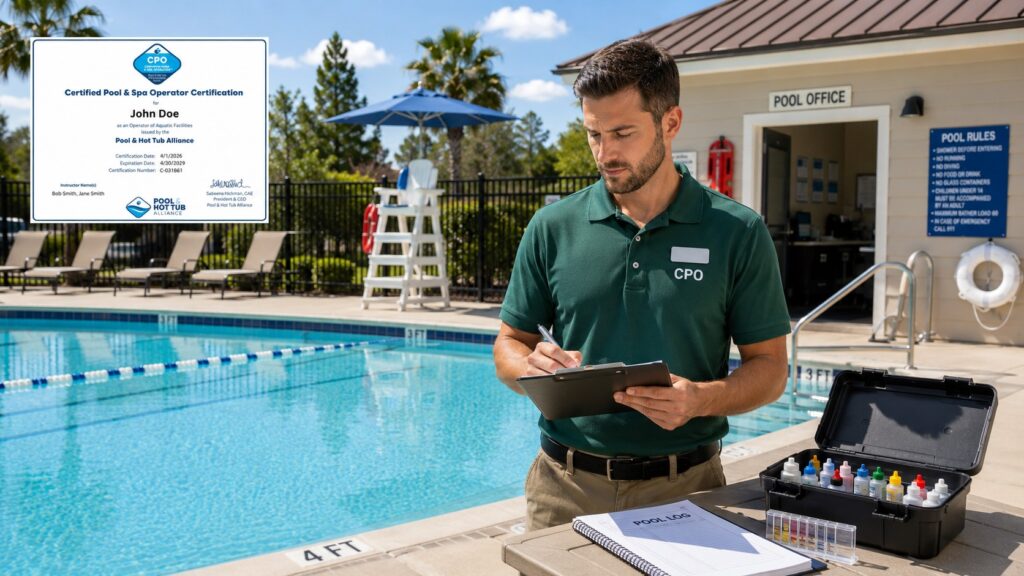
CPO Certification: Essential Guide for Pool Operators Preparing to Get Certified
By Michael Scheetz, Specialty Aquatics and Consulting, LLC
The Certified Pool Operator (CPO) certification is a vital credential for pool operators, ensuring they possess the necessary knowledge and skills to manage pool safety and maintenance effectively. This certification not only enhances the operator’s understanding of pool chemistry and safety protocols but also ensures compliance with local regulations. Many pool operators face challenges in navigating the certification process, understanding the requirements, and preparing for the exam. This guide aims to clarify these aspects, providing a comprehensive overview of the CPO certification process, its benefits, and effective preparation strategies. We will explore the certification requirements, the topics covered in the exam, and how Specialty Aquatics and Consulting can support your journey towards becoming a certified pool operator.
Overview
CPO certification is designed to equip pool operators with essential knowledge about pool management, safety, and maintenance practices. This certification is crucial for ensuring that pool operators can maintain water quality, manage pool chemicals, and adhere to safety regulations. The certification process involves completing a training course and passing an exam, which covers various topics related to pool operation. Understanding the importance of CPO certification can significantly impact the safety and efficiency of pool operations.
Certification Process
The certification process for becoming a CPO involves several key steps that ensure candidates are well-prepared for the responsibilities of pool management.
- Course Enrollment: Candidates must enroll in a CPO training course, which can be offered in various formats, including in-person and online.
- Training Completion: Participants must complete the training, which typically lasts for two days and covers essential topics such as water chemistry, safety protocols, and maintenance practices.
- Exam Registration: After completing the course, candidates can register for the CPO exam, which tests their knowledge and understanding of the material covered in the training.
- Passing the Exam: Candidates must pass the exam to receive their certification, demonstrating their competency in pool operation.
Requirements
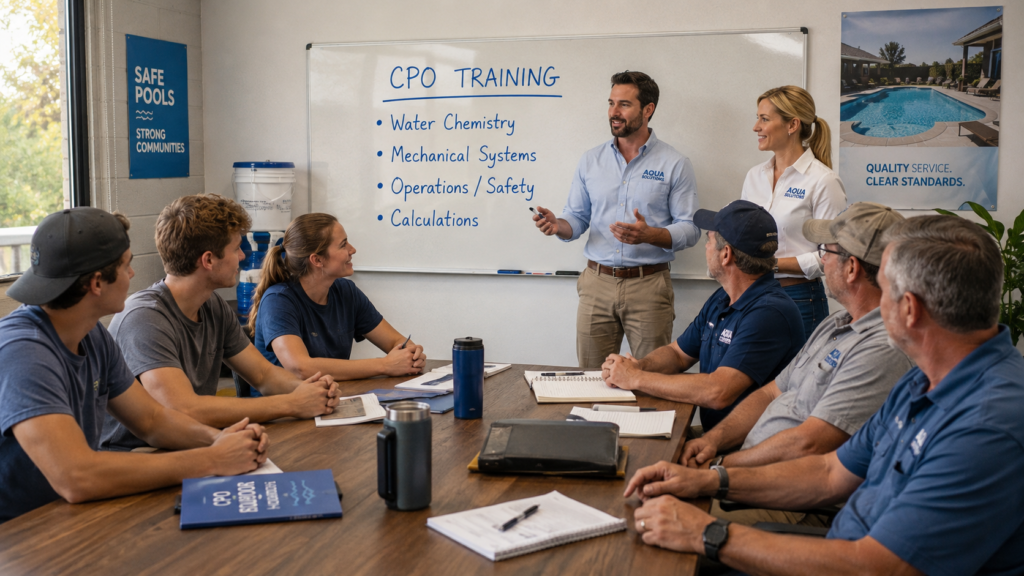
The CPO program does not require any prior aquatics experience or professional documentation to enroll, making it highly accessible to new and veteran pool operators alike.
Who Is Eligible for Certified Pool Operator Certification?
CPO certification is open to anyone interested in pool management, with no specific prerequisites required. This includes individuals working in various roles within the aquatic industry, such as lifeguards, maintenance staff, and facility managers.
What Documentation and Prerequisites Are Needed?
Candidates must provide the following documentation when applying for CPO certification:
- Proof of course completion from an accredited CPO training program.
- Identification documents, such as a driver’s license or government-issued ID.
- Any additional prerequisites as specified by the training provider.
Benefits of CPO Certification
Obtaining CPO certification offers numerous advantages for pool operators, enhancing their professional credibility and operational effectiveness.
- Knowledge Enhancement: CPO certification provides in-depth knowledge of pool chemistry, safety protocols, and maintenance practices, enabling operators to manage pools more effectively.
- Compliance with Regulations: Certified operators are better equipped to comply with local health and safety regulations, reducing the risk of violations and penalties.
- Career Advancement: CPO certification can open doors to new job opportunities and career advancement within the aquatic industry, as many employers prefer or require certification for pool management positions.
Effective Preparation Strategies
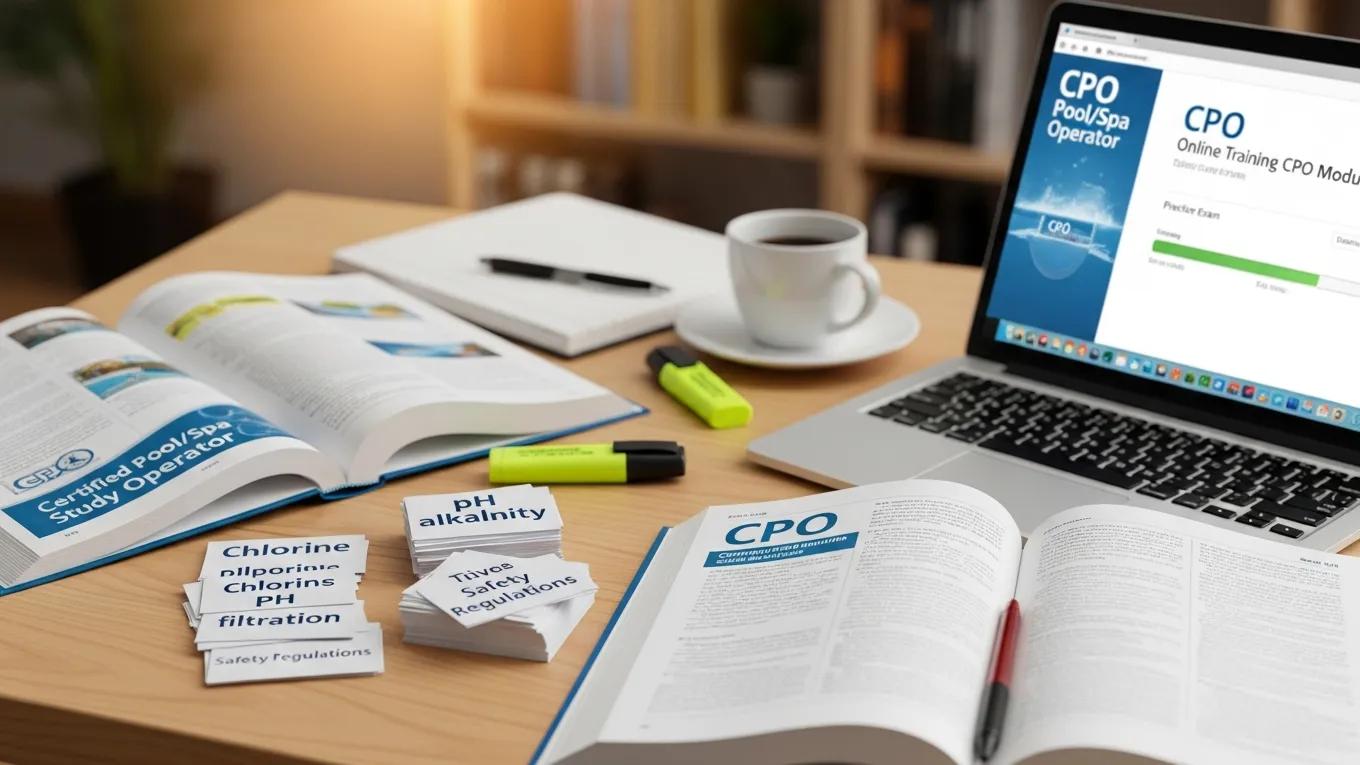
Preparing for the CPO exam requires a strategic approach to ensure success. Here are some effective strategies:
- Utilize Study Materials: Make use of recommended study guides and resources provided during the training course to reinforce your understanding of key concepts.
- Practice Exams: Taking practice exams can help familiarize candidates with the exam format and types of questions they may encounter.
- Group Study: Collaborating with peers who are also preparing for the exam can provide additional insights and support.
What Are the Pool Operator Certification Requirements?
Understanding the specific requirements for CPO certification is essential for prospective candidates.
Who Is Eligible for Certified Pool Operator Certification?
As mentioned earlier, the CPO certification is accessible to anyone interested in pool management, making it an inclusive opportunity for individuals across various backgrounds.
What Documentation and Prerequisites Are Needed?
Candidates must ensure they have the necessary documentation, including proof of course completion and identification, to facilitate a smooth certification process.
How to Prepare for the Certified Pool Operator Exam?
Effective preparation for the CPO exam involves several key steps that can enhance a candidate’s chances of success.
- Review Course Materials: Regularly revisit the materials covered during the training course to reinforce your understanding.
- Engage in Study Groups: Join or form study groups with fellow candidates to discuss challenging topics and share insights.
- Schedule Study Time: Create a study schedule that allocates time for each topic, ensuring comprehensive coverage of the exam material.
What Topics Are Covered in the CPO Exam?
The CPO exam encompasses a range of topics critical to pool operation, including:
- Water Chemistry: Understanding the chemical balance of pool water and its impact on safety and maintenance.
- Equipment Maintenance: Knowledge of pool equipment and its proper maintenance to ensure optimal performance.
- Safety Compliance: Familiarity with safety regulations and protocols to protect pool users and staff.
What Are Effective Study Tips and Resources?
To maximize study efficiency, consider the following tips and resources:
- Online Resources: Utilize online platforms that offer additional study materials and practice questions.
- Flashcards: Create flashcards for key terms and concepts to aid in memorization.
- Instructor Support: Reach out to instructors for clarification on complex topics or additional guidance.
What Are the Pool Safety and Chemical Handling Certification Standards?
Pool safety and chemical handling are critical components of CPO certification, ensuring operators can manage risks effectively.
- Safety Standards Overview: Operators must adhere to established safety standards to protect pool users and staff.
- Chemical Handling Protocols: Proper training in chemical handling is essential to prevent accidents and ensure safe pool operation.
How to Manage Pool Chemical Safety Properly?
Managing pool chemical safety involves implementing best practices to minimize risks associated with chemical use.
- Regular Testing: Conduct regular water tests to monitor chemical levels and ensure they remain within safe parameters.
- Safe Storage: Store chemicals in a secure location, away from direct sunlight and out of reach of unauthorized individuals.
- Emergency Procedures: Establish clear emergency procedures for chemical spills or exposure incidents to ensure prompt and effective responses.
What Are the Latest Pool Safety Regulations and Compliance Requirements?
Staying informed about the latest pool safety regulations is crucial for certified operators.
- Overview of Regulations: Operators must be aware of local and national regulations governing pool safety and maintenance.
- Compliance Requirements: Regular training and updates on compliance requirements are essential to maintain certification and ensure safe operations.
How Does the Certification Renewal and Continuing Education Process Work?
CPO certification is not a one-time achievement; it requires ongoing education and renewal.
How Long Is CPO Certification Valid?
CPO certification is typically valid for five years, after which operators must renew their certification to remain compliant.
What Are the Renewal Requirements and Continuing Education Options?
Renewal requirements may include:
- Completing a specified number of continuing education hours.
- Retaking the CPO exam or attending refresher courses to stay updated on industry standards.
What Pool Operator Training Courses Does Specialty Aquatics and Consulting Offer?
Specialty Aquatics and Consulting offers comprehensive training courses designed to prepare candidates for CPO certification. These courses cover essential topics, including water chemistry, safety protocols, and maintenance practices, ensuring participants are well-equipped for the exam. For more information about the training services offered, visit our website.
How Does Specialty Aquatics and Consulting’s Training Services Support Certification Preparation?
Specialty Aquatics and Consulting provides a range of training services that support candidates in their certification journey. These services include:
- Expert Instructors: Courses are led by experienced instructors who provide valuable insights and guidance.
- Flexible Learning Options: Training is available in various formats, including in-person and online, to accommodate different learning preferences.
- Comprehensive Resources: Participants receive access to study materials and resources that enhance their understanding of key concepts.
Where and How Can You Access Specialty Aquatics and Consulting’s Training Resources?
Accessing training resources from Specialty Aquatics and Consulting is straightforward. Interested candidates can enroll in courses through the Specialty Aquatics website or contact their support team for more information on available training options and resources.
This table highlights the significant benefits of obtaining CPO certification, emphasizing its impact on knowledge, compliance, and career opportunities for pool operators. To see examples of our work, check out our project portfolio.