
By Michael Scheetz, Specialty Aquatics and Consulting, LLC
Maintaining a commercial pool in Atlanta requires meticulous attention to ensure safety, cleanliness, and compliance with local regulations. This comprehensive guide will delve into the various aspects of pool maintenance, offering insights on routine practices, professional cleaning techniques, repair services, and seasonal care. Understanding the essential components of proper pool maintenance not only enhances the longevity of the pool but also ensures a safe swimming environment for patrons. Many pool operators face challenges related to equipment upkeep and water quality, risking potential harm to users. This guide will cover routine and seasonal maintenance practices, while also addressing safety standards and compliance requirements relevant to the Atlanta area.
Comprehensive Guide on Commercial Pool Maintenance in Atlanta, GA
Commercial pool maintenance encompasses various tasks critical to ensuring a safe and appealing environment for users. Regular maintenance is essential to prevent issues that could lead to costly repairs or safety hazards. Key components include routine cleaning, equipment maintenance, chemical balancing, and seasonal preparations to address changing weather conditions. Furthermore, familiarity with local health and safety regulations is crucial for compliance and the overall success of pool operations. Explore comprehensive pool maintenance services designed to keep your facility in top condition.
Routine Maintenance Practices
Routine maintenance practices lay the groundwork for an efficient pool care program. Regular tasks typically include the following:
- Daily Checks: Pool operators should inspect water clarity, test chemical levels, and clear debris from the surface. Failure to do so may result in significant cleanliness issues and liability risks.
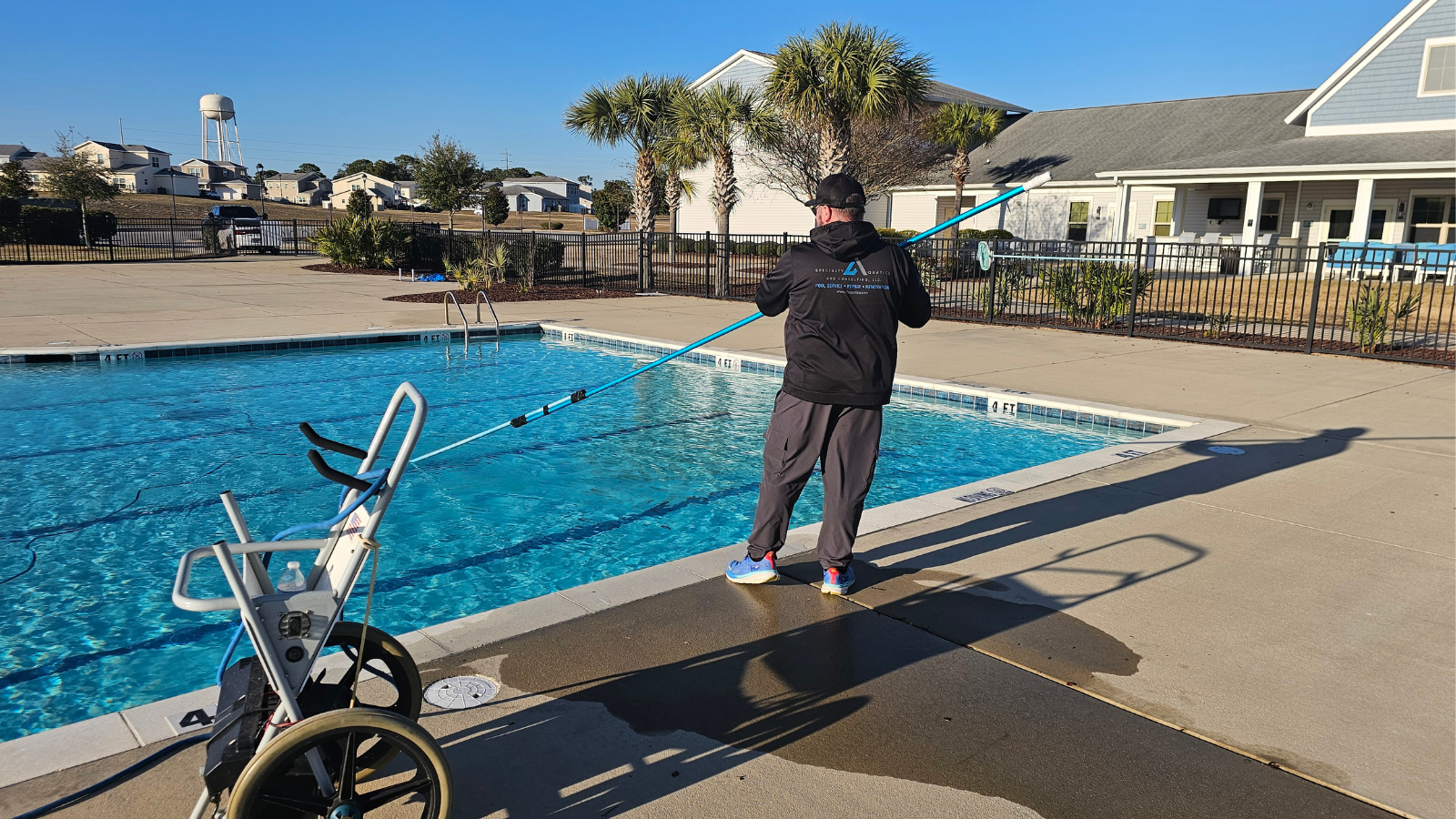
- Weekly Tasks: Weekly maintenance should involve vacuuming the pool, skimming debris from the surface, checking and cleaning filters, and adjusting chemical levels as needed.
- Monthly Activities: Performing more in-depth inspections monthly, such as checking pool equipment for any signs of wear and tear, ensures that problems are identified early, preventing emergencies in the future.
Documenting these activities not only helps maintain service logs but also ensures compliance with safety standards.
Professional Cleaning Techniques
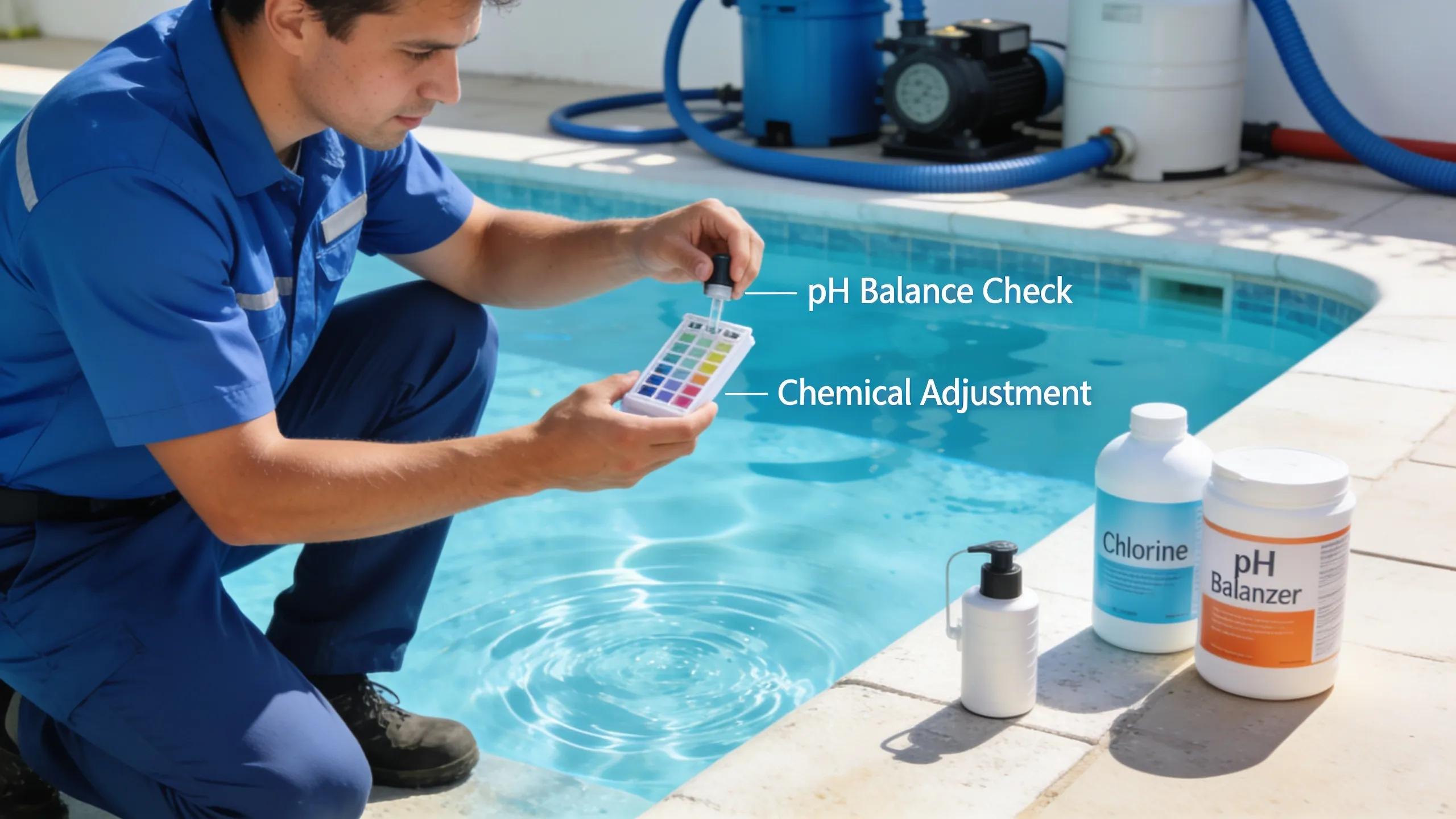
Professional cleaning techniques are employed in commercial pool maintenance to maintain water quality and aesthetics. These techniques can include:
- Deep Cleaning: Utilizing specialized equipment facilitates thorough cleaning, targeting areas that can harbor contaminants, such as tile and grout.
- Chemical Balancing: Professionals ensure the right balance of chemicals to prevent algae growth and maintain clear water. This step is crucial in adhering to health regulations concerning water safety.
- Preventive Measures: Implementing preventive strategies, such as regular use of algaecides or clarifiers, can help minimize staining and scaling on surfaces, preserving the pool’s appearance and function.
By employing these professional cleaning methods, pool operators can maintain a higher standard of cleanliness and safety.
Repair Services
Understanding repair services is vital for any commercial pool operator. Common areas that require attention include:
- Pump Maintenance: Regular inspections and servicing of pumps keep the water circulating and prevent stagnation, which can lead to contamination.
- Filter Replacement: Filters must be checked periodically for clogs and replaced when necessary to ensure optimal water clarity and chemical function.
- Temporary Repairs: Quick solutions can be implemented for minor leaks or issues until comprehensive repairs can be conducted.
Being proactive about repairs can minimize the potential for emergencies and ensure smooth ongoing operations.
Seasonal Maintenance Practices
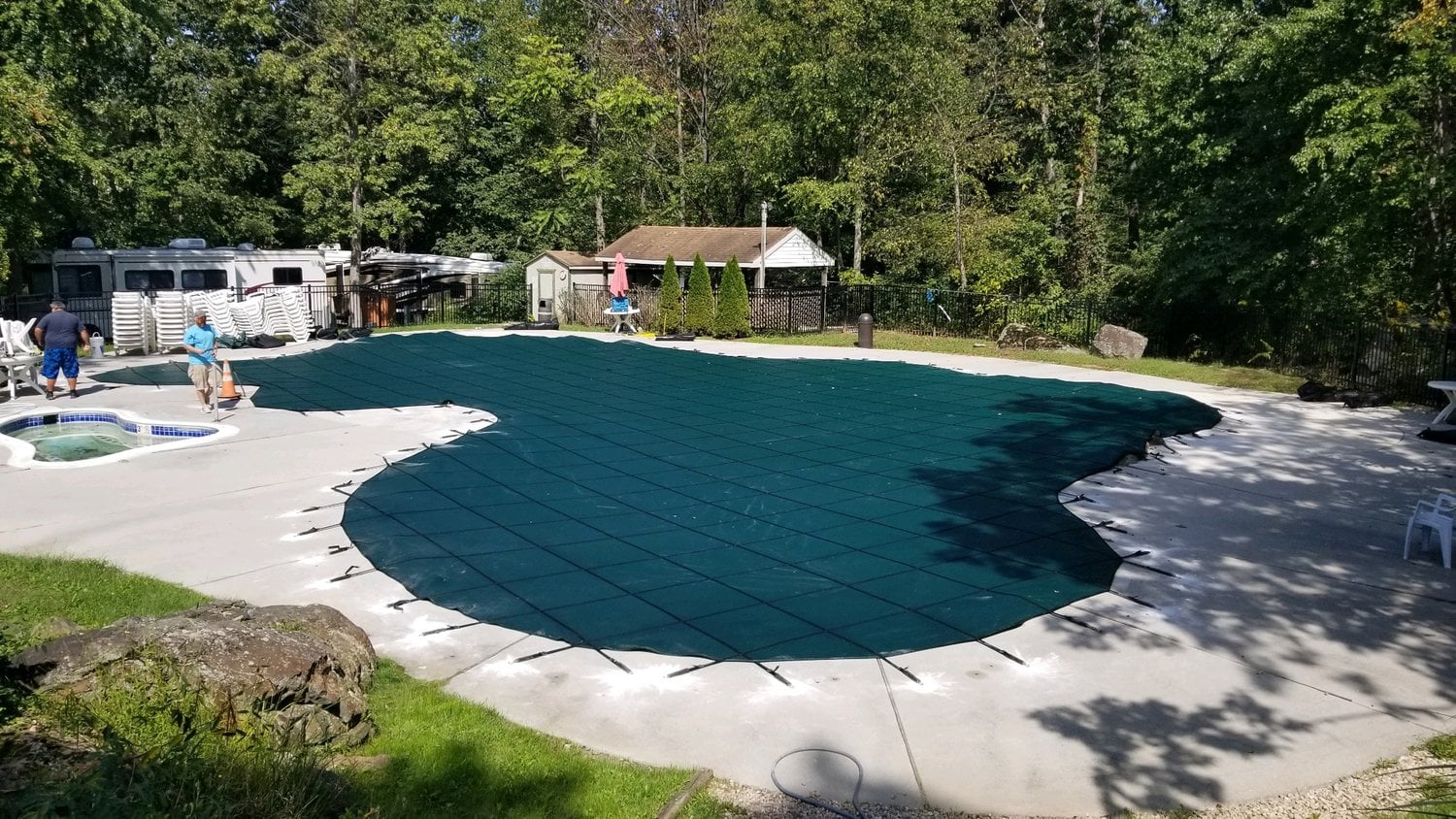
Seasonal maintenance is essential, particularly in climates with fluctuating conditions like Atlanta. The following tasks are crucial:
- Winterization: Preparing the pool for colder months includes draining water to prevent freezing, adding antifreeze to equipment, and covering the pool to prevent debris accumulation.
- Spring Startup: Upon reopening, pools should undergo thorough inspections and cleaning. This ensures that all systems are functioning correctly and the water is safe for patrons.
- Chemical Adjustments: Balancing water chemistry is particularly important during seasonal transitions to prevent issues related to temperature changes and algae growth.
Planning for these seasonal needs helps ensure that the pool is ready for safe use throughout the year.
Adherence to Safety Standards
Adherence to safety standards is a non-negotiable aspect of commercial pool operations. Compliance protects both businesses and users by adhering to regulations such as the Virginia Graeme Baker (VGB) Act. Key points include:
- Regular Staff Training: Ensuring that all staff members are trained in safety protocols greatly reduces the risk of accidents and increases overall safety awareness.
- Documentation Requirements: Keeping accurate records of maintenance activities, safety checks, and staff training is vital for compliance and business liability coverage.
- Inspection Schedules: Regular inspections help identify safety hazards before they become serious problems, maintaining a secure environment for all pool users.
By understanding and implementing safety measures, pool operators can foster a secure swimming experience.
Compliance and Documentation
Maintaining compliance through proper documentation is an essential element of pool maintenance. Proper records serve several purposes:
- Health Regulation Compliance: Detailed logs are often required to demonstrate adherence to local health codes and can be requested during inspections.
- Evidence of Maintenance: Consistent documentation provides evidence that regular maintenance and safety checks are being performed, which is beneficial in litigation cases or disputes.
- Operational Readiness: Keeping meticulous records ensures that all aspects of pool operations are ready for any unforeseen occurrences, allowing businesses to respond effectively.
Documenting compliance and safety standards is essential for successful pool management and risk mitigation.
What Services Does Commercial Pool Cleaning in Atlanta Include?
Commercial pool cleaning services include a wide range of activities designed to maintain cleanliness, safety, and regulatory compliance in pool environments. Key services include:
- Routine Cleaning: Daily and weekly cleaning tasks, such as skimming, vacuuming, and chemical balancing.
- Heavy-Duty Maintenance: Scheduled deep cleaning and equipment inspections to ensure functionality and safety.
- Chemical Treatments: Regular chemical balancing services to maintain water quality and safety, crucial for public health compliance.
By offering these comprehensive services, pool maintenance companies help ensure that pools operate optimally and safely.
Understanding the specific regulations set forth by public health authorities is critical for any commercial pool operator to ensure legal compliance and patron safety.
Georgia Public Health Regulations for Swimming Pools
Background:The Georgia Department of Public Health (DPH) is mandated to ensure that public swimming pools are safe for those who use them. This mandate is carried out by the DPH and local environmental health professionals through regulations and inspections. In 2015, legislation was introduced proposing to reduce the authority of the DPH to inspect certain pool types (apartments, subdivision, condominiums) and thus reduce regulatory protections in place for swimmers. To ensure that the DPH had current information on the risks associated with pools, the EH team, with assistance from a graduate student, analyzed inspection data to evaluate risk factors associated with these pool types and summarized drownings and waterborne disease outbreaks (WBDOs). An assessment of data related to inspections of risk factors for public swimming pools, 2016
Which Cleaning Processes Ensure Safe Commercial Pools?
Ensuring the safety of commercial pools involves systematic use of various cleaning processes. These processes include:
- Routine Maintenance Practices: Daily inspections and cleaning to prevent the buildup of contaminants.
- Water Treatment: Implementing effective chemical treatments that adhere to health standards, ensuring the water is safe for swimming.
- Compliance Measures: Maintaining records of cleaning practices to demonstrate adherence to local regulations and safety standards.
These processes work together to create a safe swimming environment for users.
How Do Professional Pool Cleaning Services Address Equipment Maintenance?
Professional pool cleaning services address equipment maintenance through a structured approach that includes:
- Routine Inspections: Conducting regular checks on pool equipment to identify maintenance needs.
- Preventive Repairs: Carrying out minor repairs before they escalate into major issues, significantly reducing downtime.
- Service Documentation: Maintaining detailed records of equipment maintenance enhances safety compliance and operational efficiency.
These practices contribute to the long-term viability of the pool facility and protect investments.
How Much Does Commercial Pool Maintenance Cost in Atlanta?
When considering the costs associated with commercial pool maintenance in Atlanta, several factors influence pricing, including:
- Service Type: Routine maintenance versus emergency repairs can vary significantly in cost.
- Frequency: Regularly scheduled maintenance can be more cost-effective than ad hoc cleaning and repairs.
- Pool Size: Larger pools generally require more resources and time, affecting overall costs.
Understanding these factors helps pool operators budget effectively while maintaining high service standards.
What Factors Influence Pool Maintenance Pricing in Atlanta?
Several factors influence the overall cost of pool maintenance services, including:
- Service Frequency: More frequent cleaning or inspections can result in lower costs over time due to preventative care.
- Pool Size: Larger pools typically require more extensive maintenance and resources, impacting pricing.
- Market Conditions: Local market rates and availability of services can also influence pricing structures.
Recognizing these elements can aid in making informed decisions about service agreements.
Are There Seasonal Pricing Differences for Commercial Pool Services?
Yes, seasonal pricing differences can significantly affect commercial pool service costs. Common considerations include:
- Seasonal Demand: Higher demand during warmer months can drive prices up for pool cleaning and maintenance services.
- Special Offers: Some providers may offer seasonal promotions or package deals to attract clients during lower-demand periods.
- Weather Impact: Adverse weather conditions can necessitate additional services, thereby influencing overall costs.
Understanding these dynamics can help in planning for annual budgets and managing cash flow effectively.
Which Seasonal Pool Services in Atlanta Are Essential for Commercial Pools?
Seasonal pool services are essential for maintaining optimal conditions throughout the year. Key services include:
- Winterization Procedures: Essential for protecting pool systems during freezing temperatures.
- Startup Inspections: Important to ensure that the pool is ready for use as temperatures rise.
- Chemical Preparations: Balancing chemicals during transitions helps maintain water clarity and prevents algae growth.
Implementing these practices ensures the pool remains safe and appealing year-round.
What Is Included in a Seasonal Pool Maintenance Checklist?
A comprehensive seasonal pool maintenance checklist typically includes the following items:
- Inspections: Thorough evaluation of pool equipment and structures.
- Chemical Testing: Testing and balancing chemical levels for water safety.
- Equipment Operations: Ensuring that all systems are functioning properly, including pumps and filters.
Maintaining this checklist not only aids in compliance but also supports efficient management practices.
How Do Seasonal Services Protect Pool Equipment and Water Quality?
Implementing seasonal services protects pool equipment and water quality in multiple ways:
- Routine Checks: Regular inspections identify potential issues before they escalate.
- Water Treatment: Seasonal chemical adjustments promote safe swimming conditions.
- Preventative Maintenance: Addressing equipment issues early prevents costly repairs and downtimes.
These seasonal practices play a crucial role in sustaining the health and longevity of pool facilities.
When Should Commercial Pools in Atlanta Schedule Repair and Equipment Upkeep?
Scheduling repair and equipment upkeep is vital for ensuring the seamless operation of commercial pools. Recommended timelines include:
- Routine Maintenance: Maintenance inspections should occur regularly to catch potential issues early.
- Immediate Attention: Signs suchs as equipment malfunctions or unexpected water quality changes should trigger immediate repair procedures.
- Seasonal Evaluations: Planning comprehensive checks ahead of seasonal changes can preemptively address maintenance needs.
Adhering to these schedules supports efficient and safe operations.
What Common Pool Equipment Repairs Are Needed in Commercial Maintenance?
Common repairs in commercial pool maintenance often include:
- Pump Replacements: Pump wear and tear necessitate regular checks and replacements.
- Filter Servicing: Filters often require cleaning or replacement to maintain optimal water quality.
- Heater Repairs: Ensuring heaters work effectively is crucial, especially for indoor or year-round pools.
Being aware of common repair needs allows pool operators to plan maintenance budgets effectively.
How Can Regular Equipment Upkeep Prevent Emergency Pool Repairs?
Regular equipment upkeep is critical for minimizing emergency repairs and ensuring a safe environment. Key strategies include:
- Routine Inspections: Conducting regular equipment inspections can prevent small issues from becoming larger emergencies.
- Preventive Maintenance: Implementing preventative measures, including timely servicing and replacement of parts, reduces the likelihood of critical failures.
- Documentation: Maintaining clear records of maintenance activities supports proactive care of equipment.
This proactive strategy is essential for maintaining operational efficiency and safety at commercial pools.
How Is Water Treatment and Quality Testing Managed for Commercial Pools in Atlanta?
Water treatment and quality testing for commercial pools involve several critical processes:
- Regular Testing: Pool water is tested frequently to ensure compliance with local health regulations.
- Chemical Management: Proper chemical management practices maintain safe water conditions for users.
- Documentation: Keeping thorough records of all water quality tests helps demonstrate compliance and aids in maintenance assessments.
These processes are integral to preventing health hazards related to pool usage.
What Are the Latest Water Quality Standards for Atlanta Commercial Pools?
Understanding current water quality standards is vital for successful pool operations in Atlanta. These standards include:
- Local Regulations: Compliance with local health codes is crucial to avoid fines and operational disruptions.
- Inspection Protocols: Regular inspections ensure adherence to established water quality benchmarks.
- Safety Procedures: Implementing established safety protocols protects patrons and reinforces public trust in swimming facilities.
Keeping current with water quality standards is essential for operational success.
How Do Chemical Treatments Maintain Safe Pool Water Conditions?
Chemical treatments are fundamental in ensuring safe pool water conditions. Key points include:
- Balancing Chemicals: Regular testing and adjustment of chemical levels maintain water clarity and prevent unhealthy growths.
- Safety Measures: Implementing stringent safety measures for chemical management prevents accidents and ensures user safety.
- Documentation: Keeping detailed records of chemical treatments assists in compliance and operational efficiency.
Effective chemical management is vital to the health and safety of pool users.
How Can Pool Operators Maximize Energy Efficiency During Commercial Pool Maintenance?
Maximizing energy efficiency during commercial pool maintenance not only reduces operational costs but also supports environmental sustainability. Key strategies include:
- Using Energy-Efficient Equipment: Installing high-efficiency pumps, heaters, and lighting reduces energy consumption significantly.
- Optimizing PumpRun Times: Running pumps during off-peak hours and at optimal speeds prevents unnecessary energy use.
- Regular Equipment Maintenance: Keeping equipment well-maintained ensures it operates at peak efficiency, reducing wasted energy.
Incorporating these energy-saving measures during maintenance activities can lead to long-term cost savings and a smaller environmental footprint for commercial pools.
Why Choose Specialty Aquatics and Consulting for Commercial Pool Maintenance Services in Atlanta?
Choosing Specialty Aquatics and Consulting for commercial pool maintenance means opting for proven expertise and commitment to quality service. The company provides:
- Comprehensive Service Offerings: Specialty Aquatics and Consulting covers all aspects of pool maintenance, ensuring your facility runs smoothly.
- Focus on Safety and Compliance: Their emphasis on adherence to safety protocols protects both businesses and patrons.
- Expertise in Local Regulations: Understanding Atlanta’s specific regulations ensures every operation meets local health codes.
Specialty Aquatics and Consulting is a trustworthy partner for maintaining a safe and inviting pool environment. Learn more about Specialty Aquatics and their dedication to excellence.
What Expertise and Reliability Does Specialty Aquatics and Consulting Offer for Commercial Pools?
Specialty Aquatics and Consulting prides itself on delivering reliability and expertise in commercial pool services. Key attributes include:
- Certified Staff: All staff undergo stringent training to ensure the highest operational standards.
- Partnership Approach: Specialty Aquatics and Consulting emphasizes building strong relationships with clients to meet their specific needs.
- Industry Recognition: Their reputation within the industry reflects their commitment to quality service.
This expertise ensures that clients receive unparalleled support for their commercial pool needs.
How Does Specialty Aquatics and Consulting’s Seasonal Programs Tailor Maintenance to Atlanta Pools?
Specialty Aquatics offers seasonal programs designed to address the unique challenges posed by Atlanta’s climate. These programs include:
- Customized Maintenance Plans: Tailoring services based on seasonal requirements ensures optimal pool conditions year-round.
- Feedback Integration: Incorporating client feedback helps improve service offerings continuously.
- Proactive Management: Seasonal planning allows for proactive measures to address potential maintenance issues before they arise.
This tailored approach reflects Specialty Aquatics and Consulting’s commitment to providing excellent service tailored to client needs and reflects their commitment to client satisfaction.