Essential Water Safety Tips and Training for National Water Safety Month
By Michael Scheetz, Specialty Aquatics and Consulting, LLC
National Water Safety Month reminds us to focus on drowning prevention and safe practices. With simple safeguards, awareness, and training — like lifeguard and CPR certification — communities can reduce risk and keep aquatic spaces safer.
Effective prevention combines environmental, behavioral, and community measures.
Global Drowning Prevention Strategies & Interventions
Around the world, drowning ranks among the top ten causes of death for children. Young children, especially those <5 years, are at higher risk, and young people are overrepresented in drowning statistics. Research shows an overreliance on education alone — but the strongest results come from multi-strategy programs that combine environmental, behavioral, and community approaches. Effective interventions are guided by theory, use clear planning and evaluation frameworks, and are robust in design, delivery, and assessment. That kind of evidence helps shape better practice and policy for preventing drowning.
A review of drowning prevention interventions for children and young people in high, low and middle income countries, JE Leavy, 2016
Improved patron safety: Presence reduces risky behavior and provides aid.
Community trust: Certified staff increase public confidence.
Studies show certification reduces drownings.
Field reports confirm positive effects.
Lifeguard Training & Drowning Prevention Impact
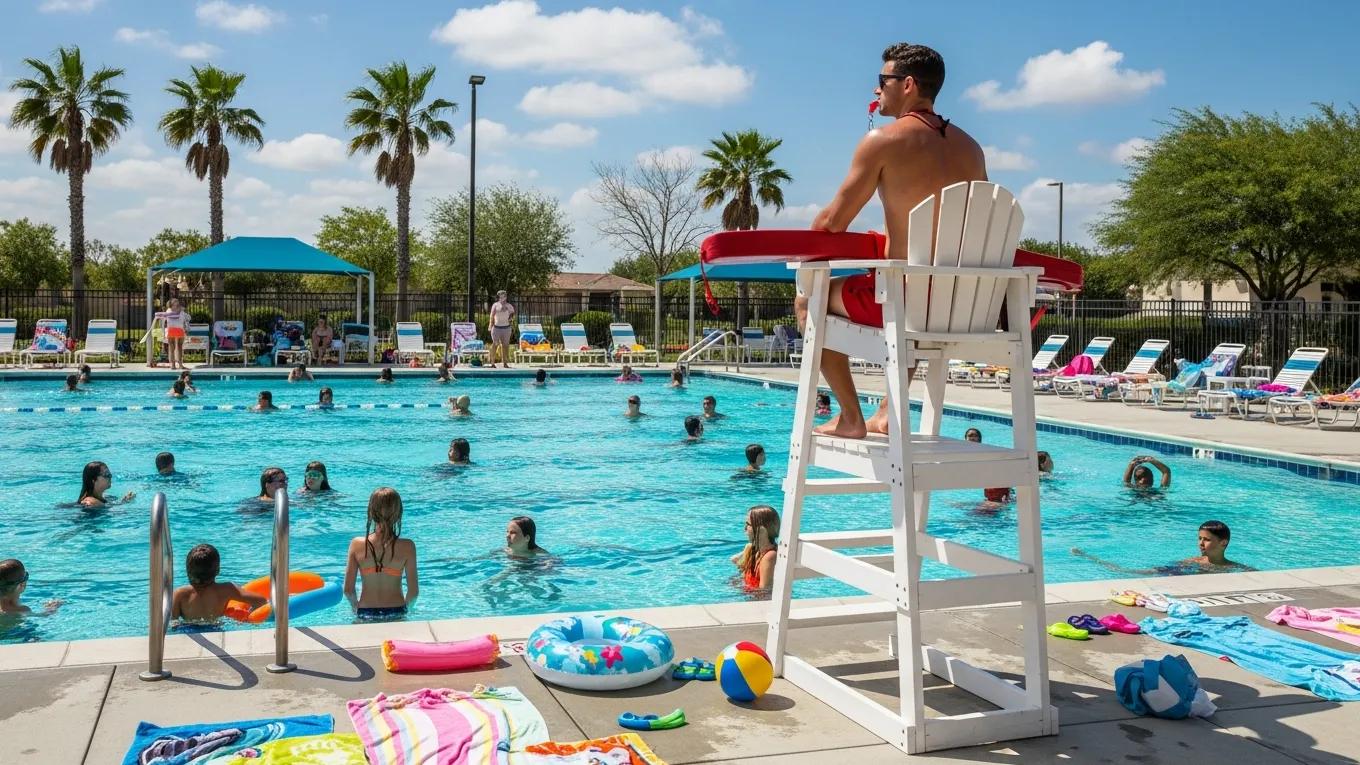
Studies report that lifeguards have a measurable, positive impact on drowning prevention. Local employers and organizations continue to invest in lifeguard training to document and demonstrate this effect in real-world settings.
Lifeguard effectiveness: A report of the working group, 2001
Why Is CPR Certification Crucial During National Water Safety Month?
It readies people to act after rescues and in other emergencies.
It supports drowning response: Prepares rescuers to provide immediate care.
Skills transfer across emergencies: Useful for cardiac and non-water emergencies.
It raises preparedness: Wider certification increases community readiness.
Promotion builds community resilience.
What Steps Are Involved in CPR Training and Certification?
Courses cover core skills, hands-on practice, and certification.
Hands-on methods: Simulations and supervised practice.
Certification: A certificate validates skills after assessment.
They prepare individuals to act confidently.
How Does CPR Training Improve Emergency Response in Aquatic Settings?
It provides scenario-based instruction, regular practice, and drills.
Comprehensive instruction: Covers lifeguard and bystander scenarios.
Ongoing practice: Refreshers maintain readiness.
Emergency drills: Simulations improve team performance.
This training is vital for lifeguards.
Lifeguard CPR Training for Aquatic Rescues
After performing an aquatic rescue, a rescuer may need to provide CPR while fatigued. Training lifeguards to manage rescues and then perform CPR under those conditions is therefore essential to ensure effective care.
Physiological analysis of an aquatic rescue: How a rescuer faces a CPR?, C Abelairas-Gomez, 2012
Which Drowning Prevention Techniques Are Most Effective?
Environmental controls, behavior change, and community programs are most effective.
Environmental controls: Fences, pool covers, and barriers.
Behavioral interventions: Education, supervision, and rules.
Community programs: Local lessons, outreach, and resources.
Multiple layers give strongest protection.
What Environmental and Behavioral Strategies Reduce Drowning Risks?
Maintain facilities, educate guests, and post clear signs.
Routine maintenance: Keep equipment and facilities in working order.
Guest education: Explain rules, risks, and emergency steps.
Clear signage: Use visible warnings and instructions.
These measures reduce accidents across sites.
How Can Aquatic Facility Safety Best Practices Support Prevention?
Qualified staff, practiced plans, and drills support prevention.
Qualified lifeguards: Staff certified personnel for oversight.
Emergency action plans: Documented, practiced procedures for incidents.
Regular safety drills: Routine drills preserve skills and reveal gaps.
They strengthen readiness and daily operations.
For details about our courses and programs, visit our Services Offered page.
Frequently Asked Questions
What are the signs of drowning that bystanders should look for?
Watch for quiet signs: head low, mouth at water level, little forward motion, or inability to call for help. Act immediately if someone struggles.
How can parents ensure their children are safe around water?
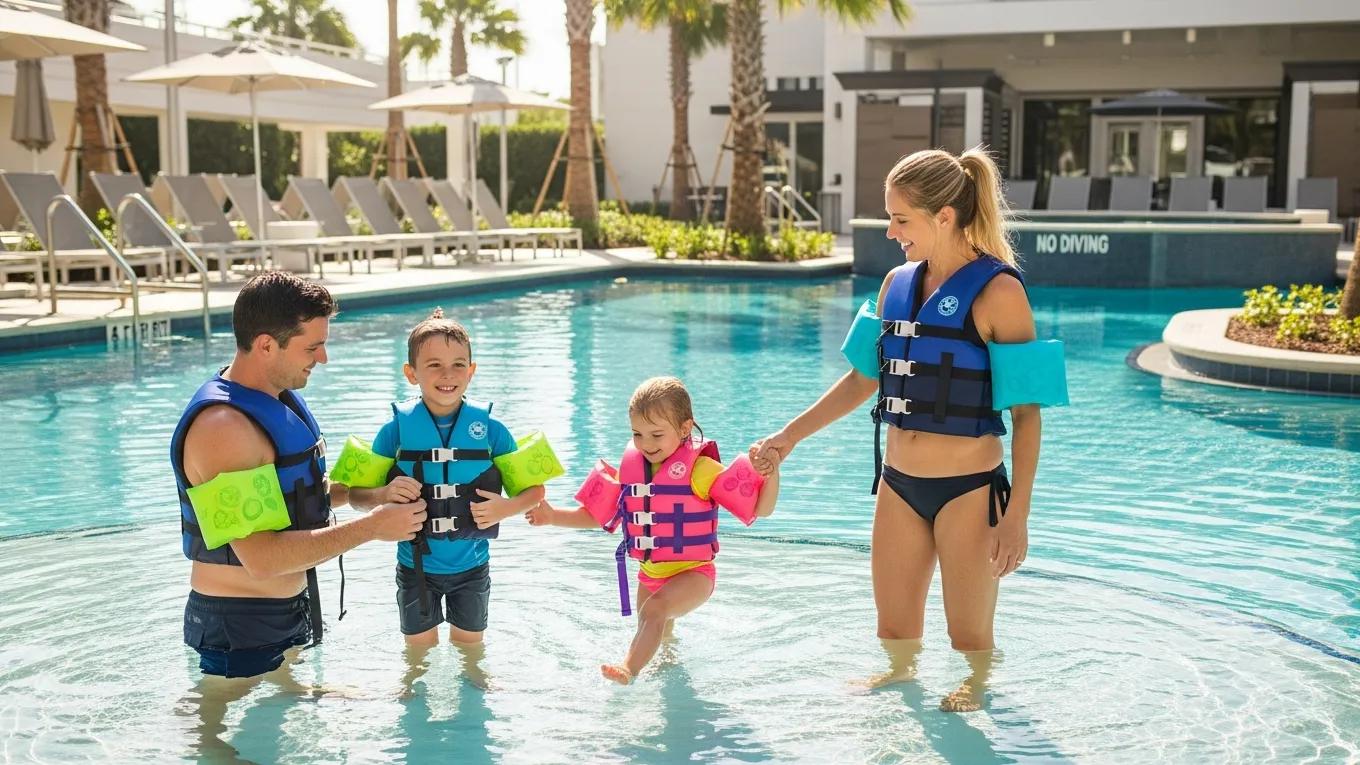
Stay within arm’s reach of young children, avoid distractions, use fitted life jackets for non-swimmers, and enroll in lessons.
What should be included in an emergency action plan for aquatic facilities?
Include roles, communication, evacuation routes, emergency contacts, and regular training and drills. Keep the plan accessible and updated.
What role do community programs play in drowning prevention?
Programs expand access to lessons, provide resources, and shift norms about supervision. They mobilize volunteers and funding for prevention.
How can technology enhance water safety measures?
Technology aids monitoring (cameras/AI), wearables for alerts, and apps for water conditions — all complement human oversight.
What are the benefits of regular water quality testing?
Regular testing finds contaminants and chemical imbalances, preventing illness and protecting swimmer health.
How can individuals promote water safety in their communities?
Organize events, share safety info, donate or volunteer, and advocate for training and equipment to strengthen community safety.