
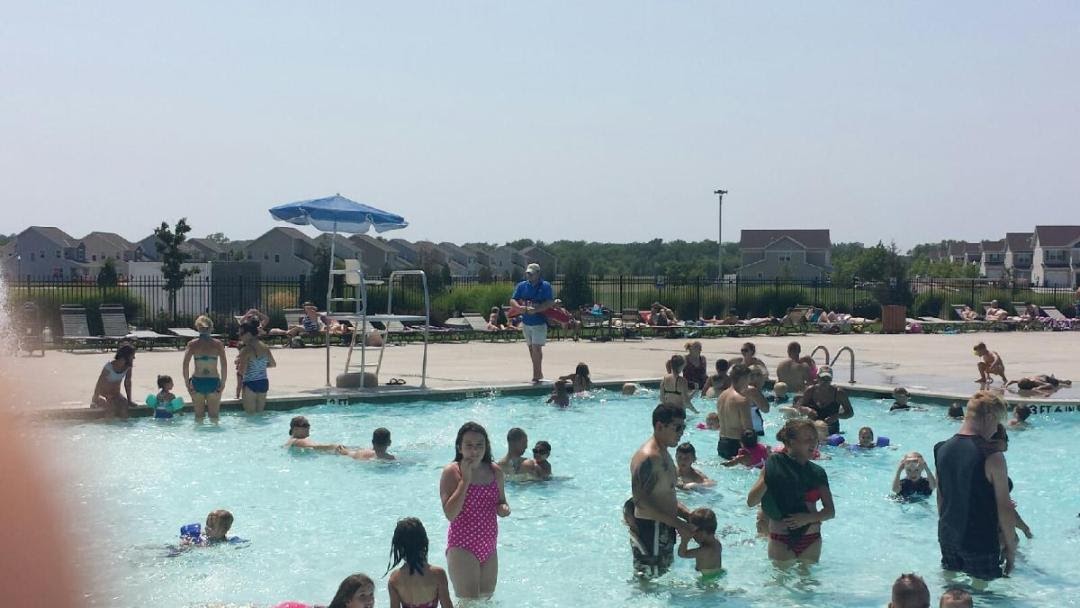
HOA Pool Management: Practical Guide to Maintenance, Safety & Compliance
Running a community pool needs clear systems for upkeep, safety, and local compliance. This guide summarizes practical maintenance steps, a compact checklist, regulatory items, management tips, and safety measures HOAs can apply to keep pools safe and usable for residents.
Best Practices for Pool Maintenance
Proactive, regular maintenance preserves water quality and reduces incidents. Focus on inspections, staff readiness, and a preventive service schedule.
- Regular Safety Inspections: Walk through facilities on a schedule to catch hazards and verify code compliance.
- Staff Training on Safety Protocols: Train staff in emergency steps and routine checks so they can respond confidently.
- Preventative Maintenance Plans: Maintain a documented schedule for filters, pumps, and key equipment to avoid downtime.
For more on our safety-first approach, see N2 Aquatics.
Recommended Maintenance Checklist
Use a short, consistent checklist broken into daily, weekly, and monthly items so nothing is missed.
- Daily: Check water level, basic chemical balance, and remove debris.
- Weekly: Vacuum, brush walls, and inspect filtration and circulation.
- Monthly: Perform equipment checks, full chemistry tests, and service mechanical systems as needed.
A simple checklist keeps operations reliable and resident-ready.
Regulatory Considerations
Stay current with local rules for fencing, staffing, accessibility, and water quality to reduce liability and ensure safe use.
- Fencing Requirements: Meet local barrier standards to prevent unauthorized access.
- Lifeguard Standards: Follow jurisdiction rules on when lifeguards or attendants are required.
- ADA Compliance: Provide required accessible entries and exits to serve all residents safely.
Regularly review local codes and health department guidance to avoid penalties and improve safety.
Effective Management Strategies
Good planning, realistic budgeting, and the right expertise keep pools operating smoothly.
- Budgeting for Maintenance: Plan for routine and unexpected repairs in your operating budget.
- Outsourcing to Professional Services: Consider contractors for consistent care and technical tasks.
- Establishing Emergency Action Plans: Publish and communicate clear emergency steps for staff and residents.
These measures improve efficiency and resident confidence in pool amenities.
Enhancing Safety and Reducing Liability
Combine training, consistent reporting, and health practices to lower risk and incident costs.
- Regular Training and Drills: Keep skills current with scheduled refreshers and drills.
- Incident Reporting Procedures: Document incidents clearly to identify trends and adjust prevention.
- Compliance with Health Regulations: Maintain routine testing and sanitation to meet public health standards.
Focus on these basics to build a resilient pool program.
Understanding Safety Compliance and Lifeguard Staffing Requirements
Staffing needs depend on pool size and activity. Review local rules and set staffing to match your pool’s risk profile.
- Regulatory Compliance: Check local codes and health guidance for mandatory staffing and safety duties.
- Lifeguard Staffing Requirements: Follow jurisdictional ratios and requirements during open hours.
- Training and Certification: Ensure lifeguards maintain current certifications and regular refreshers.
Targeted recruitment and retention tactics—competitive pay, scheduling flexibility, and training—help address shortages.
HOA Pool Lifeguard Recruitment & Retention Strategies
Lifeguards are the first line of defense at community pools—protecting swimmers and responding to emergencies. Many organizations are facing lifeguard shortages, so a focused recruitment and retention plan is essential. This resource outlines practical steps HOAs can take to recruit qualified candidates and keep them on staff.
Who Is Responsible for Enforcing HOA Pool Policies and Liability?
Clear role definitions make enforcement fair and consistent; responsibility is commonly shared across several parties.
- Role of Property Managers: Oversee day-to-day operations, contractors, and routine rule enforcement.
- HOA Board Responsibilities: Set policy, approve budgets, and communicate expectations to members.
- Staff Training for Enforcement: Train staff to communicate rules, handle violations professionally, and document incidents.
Defined roles make enforcement more effective and defensible.
How Do Emergency Procedures Enhance HOA Pool Safety for Residents?
Clear emergency procedures speed response, reduce confusion, and improve outcomes—building trust with residents.
- Emergency Action Plans: Provide written plans for medical events, weather, and other incidents.
- Training Requirements: Ensure staff competency through regular training.
- Communication Strategies: Use staff radios, signage, and notifications to keep people informed.
Preparedness demonstrates the HOA’s commitment to resident safety.
What Are the Essential Steps in Emergency Response Planning?
Address roles, communications, practice, and continuous improvement when building a plan.
- Define Roles and Responsibilities: Assign clear duties so staff know exactly what to do.
- Establish Communication Protocols: Use redundant methods to contact emergency services and residents.
- Regular Training and Drills: Run realistic exercises and revise plans based on lessons learned.
A concise plan with regular practice improves response times and outcomes.
Training Staff and Communicating Emergency Protocols Effectively
Pair short, clear instruction with hands-on practice and straightforward communication tools so everyone understands expectations.
- Regular Training Sessions: Schedule ongoing sessions to cover procedures, equipment, and legal duties.
- Emergency Drills: Practice scenarios with staff and occasional resident volunteers.
- Clear Communication Channels: Use radios, posted plans, and digital alerts for fast coordination.
Consistent training reduces errors and increases confidence during real events.
Which Technology Tools Improve HOA Pool Chemical Management and Monitoring?
Use automation and sensors to monitor chemistry and equipment and to alert staff when action is needed.
- Automated Chemical Monitoring: Continuous monitoring catches deviations early.
- Smart Automation Systems: Automated dosing keeps chemistry steady and reduces manual errors.
- Alert Systems for Staff: Notify staff immediately of imbalances or faults for quick correction.
These tools help maintain water quality and free staff for other tasks.
How Do Automated Chemical Dosing Systems Improve Water Quality?
Automated dosing delivers consistent chemistry with less manual work, improving clarity and operational efficiency. To learn more about our services offered, visit our website.
- Precision in Chemical Management: Measured dosing keeps levels within target ranges.
- Reduced Chemical Usage: Accurate dosing reduces waste and can lower costs.
- Improved Water Clarity: Stable chemistry preserves clear, inviting water.
Automated systems simplify daily operations while protecting water quality.
What Digital Solutions Support Remote Pool Maintenance Oversight?
Remote sensors and cloud tools let managers monitor performance, review logs, and respond faster—even off site.
- Automated Monitoring Systems: Real-time sensors report temperature, chemistry, and equipment status.
- Remote Performance Tracking: Dashboards summarize logs, inspections, and maintenance history.
- 24/7 Monitoring Capabilities: Continuous data identifies trends and alerts staff before issues escalate.
Digital solutions improve transparency and operational control. See our project portfolio for examples.
If you have questions or want to discuss pool management options for your community, please contact us.
Frequently Asked Questions
What are the benefits of automated chemical monitoring systems for community pools?
They provide continuous oversight of sanitizer and pH, reduce dosing errors and chemical waste, keep water clearer, and free staff from constant manual testing.
How can HOAs effectively recruit and retain lifeguards?
Offer competitive pay, flexible schedules, clear training and career paths, and partner with local swim programs to build a reliable candidate pipeline.
What role does community engagement play in pool safety?
Engagement raises awareness, improves compliance, and encourages residents to report concerns; host workshops and community swim days to build buy-in.
How can HOAs ensure compliance with health regulations for pool sanitation?
Set testing schedules, keep accurate logs, use validated testing methods, and work with qualified vendors for periodic inspections and audits.
What are best practices for conducting emergency drills at community pools?
Run varied drills regularly, include all staff, debrief to capture lessons, and sometimes involve residents for realism.
How can technology improve communication during pool emergencies?
Use staff radios, mobile alerts, public address systems, and prebuilt messaging templates to deliver clear instructions quickly and reduce confusion.