
Pre-Season Pool Safety Inspection Checklist: Why Every Pool Owner Needs a Comprehensive Inspection Before Opening
As the warm weather approaches, pool owners are eager to dive into the swimming season. However, ensuring a safe and enjoyable experience begins long before the first splash. A pre-season pool safety inspection is essential for identifying potential hazards and ensuring compliance with safety regulations. This comprehensive guide will explore the importance of these inspections, what they entail, and how they can prevent accidents and liabilities. By understanding the critical components of a pre-season pool safety inspection, pool owners can take proactive steps to protect their families and guests.
In this article, we will cover the following key sections: the pre-season pool safety inspection checklist, the importance of these inspections, what is included in a safety inspection, how to identify common hazards, essential equipment checks, and tips for effective pool maintenance. Additionally, we will discuss the benefits of scheduling a pre-season inspection and how to prepare your pool for a professional safety inspection.
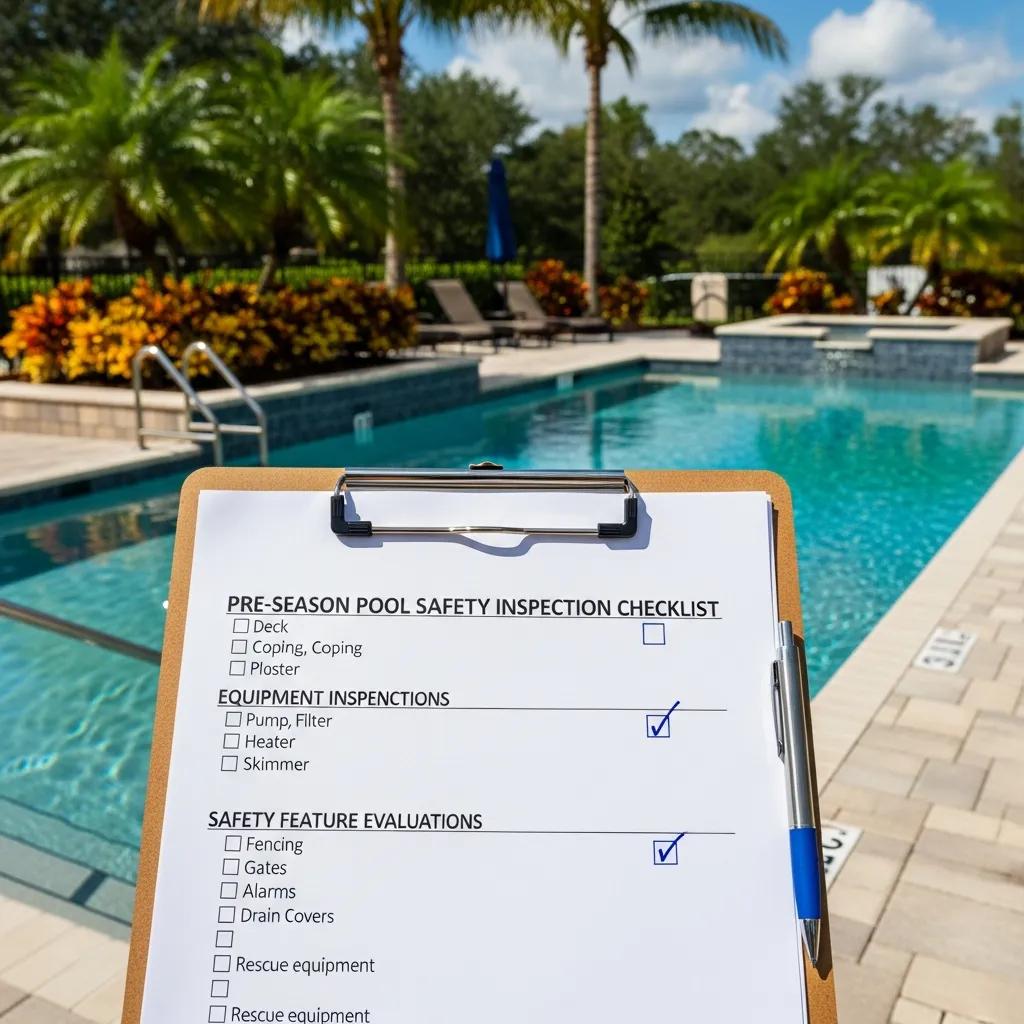
Pre-Season Pool Safety Inspection Checklist
A thorough pre-season pool safety inspection checklist is vital for ensuring that your pool is safe and ready for use. This checklist typically includes the following key components:
- Visual Inspection of Pool Area: Check for any debris, cracks, or damage around the pool area that could pose safety risks.
- Safety Equipment Check: Ensure that all safety equipment, such as life rings and first aid kits, is in good condition and easily accessible.
- Water Quality Testing: Test the pool water for pH levels, chlorine concentration, and other chemical balances to ensure safe swimming conditions.
By following this checklist, pool owners can address potential issues before they become serious problems.
Importance of Pre-Season Inspections
Conducting a pre-season pool safety inspection is crucial for several reasons. First and foremost, it provides safety assurance for both pool owners and their guests. Regular inspections help identify and mitigate risks, ensuring a safe swimming environment. Additionally, these inspections may be required for regulatory compliance in some areas, helping pool owners avoid fines and legal issues.
Moreover, pre-season inspections facilitate maintenance planning. By identifying potential problems early, pool owners can schedule necessary repairs and maintenance, ultimately saving time and money in the long run.
What Is Included in a Pre-Season Pool Safety Inspection?
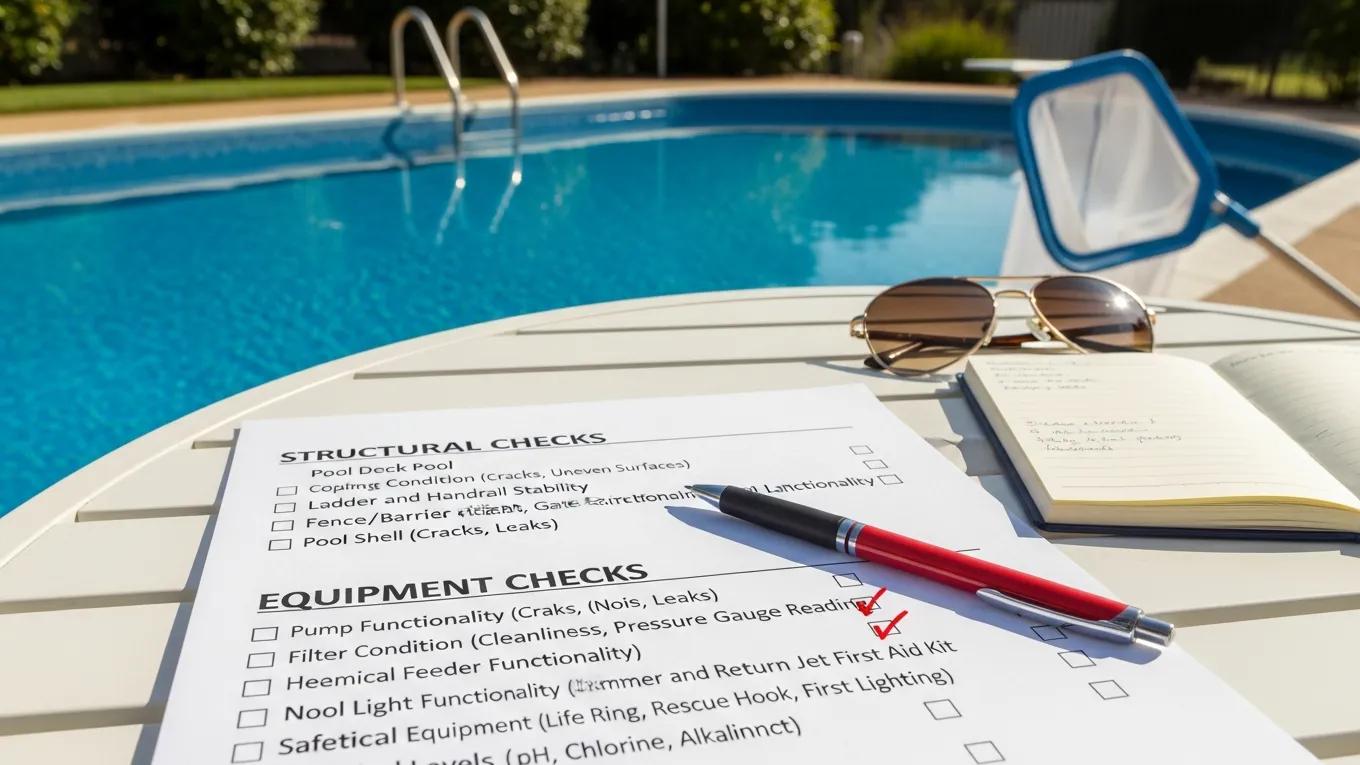
A comprehensive pre-season pool safety inspection includes several critical components designed to ensure the pool’s safety and functionality. Key elements of the inspection typically involve:
- Inspection of Safety Equipment: All safety devices, including life jackets and rescue equipment, should be checked for functionality.
- Water Quality Checks: Testing for proper chemical balance is essential to prevent health risks associated with imbalanced water.
- Emergency Procedures Review: Ensuring that all staff and family members are aware of emergency procedures can save lives in critical situations.
These components work together to create a safe swimming environment for everyone.
How Does a Pool Safety Inspection Identify Common Hazards?
Pool safety inspections are designed to identify common hazards that could lead to accidents. Inspectors look for various risks, including:
- Slip and Fall Incidents: Wet surfaces around the pool can lead to slips and falls, making it essential to check for proper drainage and non-slip surfaces.
- Drowning Risks: Inspectors assess the pool’s depth, fencing, and access points to ensure that children and pets cannot easily access the water unsupervised.
- Equipment Malfunctions: Regular inspections help identify issues with pool pumps, filters, and other equipment that could lead to dangerous situations.
By addressing these hazards, pool owners can significantly reduce the risk of accidents.
Which Pool Equipment and Water Quality Checks Are Essential?
Essential checks for pool equipment and water quality are critical for maintaining a safe swimming environment. Key checks include:
- Testing pH and Chlorine Levels: Regular testing ensures that the water is safe for swimming and free from harmful bacteria.
- Inspecting Pool Pumps and Filters: Ensuring that these components are functioning correctly prevents water quality issues and equipment failures.
- Ensuring Safety Equipment is Functional: Regularly checking the condition of safety equipment, such as life rings and first aid kits, ensures they are ready for use in emergencies.
These checks are vital for maintaining a safe and enjoyable pool experience.
How to Use a Pool Inspection Checklist for Effective Pool Maintenance Before Opening
Utilizing a pool inspection checklist can streamline the maintenance process and ensure that all necessary tasks are completed before opening the pool. Here are some guidelines for effective use:
- Preparation Steps: Gather all necessary tools and materials before starting the inspection.
- Visual Inspection: Conduct a thorough visual inspection of the pool area, checking for any visible hazards or maintenance needs.
- Documentation of Findings: Keep a record of any issues identified during the inspection to ensure they are addressed promptly.
By following these steps, pool owners can ensure that their pools are safe and ready for use.
What Are the Key Steps in a Pool Opening Checklist?
A pool opening checklist is essential for ensuring that all necessary tasks are completed before the pool is opened for the season. Key steps include:
- Visual Inspection: Check the pool area for debris, damage, and safety hazards.
- Water Quality Testing: Test the water for pH and chlorine levels to ensure it is safe for swimming.
- Safety Compliance Verification: Ensure that all safety equipment is in place and functional.
Following these steps helps ensure a safe and enjoyable swimming experience.
How Does Regular Maintenance Prevent Pool Hazards?
Regular maintenance is crucial for preventing pool hazards. By conducting routine checks and maintenance tasks, pool owners can:
- Perform Routine Checks: Regular inspections help identify potential issues before they become serious problems.
- Manage Water Quality: Consistent water quality management prevents health risks associated with imbalanced water.
- Maintain Equipment: Regular maintenance of pool equipment ensures that it functions correctly and safely.
By prioritizing regular maintenance, pool owners can significantly reduce the risk of accidents and ensure a safe swimming environment.
What Are the Most Common Pool Hazards and How to Identify Them?
Identifying common pool hazards is essential for ensuring safety. Some of the most prevalent hazards include:
- Slip and Fall Incidents: Wet surfaces can lead to slips and falls, making it crucial to maintain proper drainage and non-slip surfaces.
- Drowning Risks: Assessing fencing and access points helps prevent unauthorized access to the pool.
- Chemical Imbalances: Regular water testing is necessary to identify and correct chemical imbalances that could pose health risks.
By being aware of these hazards, pool owners can take proactive measures to enhance safety.
How to Recognize Safety Risks Related to Pool Drains and Fencing?
Safety risks associated with pool drains and fencing are critical to address. Key considerations include:
- Drain Entrapment Risks: Inspecting pool drains for proper covers and functionality can prevent entrapment incidents.
- Fencing Compliance: Ensuring that fencing meets local regulations helps prevent unauthorized access to the pool area.
- Access Control Measures: Implementing measures such as self-closing gates can enhance safety by restricting access to the pool.
This tragic case study highlights the severe and often fatal consequences of inadequate pool drain safety, underscoring the critical need for vigilant inspection and preventative measures.
Preventing Fatal Pool Drain Entrapment: A Case Study
Swimming pool suction injuries are rarely encountered in forensic medicine. Infants under 8 years of age are most frequently involved in such accidents with high risk of serious injuries and fatal consequences due to drowning. We report, for the first time, a case of a 13-year-old boy trapped at the abdomen by an uncovered suction drainage hole. External examination of the body revealed a round ecchymosis which had the same diameter as the pool drain. Post-mortem examination established that death had occurred due to drowning, possibly in combination with traumatic shock from the suction mechanism involving the intestinal loops. Furthermore, this case may be remarkable as it raises other medico-legal issues regarding the safety standards at swimming pools, including pool management and lifeguard attendance. Preventative measures are needed in order to make sure this sort of injury or death does not occur. Moreover, the awareness of the occurrence of these accidents should be increased.
Fatal entrapment in a pool drainage system: a case report, 2019
By recognizing and addressing these risks, pool owners can create a safer environment.
Why Is Chemical Balance Testing Critical for Pool Safety?
Chemical balance testing is a fundamental aspect of pool safety. Proper chemical balance is essential for several reasons:
- Health Risks from Imbalanced Chemicals: Imbalanced water can lead to skin irritations, respiratory issues, and other health problems.
- Testing Frequency: Regular testing is necessary to maintain safe water conditions, especially during peak usage times.
- Corrective Measures: Identifying and correcting chemical imbalances promptly helps ensure a safe swimming environment.
By prioritizing chemical balance testing, pool owners can protect the health and safety of swimmers.
Which Pool Safety Tips Should Every Pool Owner Follow Before Opening?
Every pool owner should follow essential safety tips to ensure a safe swimming environment. Key tips include:
- Regular Inspections: Conducting regular inspections helps identify potential hazards before they become serious issues.
- Staff Training: Ensuring that all staff members are trained in safety procedures can save lives in emergencies.
- Emergency Preparedness: Having a plan in place for emergencies, including access to first aid equipment, is crucial for safety.
By following these tips, pool owners can enhance safety for all swimmers.
What Safety Equipment Is Required for Emergency Preparedness?
Having the right safety equipment is essential for emergency preparedness. Key equipment includes:
- Life Rings: Easily accessible life rings can be critical in rescue situations.
- First Aid Kits: A well-stocked first aid kit is essential for addressing minor injuries.
- Automated External Defibrillators (AEDs): Having an AED on-site can be lifesaving in cardiac emergencies.
By ensuring that these safety equipment items are available, pool owners can enhance emergency preparedness.
How to Comply with Updated Pool Safety Regulations in 2024-2026?
Complying with updated pool safety regulations is essential for all pool owners. Key steps include:
- Understanding New Regulations: Staying informed about local regulations helps ensure compliance.
- Implementing Compliance Measures: Taking proactive steps to meet safety standards is crucial for avoiding fines and legal issues.
- Regular Updates and Training: Ensuring that staff members are trained on updated regulations helps maintain compliance.
By prioritizing compliance, pool owners can enhance safety and avoid potential legal issues.
How Does a Professional Pool Safety Inspection Ensure Regulatory Compliance?
A professional pool safety inspection is vital for ensuring regulatory compliance. Key benefits include:
- Verification of Safety Standards: Professional inspectors assess compliance with local safety regulations.
- Documentation of Compliance: Inspections provide documentation that can be essential for legal and insurance purposes.
- Risk Mitigation Strategies: Identifying and addressing potential hazards during inspections helps reduce liability risks.
By scheduling professional inspections, pool owners can ensure compliance and enhance safety.
What Are the Latest Safety Standards and Guidelines for Pools?
Staying informed about the latest safety standards and guidelines is crucial for pool owners. Key considerations include:
- Overview of Current Standards: Understanding current safety standards helps ensure compliance and safety.
- Impact on Pool Operations: New guidelines may affect how pools are operated and maintained.
- Future Trends in Pool Safety: Keeping an eye on emerging trends can help pool owners stay ahead of safety concerns.
By staying informed, pool owners can enhance safety and compliance.
How Can Inspections Help Avoid Accidents and Liability?
Regular inspections play a critical role in preventing accidents and reducing liability. Key benefits include:
- Identifying Potential Hazards: Inspections help uncover risks that may not be immediately visible.
- Documenting Safety Measures: Keeping records of inspections and safety measures can be crucial in legal situations.
- Reducing Liability Risks: By addressing hazards proactively, pool owners can significantly reduce their liability exposure.
By prioritizing inspections, pool owners can create a safer environment for everyone.
What Are the Benefits of Scheduling a Pre-Season Pool Safety Inspection?
Scheduling a pre-season pool safety inspection offers numerous benefits. Key advantages include:
- Early Hazard Identification: Identifying potential hazards before the season begins helps ensure safety.
- Cost Savings: Addressing issues early can prevent costly repairs down the line.
- Enhanced Safety: Regular inspections contribute to a safer swimming environment for all.
By scheduling inspections, pool owners can enjoy peace of mind knowing their pools are safe.
How Does Early Hazard Identification Save Costs and Lives?
Early hazard identification is crucial for both safety and cost savings. Key points include:
- Preventing Costly Repairs: Identifying issues early can prevent more extensive damage and repair costs.
- Enhancing Safety: Addressing hazards promptly helps protect swimmers from accidents.
- Actionable Steps for Pool Owners: Implementing a proactive approach to safety can save lives and reduce liability.
By prioritizing early hazard identification, pool owners can create a safer and more cost-effective swimming environment.
How to Prepare Your Pool for a Professional Safety Inspection?
Preparing your pool for a professional safety inspection involves several key steps:
- Necessary Maintenance Tasks: Complete any routine maintenance tasks before the inspection.
- Required Documentation: Gather any necessary permits and inspection records for the inspector.
- Safety Standards to Meet: Ensure that your pool meets all local safety standards before the inspection.
By preparing adequately, pool owners can facilitate a smooth inspection process.
What Documentation and Access Should Pool Owners Provide?
Providing the right documentation and access is essential for a successful inspection. Key considerations include:
- Required Permits: Ensure that all necessary permits are available for the inspector.
- Inspection Records: Keep records of previous inspections and maintenance for reference.
- Access Arrangements: Ensure that the inspector has easy access to all areas of the pool.
By providing the necessary documentation and access, pool owners can help ensure a thorough inspection.
How to Address Common Issues Before the Inspection?
Addressing common issues before the inspection can help ensure a successful outcome. Key steps include:
- Identifying Potential Problems: Conduct a preliminary inspection to identify any visible issues.
- Scheduling Repairs: Address any identified problems promptly to ensure compliance.
- Ensuring Compliance: Verify that all safety standards are met before the inspection.
By taking these steps, pool owners can enhance the likelihood of a successful inspection.
Where to Find Expert Pool Safety Inspection Services and Resources?
Finding expert pool safety inspection services is crucial for ensuring compliance and safety. Key resources include:
- Local Service Providers: Research local companies that specialize in pool safety inspections.
- Online Resources: Utilize online directories and reviews to find reputable inspection services.
- Professional Associations: Consider reaching out to professional associations for recommendations.
By leveraging these resources, pool owners can find qualified inspection services.
How to Choose a Qualified Pool Safety Inspection Provider?
Choosing a qualified pool safety inspection provider is essential for ensuring a thorough inspection. Key considerations include:
- Qualifications to Look For: Ensure that the provider has the necessary certifications and experience.
- Questions to Ask: Inquire about their inspection process and what is included in their services.
- Evaluating Service Offerings: Compare different providers to find the best fit for your needs.
By carefully selecting an inspection provider, pool owners can ensure a comprehensive safety assessment.
What Downloadable Checklists and Video Tutorials Are Available?
Utilizing downloadable checklists and video tutorials can enhance the inspection process. Key resources include:
- Downloadable Resources: Look for checklists that outline essential inspection tasks.
- Video Tutorials: Consider watching tutorials that demonstrate proper inspection techniques.
- Additional Learning Materials: Explore other educational resources to enhance your understanding of pool safety.
By utilizing these resources, pool owners can better prepare for inspections and enhance safety.