
Commercial pool maintenance for new property managers inheriting an unfamiliar pool starts with a complete facility inspection before opening. This structured approach reduces unexpected maintenance issues, supports water quality, and keeps equipment operating efficiently. Certified professionals ensure safety, cleanliness, and compliance with local regulations, protecting guests and extending the pool’s longevity throughout the season.
Key Takeaways
- Complete facility inspections before reopening reduce unexpected maintenance issues and equipment failures.
- Independent pool safety audits identify compliance risks that routine staff inspections miss.
- Factory-authorized service providers ensure genuine parts and manufacturer-standard procedures protect warranties.
- Certified Pool Operators document daily and weekly maintenance checks creating compliance audit trails.
What should I inspect first on an unfamiliar pool?
A complete facility inspection comes before any reopening decision. Property managers should examine the pool shell for cracks, damaged tile, loose coping, stains, or other signs of wear. Skipping this step risks equipment failure and safety hazards that remain hidden until a guest or resident reports them.
Commercial pool maintenance starts with a structured walk-through, not assumptions. Follow this sequence:
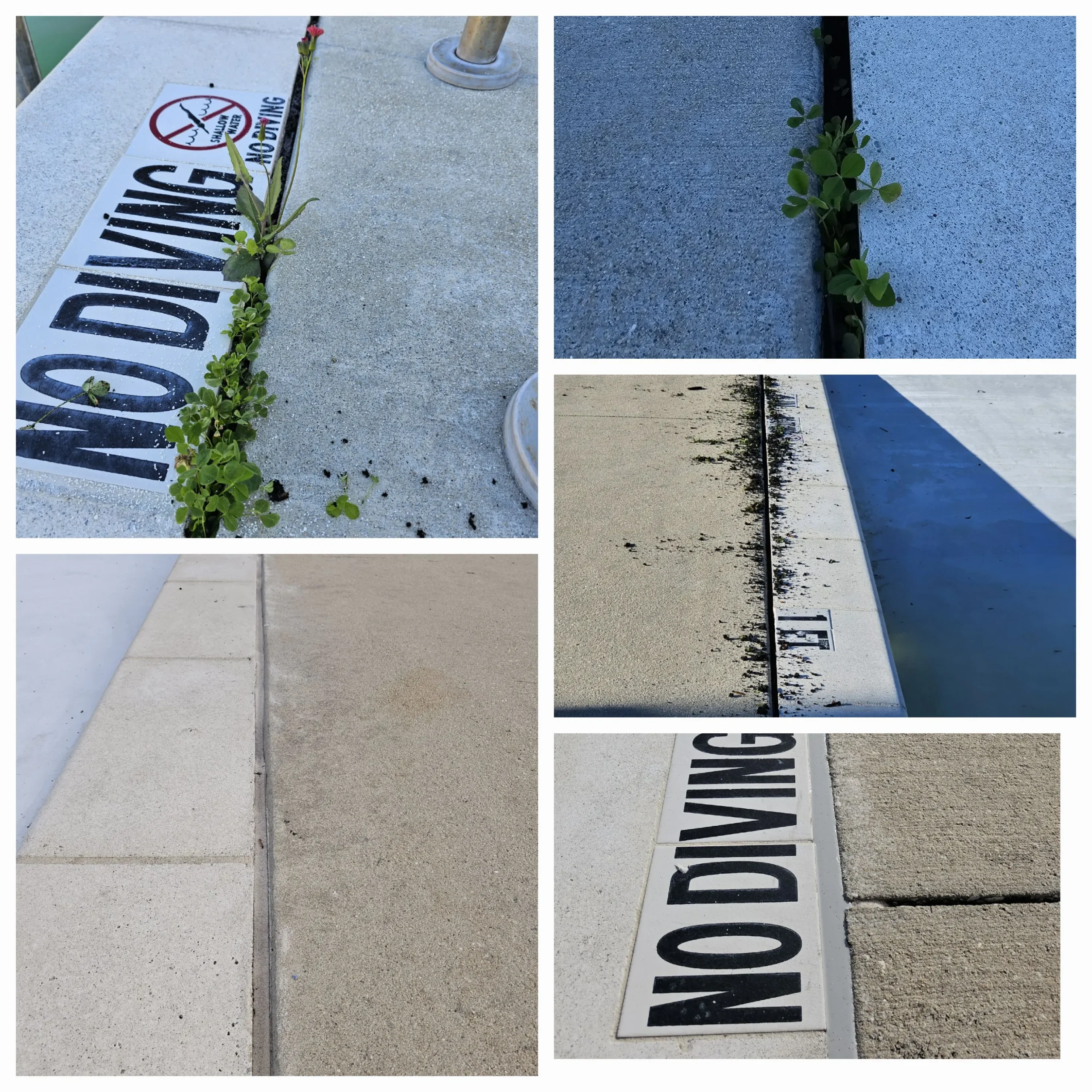
- Inspect the pool shell and surrounding deck for cracks, loose coping, and damaged tile.
- Check fencing, self-closing gates, locks, ladders, and handrails for proper function.
- Review deck surfaces, lighting, drainage systems, and safety signage for compliance gaps.
What does a third-party pool safety audit cover?
An independent pool safety audit is a thorough examination conducted by a qualified third-party auditor. The auditor assesses compliance and identifies risks that routine staff inspections miss. This objective review strengthens accountability and documents facility conditions before peak season.
Which safety features need immediate attention?
Fencing, self-closing gates, and locks demand priority because they prevent unsupervised access. Ladders, handrails, and deck surfaces affect daily user safety. Lighting and drainage systems support safe operation after dark and during heavy rain.
How do I verify commercial pool equipment and vendor support?
Verifying commercial pool equipment and vendor support starts with confirming factory authorization. Property managers must identify who holds active certifications and who provides genuine parts. Without this verification, facilities risk extended downtime and voided manufacturer warranties.
What does factory-authorized support actually mean?
Factory authorization means a service provider has been vetted and approved by equipment manufacturers. Specialty Aquatics and Consulting serves as an authorized warranty service provider for leading manufacturers including Hayward, Jandy, and Pentair. This status ensures Pool repairs use genuine parts and follow manufacturer-standard procedures. Unauthorized work often voids coverage and leaves facilities carrying the full cost of replacement.
How does remote monitoring improve equipment verification?
Smart automation adds a continuous verification layer that periodic inspections cannot match. The company deploys 24/7 remote monitoring using solutions such as PoolCop, an authorized commercial pool equipment automation platform. This system detects performance anomalies before they become failures. Facility managers receive alerts that enable proactive maintenance and faster repair decisions.
A Certified Pool Operator brings additional verification through structured inspection routines. Daily tasks include skimming surface debris, checking and adjusting chemicals, and tidying furniture and walkways. Weekly maintenance covers vacuuming floors, brushing walls and tile lines, and inspecting pumps, filters, and visible equipment. These documented checks create an audit trail that confirms equipment condition and vendor responsiveness over time.
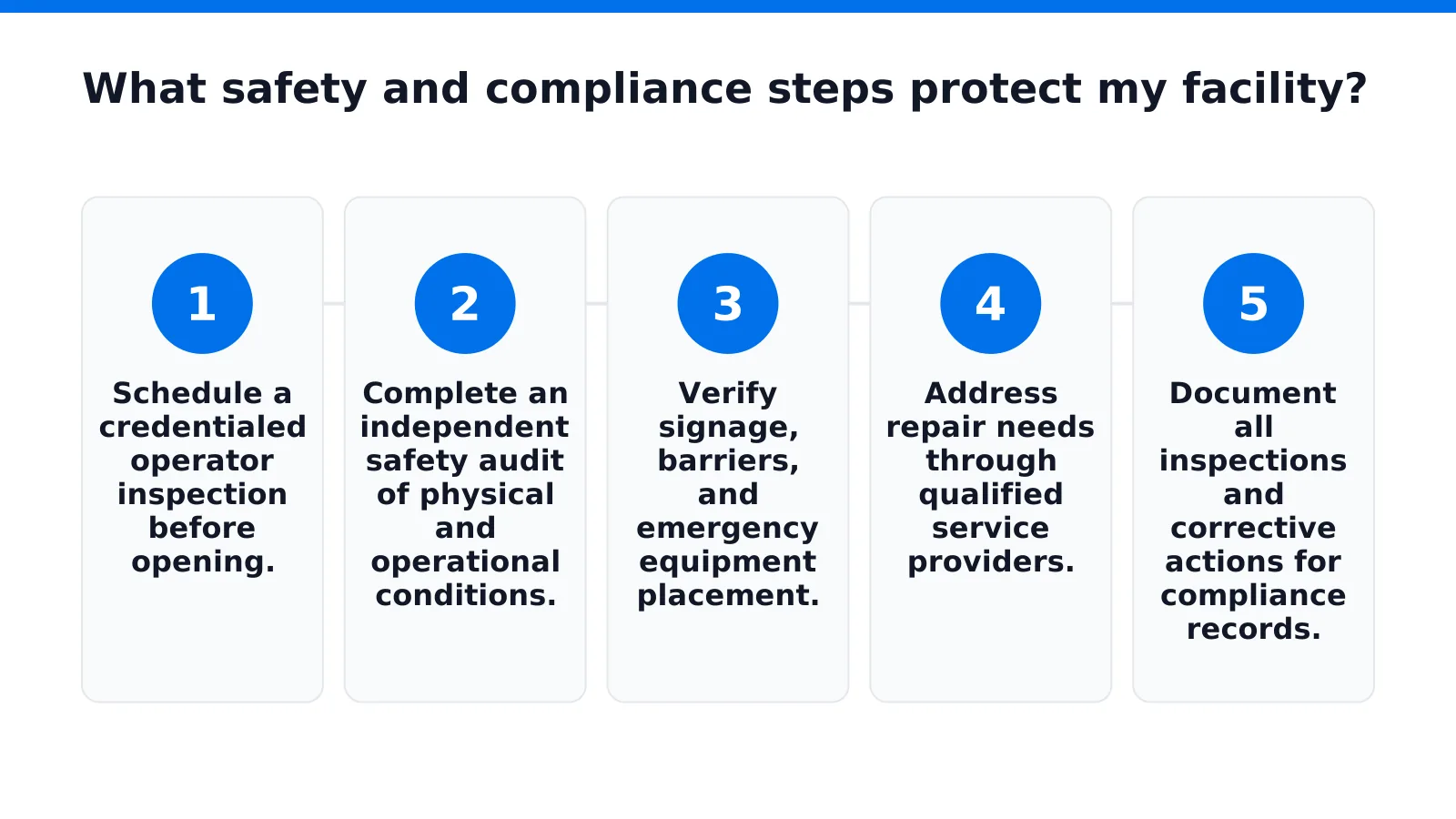
What safety and compliance steps protect my facility?
A structured safety program protects guests and shields property managers from liability. The first step is credentialing staff through a Certified Pool Operator course aligned with PHTA standards. This certification builds the operational knowledge needed for proper pool management and safety compliance.
What does a pool safety audit cover?
An independent pool safety audit evaluates the physical condition of the pool and its surrounding areas. The audit also examines operational practices to enhance safety and reduce liability. Property managers receive objective documentation of deficiencies before they become incidents.
What equipment and barriers are required?
Pool safety guidelines encompass proper signage, emergency equipment, and barriers to protect guests from accidents and injuries. Pool repairs and renovations, including resurfacing, filtration, pumps, heaters, and specialty parts, keep facilities reliable and compliant. Commercial pool equipment must meet manufacturer specifications and local code requirements.
Follow these steps in order:
- Schedule a credentialed operator inspection before opening.
- Complete an independent safety audit of physical and operational conditions.
- Verify signage, barriers, and emergency equipment placement.
- Address repair needs through qualified service providers.
- Document all inspections and corrective actions for compliance records.
FAQ
What should I inspect first on an unfamiliar pool?
Examine the pool shell for cracks, damaged tile, loose coping, and stains before any reopening decision.
An independent auditor assesses compliance and identifies risks that routine staff inspections miss.
How does factory-authorized support protect my pool equipment?
Factory authorization ensures repairs use genuine parts and follow manufacturer-standard procedures, protecting warranties.
How can Specialty Aquatics and Consulting help a new property manager with this process?
Specialty Aquatics and Consulting supports new property managers at every step outlined above. As an authorized warranty service provider for Hayward, Jandy, and Pentair, the company handles facility inspections, independent safety audits, and equipment verification with manufacturer-backed expertise. Its Certified Pool Operators perform the daily and weekly checks that build a compliance record, while 24/7 remote monitoring through PoolCop flags equipment issues before they become costly failures, giving new managers a reliable partner for a smooth, compliant transition.
Conclusion
Taking ownership of an unfamiliar pool demands a methodical approach grounded in professional inspection, third-party verification, and factory-authorized support. Property managers who complete this checklist before opening season eliminate hidden liabilities, protect guests, and establish the documented compliance record that distinguishes well-managed facilities from reactive operations. The investment in upfront assessment and credentialed oversight pays dividends through reliable equipment performance, reduced emergency repairs, and confidence that the facility meets regulatory standards and operational best practices.