

How 24/7 Remote Pool Monitoring Prevents Costly Equipment Failures with Automated Pool Maintenance
By Michael Scheetz, Specialty Aquatics and Consulting, LLC
In the realm of pool management, the integration of 24/7 remote monitoring systems has revolutionized how pool operators maintain their facilities. These advanced systems utilize real-time data to monitor pool conditions, ensuring that any potential issues are identified and addressed before they escalate into costly equipment failures. This article will explore the mechanisms behind automated pool maintenance, the benefits of early detection of anomalies, and how these technologies contribute to the longevity of pool equipment. By understanding these concepts, pool managers can significantly reduce operational costs and enhance the safety and enjoyment of their facilities.
The following sections will delve into the specifics of automated monitoring systems, the impact of early detection on maintenance practices, and the overall benefits of continuous pool equipment monitoring. Additionally, we will discuss how automated chemical management and operational efficiency play crucial roles in modern pool management technology. For more information about our company, please visit N2 Aquatics.
Automated Monitoring Systems
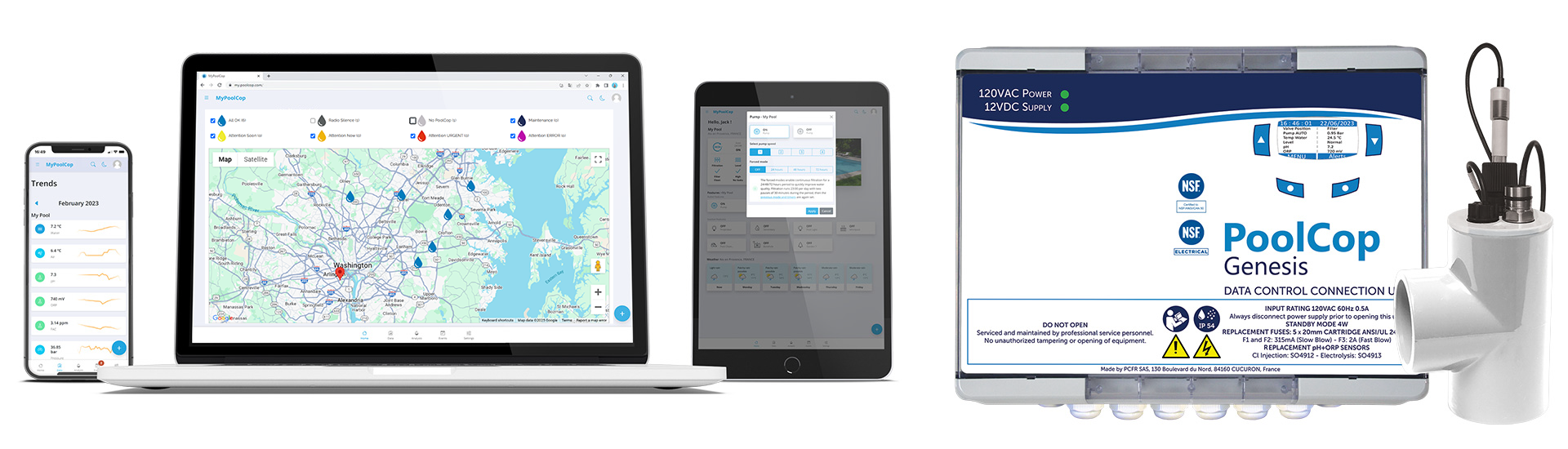
Automated monitoring systems are designed to continuously track various parameters of pool water and equipment status. These systems utilize real-time sensors to monitor water chemistry, temperature, and equipment performance, providing pool operators with immediate feedback on the state of their facilities. By maintaining constant oversight, these systems can prevent significant problems that may arise from unnoticed fluctuations in water quality or equipment malfunctions.
The integration of advanced technologies like the Internet of Things (IoT) has been pivotal in transforming traditional water quality management into a more sophisticated and reliable process.
IoT for Modern Pool Water Quality Management
Development of newer technologies such as Internet of Things (IoT), virtual sensing, cyber-physical system (CPS), and optical techniques, have made its way in process of water quality measurement and management as well and have been replacing conventional methods. Conventional and modern methods are compared in terms of parameters, complexity, and reliability. Recent methods of water quality monitoring techniques are also reviewed to study any loopholes in modern methods.
Traditional vs modern approaches of monitoring stagnant water-Area of new business opportunities in pool management, KA Gautam, 2023
The integration of alerts for potential issues further enhances the effectiveness of these systems. When sensors detect anomalies, they send notifications to pool management, allowing for prompt intervention. This proactive approach not only safeguards the pool environment but also minimizes the risk of costly repairs and downtime. To see our previous work, check out our project portfolio.
Early Detection of Anomalies
Early detection of anomalies is a critical aspect of effective pool management. Automated alerts notify staff of irregularities in water chemistry or equipment performance, enabling immediate intervention. This swift response can prevent costly repairs and maintain operational safety, ensuring that the pool remains a safe and enjoyable environment for users.
By leveraging advanced monitoring technologies, pool operators can identify issues such as chemical imbalances or equipment malfunctions before they escalate. This capability is essential for maintaining compliance with health regulations and ensuring the safety of swimmers. The ability to act quickly on detected anomalies not only protects the pool’s infrastructure but also enhances the overall user experience.
Impact on Equipment Longevity
The longevity of pool equipment is significantly influenced by regular monitoring and timely maintenance. Automated systems provide valuable insights into the wear and tear of equipment, allowing for proactive maintenance that can prevent major failures. By identifying potential issues early, pool operators can save money on emergency repairs and extend the lifespan of their equipment.
Regular monitoring also helps in optimizing the performance of pool systems. For instance, by tracking the efficiency of pumps and filters, operators can make informed decisions about maintenance schedules and replacements. This strategic approach to equipment management not only reduces costs but also enhances the reliability of pool operations.
Automated Chemical Management
Automated chemical management systems play a vital role in maintaining optimal water quality in pools. These smart technologies automate the dosing of chemicals, ensuring that water remains balanced and safe for swimmers. By reducing chemical waste and preventing equipment damage from imbalances, automated systems contribute to both cost savings and enhanced safety.
The integration of automated chemical management with monitoring systems allows for real-time adjustments based on water quality data. This dynamic approach ensures that pools are always maintained at optimal levels, reducing the risk of health hazards associated with poor water quality.
Operational Efficiency
Remote monitoring significantly improves operational efficiency for pool management. With centralized oversight of multiple pools, operators can reduce the need for frequent on-site visits, thereby lowering operational costs. This efficiency is particularly beneficial for facilities managing several locations, as it allows for streamlined operations and better resource allocation.
Moreover, the data collected from monitoring systems can be analyzed to identify trends and optimize maintenance schedules. By understanding usage patterns and equipment performance, pool managers can make informed decisions that enhance overall operational efficiency.
This analytical capability, supported by real-time remote monitoring, is crucial for visualizing trends and making data-driven decisions to improve operational efficiency.
Real-Time Remote Monitoring for Operational Efficiency
operational efficiency by (i) visualization of trends to analyze spatial and temporal variations of the monitored parameters, (ii) remote.
Real time monitoring and control in water distribution systems for improving operational efficiency, IE Karadirek, 2016
Compliance and Safety
Compliance with health regulations is paramount in pool management. Continuous monitoring ensures that water quality remains within acceptable limits, while automated systems document maintenance activities for regulatory purposes. This level of oversight mitigates liability risks and enhances the safety of pool environments.
By maintaining accurate records of water quality and maintenance actions, pool operators can demonstrate compliance with local health regulations. This transparency not only protects the facility from potential legal issues but also builds trust with patrons who expect a safe swimming environment.
Overall Benefits to Pool Management
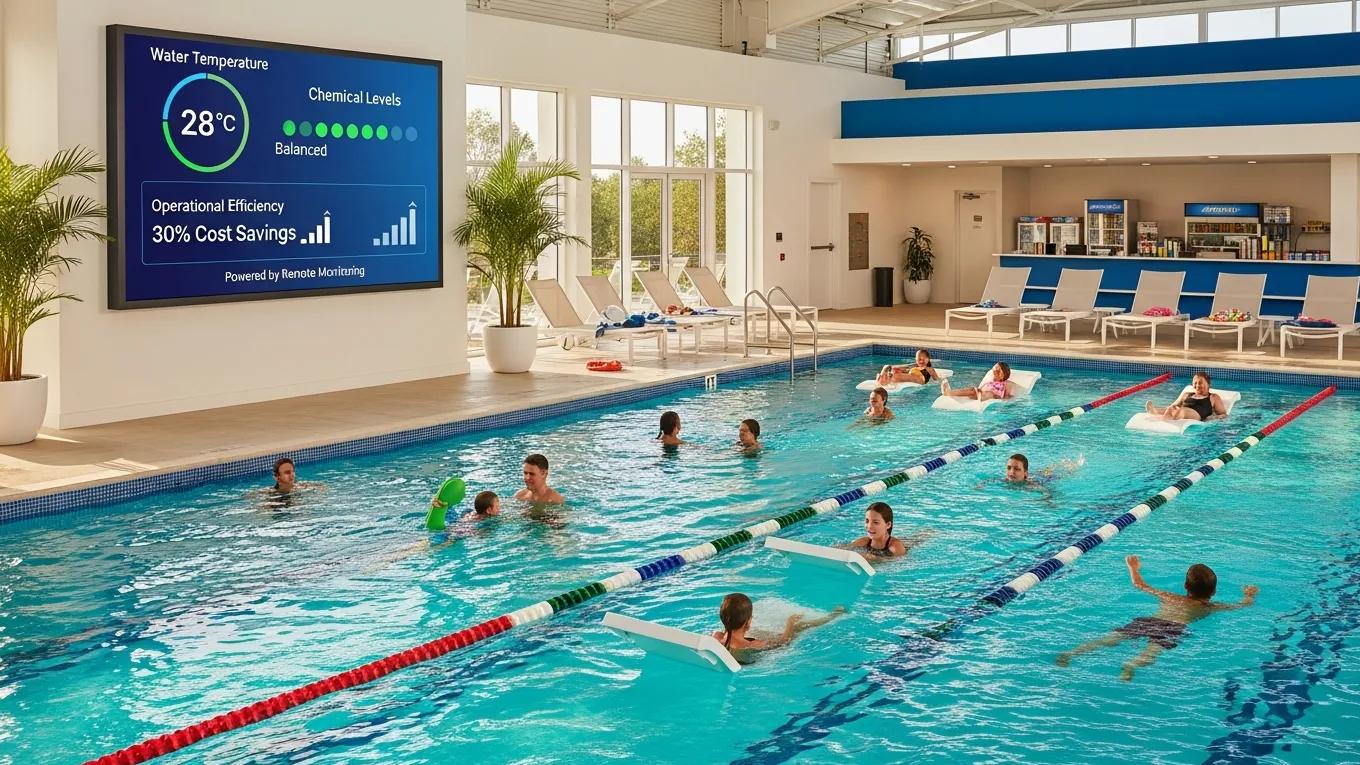
The overall benefits of remote monitoring extend beyond cost savings and equipment longevity. Enhanced transparency and accountability in pool management lead to improved communication among staff and a safer swimming environment for users. By adopting advanced monitoring technologies, pool operators can create a more efficient and effective management system.
The integration of automated systems fosters a culture of proactive maintenance, where potential issues are addressed before they impact users. This shift in approach not only enhances operational efficiency but also contributes to a more enjoyable experience for swimmers.
What Are the Key Benefits of Continuous Pool Equipment Monitoring?
Continuous pool equipment monitoring offers several key benefits that significantly enhance pool management:
- Cost Savings: Early detection of issues prevents costly repairs and reduces emergency maintenance expenses.
- Enhanced Equipment Lifespan: Regular monitoring allows for timely maintenance, extending the life of pool equipment.
- Improved Operational Efficiency: Centralized monitoring reduces the need for frequent on-site visits, lowering operational costs.
These benefits underscore the importance of investing in advanced monitoring technologies for effective pool management.
How Does Automated Pool Monitoring Reduce Maintenance Costs?
Automated pool monitoring systems contribute to reduced maintenance costs through several mechanisms:
- Precision in Chemical Management: Automated dosing systems ensure optimal chemical levels, preventing overuse and waste.
- Early Issue Detection: Identifying problems before they escalate minimizes repair costs and downtime.
- Reduced Labor Costs: Centralized monitoring allows for fewer on-site visits, saving on labor expenses.
By leveraging these advantages, pool operators can achieve significant cost reductions while maintaining high standards of safety and quality.
What Role Do Smart Pool Sensors Play in Early Failure Detection?
Smart pool sensors are integral to the early detection of equipment failures. These sensors monitor critical parameters such as water temperature, chemical levels, and equipment performance. By providing real-time data, they enable pool operators to identify anomalies that may indicate potential failures.
The timely intervention made possible by these sensors can prevent costly repairs and ensure the continued safe operation of pool facilities. Their role in compliance with health regulations further emphasizes their importance in modern pool management.
Which Pool Equipment Failures Can 24/7 Remote Monitoring Detect?
24/7 remote monitoring can detect various pool equipment failures, including:
- Unusual Noises: Sounds from pumps or filters may indicate mechanical issues.
- Poor Water Circulation: Monitoring flow rates can reveal blockages or pump failures.
- Increased Energy Bills: Unexplained spikes in energy consumption may signal inefficiencies in equipment.
By identifying these issues early, pool operators can take corrective action before they lead to significant problems.
How Is Pool Pump Failure Identified by IoT Sensor Technology?
IoT sensor technology plays a crucial role in identifying pool pump failures. Vibration and flow sensors continuously monitor the status of pumps, providing data that can indicate potential issues. Data analysis techniques are employed to detect anomalies, allowing for proactive maintenance.
Indeed, the use of IoT sensors is fundamental for gathering the necessary data to detect faults in critical equipment like pumps, enabling timely preventive action.
IoT Sensors for Pump Fault Detection
pump used for the cooling system of this ship’s main engine were analysed. These data were received with IoT sensors.
Experimental IoT study on fault detection and preventive apparatus using Node-RED ship’s main engine cooling water pump motor, AS Cabuk, 2022
This approach not only reduces repair costs but also enhances the reliability of pool operations. By ensuring that pumps are functioning optimally, pool managers can maintain a safe and enjoyable swimming environment.
What Water Quality Alerts Indicate Equipment Malfunctions?
Water quality alerts are essential for identifying equipment malfunctions. Key indicators include:
- High pH Levels: This may suggest dosing issues or equipment failures in chemical management systems.
- Low Chlorine Levels: Insufficient chlorination can indicate problems with the chlorinator or chemical supply.
- Algae Growth Alerts: These signals often point to filtration issues or inadequate chemical balance.
By responding to these alerts promptly, pool operators can maintain water quality and prevent health hazards.
What Technologies Power Remote Pool Monitoring Systems?
Remote pool monitoring systems are powered by various technologies, including:
- Real-Time Sensors: These devices continuously monitor pool conditions, providing immediate feedback.
- Cloud Connectivity: Enables remote access to monitoring data from anywhere, facilitating timely decision-making.
- Data Analytics Tools: Analyze performance data to optimize maintenance schedules and operational efficiency.
These technologies work together to create a comprehensive monitoring solution that enhances pool management.
How Do IoT Sensors and Automated Alerts Work Together?
IoT sensors and automated alerts function synergistically to enhance pool management. Sensors provide real-time data on water quality and equipment status, while automated alerts notify staff of any anomalies. This integration allows for immediate action, ensuring that potential issues are addressed before they escalate.
The combination of these technologies not only improves operational efficiency but also enhances the safety and enjoyment of pool facilities.
What Are the Integration Best Practices for Existing Pool Systems?
Integrating remote monitoring systems into existing pool setups requires careful planning. Best practices include:
- Selecting Appropriate Technology: Choose sensors and monitoring systems that are compatible with existing equipment.
- Professional Installation: Engage certified professionals to ensure proper setup and functionality.
- Ensuring Compatibility: Verify that new systems can seamlessly integrate with current pool management technologies.
Following these best practices can enhance the effectiveness of monitoring systems and improve overall pool management.
How Do Case Studies Demonstrate Cost Savings from Remote Monitoring?
Case studies provide valuable insights into the cost savings associated with remote monitoring. Real-world examples illustrate how facilities have reduced maintenance expenses and improved operational efficiency through the implementation of automated systems. These studies highlight the effectiveness of monitoring technologies in preventing costly repairs and enhancing overall pool management.
What Percentage Reduction in Emergency Repairs Has Been Observed?
Facilities that have adopted remote monitoring systems have reported significant reductions in emergency repairs. Statistics indicate that some organizations have experienced a decrease in emergency maintenance costs. This reduction underscores the value of proactive monitoring in maintaining pool equipment and ensuring operational efficiency.
How Do Real-World Examples Quantify Maintenance Efficiency?
Real-world examples demonstrate how remote monitoring enhances maintenance efficiency. Facilities that utilize automated systems report improved response times to issues and a more streamlined maintenance process. By quantifying these improvements, pool operators can better understand the return on investment associated with monitoring technologies.
What Are the Installation and Maintenance Guidelines for Remote Monitoring?
Proper installation and maintenance of remote monitoring systems are crucial for their effectiveness. Guidelines include:
- Installation by Certified Professionals: Ensures that systems are set up correctly and function as intended.
- Regular Inspections: Scheduled maintenance checks help identify potential issues before they escalate.
- Data Monitoring for Compliance: Continuous tracking of water quality and equipment performance supports regulatory compliance.
Adhering to these guidelines can maximize the benefits of remote monitoring systems.
How to Implement Continuous Pool Equipment Monitoring Effectively?
Implementing continuous pool equipment monitoring requires a strategic approach. Key steps include:
- Selecting Reliable Monitoring Technology: Choose systems that meet the specific needs of your facility.
- Engaging Professionals for Installation: Ensure that systems are installed correctly for optimal performance.
- Establishing a Maintenance Calendar: Regularly scheduled maintenance helps maintain system effectiveness and compliance.
By following these steps, pool operators can effectively implement monitoring systems that enhance operational efficiency and safety.
What Maintenance Actions Are Triggered by Automated Alerts?
Automated alerts trigger various maintenance actions, including:
- Real-Time Monitoring of Water Chemistry: Alerts prompt immediate adjustments to chemical levels.
- Equipment Status Alerts: Notifications about equipment performance lead to timely inspections and repairs.
- Scheduled Maintenance Reminders: Alerts help ensure that regular maintenance tasks are completed on time.
These actions contribute to the overall efficiency and safety of pool management, ensuring a high-quality experience for users. If you have any questions, please contact us.