
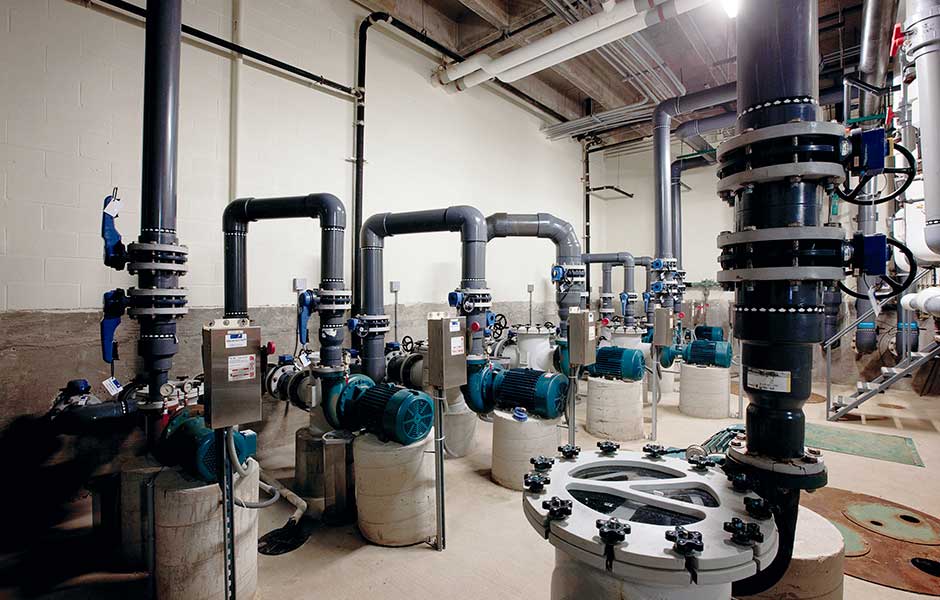
High-capacity aquatic facilities require specific equipment to ensure both efficiency and safety. Understanding the essential components of commercial pool equipment is crucial for facility managers, architects, and engineers involved in aquatic facility design and maintenance. This guide delves into key specifications for commercial pool pumps, automated chemical controllers, and filtration systems, outlining their significance for effective pool operation. For more information on our expertise in aquatic facility solutions, explore our about Specialty Aquatics and Consulting section.
As the demand for superior aquatic experiences grows, it becomes vital to address the common challenges, such as energy efficiency and water quality management. By focusing on five critical components, this article provides insights that can aid decision-makers in selecting appropriate equipment while considering long-term operational costs and safety regulations. Key sections explored will include pump specifications, automated control systems, filtration systems, their energy implications, and effective integration strategies.
What Are the Essential Specifications for Commercial Pool Pumps?
Commercial pool pumps play a pivotal role in maintaining water clarity and safety in high-capacity aquatic facilities. These pumps must meet precise specifications to ensure efficient water circulation and energy use. Selecting the right pump involves understanding factors such as capacity, motor types, and energy ratings, which together influence the overall performance and operational efficiency of the pool system.
Which Pump Capacities and Motor Types Suit High-Capacity Aquatic Facilities?
When choosing commercial pool pumps, it’s essential to consider the pool’s capacity and the motor types available. High-capacity pools typically require pumps that can handle significant volumes of water efficiently. Common capacities range from 1,000 to 10,000 gallons per hour, which should be matched to the pool’s size and usage frequency.
Moreover, motor types, including single-speed and variable-speed options, offer different levels of operational efficiency. Variable-speed pumps, in particular, are becoming the go-to choice for modern facilities as they allow for tailored operation speeds based on specific needs, thereby optimizing energy use and reducing operational costs. Discover various solutions on our services offered page that address these needs.
How Does Energy Efficiency Impact Commercial Pool Pump Selection?
Energy efficiency is a crucial factor influencing the selection of commercial pool pumps. Pumps that feature high energy efficiency ratings not only reduce electricity costs but also minimize environmental impact. The efficiency ratings, typically classified under the Energy Star program, guide facility managers toward sustainable choices.
Investing in energy-efficient pumps can lead to substantial cost savings in the long run, as they consume less power while providing adequate circulation. Facilities can further enhance efficiency through scheduled maintenance and monitoring, ensuring pumps operate at peak performance without excessive energy consumption.
How Do Automated Chemical Controllers Enhance Pool Maintenance and Safety?
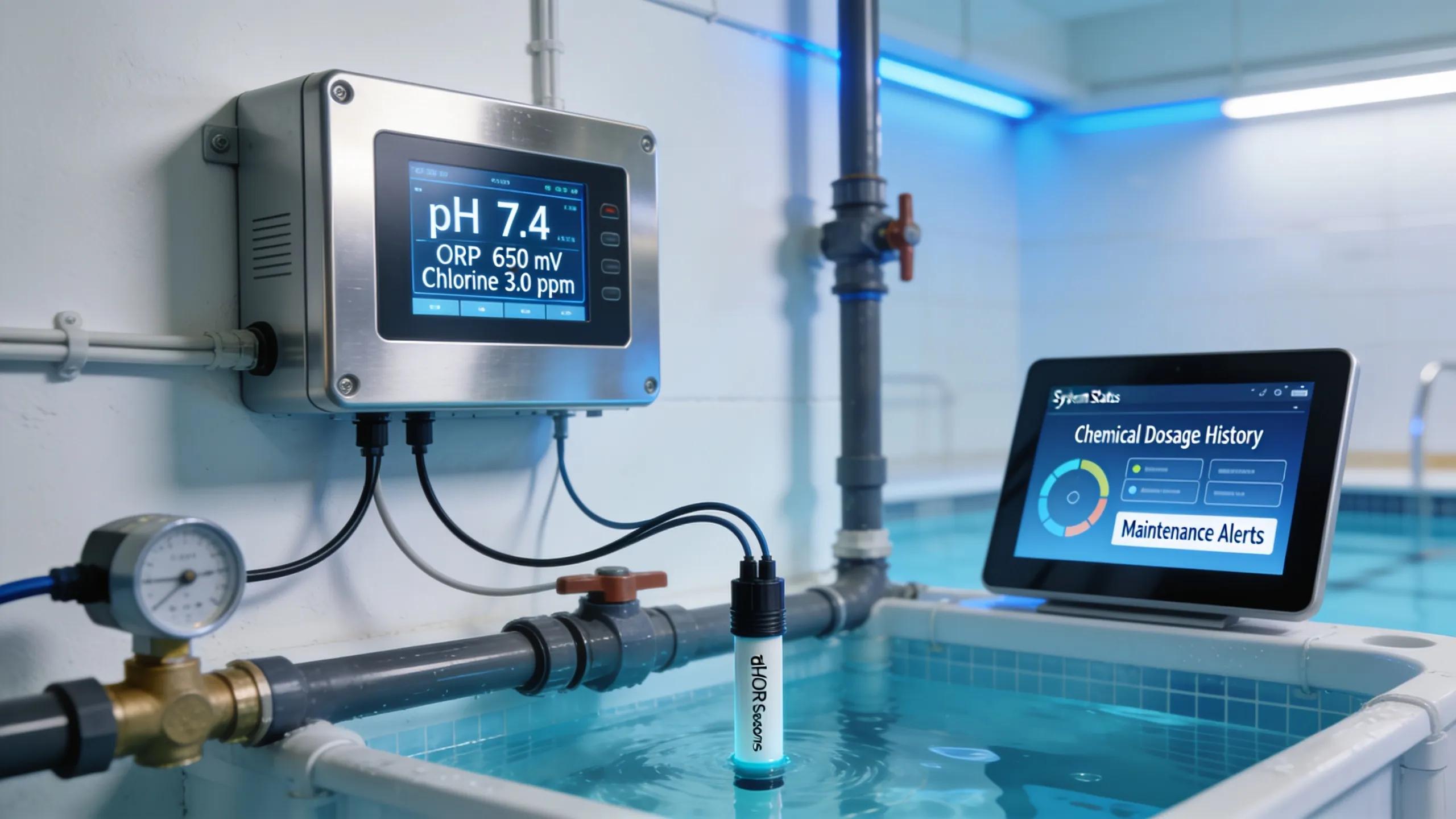
Automated chemical controllers are vital for modern pool maintenance, ensuring that water quality remains consistent and safe for users. These systems automate the dosing of chemicals, reducing human error and maintaining optimal chemical balance, which is essential for swimmer safety.
Facilities utilizing automated controllers benefit from real-time monitoring and adjustments, allowing for improved operational efficiency and resource allocation. This automation not only simplifies pool management but also assures compliance with safety regulations.
What Sensor Types and Control Logics Are Used in Automated Chemical Controllers?
Automated chemical controllers employ various sensors and control logics for precise chemical management. Common sensor types include pH sensors, ORP sensors, and chlorine sensors, each playing a role in assessing water quality.
The control logic in these systems can combine inputs from multiple sensors, enabling the automatic adjustment of chemical dosing. This ensures that the pool water remains balanced, reducing the likelihood of health hazards while extending the lifespan of pool equipment.
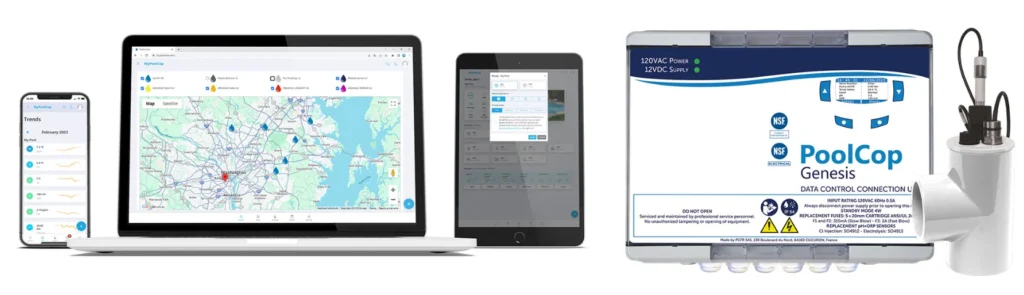
Specialty Aquatics and Consulting is proud to partner with PoolCop, a fully automated, cloud-connected chemical controller built for 24/7 remote monitoring. Through this partnership, facility managers gain continuous visibility into sensor readings, dosing activity, and system alerts from any location, adding a dependable layer of oversight to daily water quality management. Learn more about the PoolCop system on our products page.
Advanced control systems, like those using PLCs and IoT, are being developed to optimize chemical mixing and remote monitoring in various industrial applications, showcasing the future of automated management.
Automated Chemical Control Systems with PLC and IoT
This study aims to analyze the implementation of a Programmable Logic Controller (PLC)-based automatic control system integrated with the Internet of Things (IoT) as a solution to optimize the chemical mixing process. The research methodology includes the design of the control system architecture, PLC programming for regulating chemical levels, temperature, and material proportions, as well as the development of a web-based IoT dashboard for remote monitoring. Analysis of the Implementation of PLC-and Iot Based Automatic Control Systems in Optimizing the Chemical Mixing Process at PT RAPP, 2026
What Are the Operational Advantages of Automating Chemical Control in Large Pools?
The automation of chemical control in large pools provides several operational advantages. Facilities can experience a reduction in labor costs as staff spend less time manually balancing chemicals. Additionally, automation contributes to improved water quality by responding promptly to chemical imbalances, thus enhancing the safety of the aquatic environment.
Moreover, automated systems can collect data over time, allowing facility managers to analyze trends and make informed decisions about pool chemistry, potentially leading to further cost savings and improved efficiency.
Which Filtration Systems Are Recommended for High Capacity Commercial Pools?
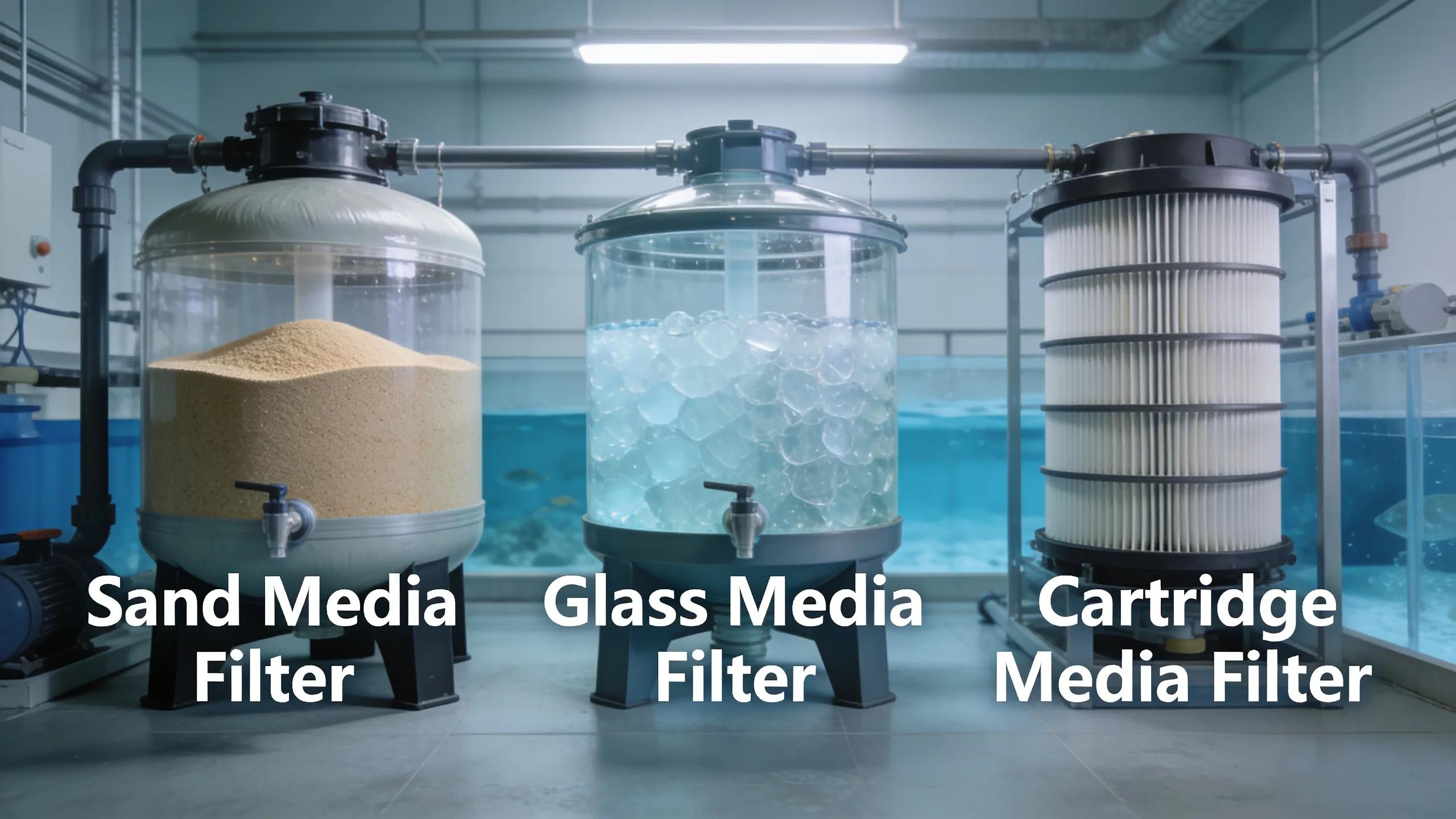
Effective filtration is crucial in maintaining water clarity and quality in high-capacity pools. Choosing the right filtration system depends on factors such as flow rate, filter media, and backwashing frequency, all of which contribute to the overall performance of the aquatic facility.
To see how these systems are implemented in real-world scenarios, review our project portfolio.
What Filter Media Types and Backwash Frequencies Optimize Pool Water Quality?
Common filter media types include sand, diatomaceous earth (DE), and cartridge filters. Each type has its advantages and limitations regarding filtration capabilities and maintenance requirements. DE filters, for example, provide finer filtration than sand but may involve more complex maintenance.
Regular backwashing is essential to maintain the efficiency of filtration systems. Facilities should establish schedules based on usage and water conditions to optimize performance and ensure clean, safe water for swimmers.
How Do Filtration Flow Rates Affect Pool System Performance?
Filtration flow rates directly impact the overall performance of pool systems. Properly matched flow rates ensure adequate circulation and filtration while preventing strain on pumps and other equipment.
For high-capacity pools, flow rates typically range from 30 to 100 gpm (gallons per minute). Facilities must carefully design their filtration systems to balance flow rates with pool size and usage patterns, ensuring effective filtration without excessive energy costs.
Why Is Energy Efficiency Crucial for Commercial Pool Equipment in Industrial Aquatic Facilities?
Energy efficiency is of paramount importance in the operation of commercial pool equipment, particularly in industrial aquatic facilities. With rising energy costs and growing environmental concerns, selecting energy-efficient solutions has become a top priority for facility managers.
How Do Energy-Efficient Pumps and Controllers Reduce Operational Costs?
Energy-efficient pumps and controllers can significantly reduce operational costs by minimizing electricity consumption. By optimizing energy use, facilities can achieve considerable savings, often recouping the initial investment in energy-efficient technologies within a few years.
Moreover, many energy-efficient pumps come equipped with advanced monitoring features, allowing for predictive maintenance and further cost reductions. This focus on energy management not only benefits the facility’s bottom line but also aligns with sustainability goals.
What Integration Strategies Improve Energy Savings in Aquatic Facility Equipment?
To maximize energy savings, facilities should consider integrating various components of their aquatic systems. Implementing strategies like variable speed drives for pumps, energy-efficient lighting, and advanced monitoring systems can lead to enhanced overall efficiency.
Collaboration between equipment manufacturers and facility operators also facilitates tailored solutions that meet specific energy reduction targets. If you need expert assistance with such projects, feel free to contact us for tailored solutions that meet specific energy reduction targets.
Frequently Asked Questions
What is the ideal pump capacity for a high-capacity commercial pool?
Most high-capacity commercial pools require pumps rated between 1,000 and 10,000 gallons per hour, with the exact figure determined by pool size, bather load, and turnover requirements. Variable-speed motors are typically recommended since they let facility managers match flow to actual demand and reduce energy costs.
Why should a facility use an automated chemical controller instead of manual dosing?
Automated chemical controllers use pH, ORP, and chlorine sensors to continuously monitor water chemistry and adjust dosing in real time, which reduces human error, keeps water balanced for swimmer safety, and helps facilities stay compliant with regulations. This also frees staff from time-consuming manual testing and dosing.
What makes PoolCop different from a standard chemical controller?
PoolCop is a fully automated, cloud-connected chemical controller that provides 24/7 remote monitoring, giving facility managers continuous visibility into sensor readings, dosing activity, and system alerts from any location. Specialty Aquatics and Consulting partners with PoolCop to add this dependable layer of oversight to daily water quality management.
What filter media options are best for high-capacity pools?
Sand, diatomaceous earth (DE), and cartridge filters are the most common options, each with different filtration fineness and maintenance needs. DE filters offer finer filtration than sand but require more involved upkeep, so the right choice depends on water quality goals and available maintenance resources.
How does energy-efficient equipment impact long-term pool operating costs?
Energy-efficient pumps and controllers lower electricity consumption and often pay back their added upfront cost within a few years through operational savings. Pairing this equipment with strategies like variable speed drives and advanced monitoring further improves overall efficiency and supports sustainability goals.