
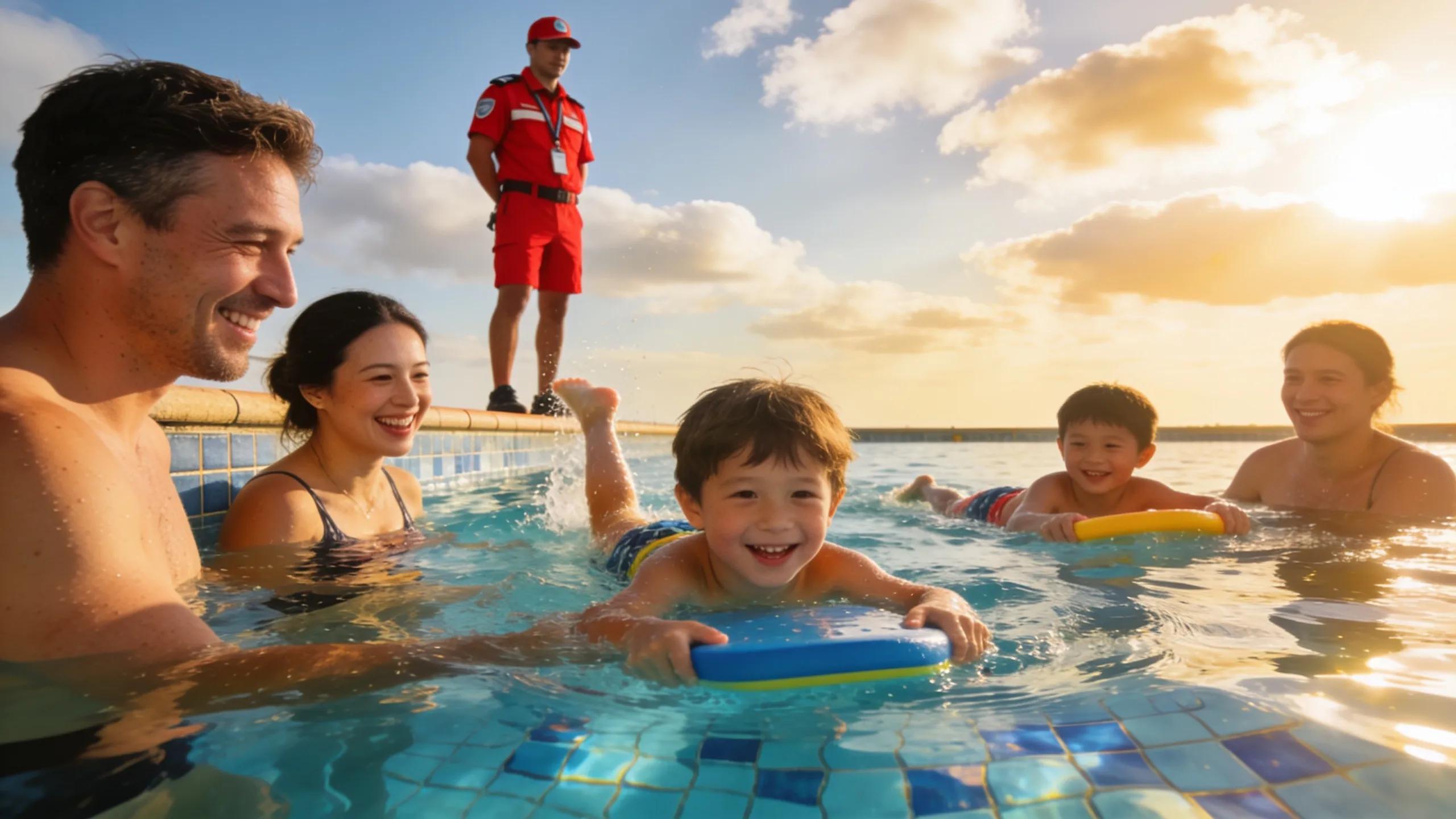
Learning to swim is not just an essential skill—it is fundamental to lifelong health and safety for individuals and communities. Families and aquatic facilities across Atlanta and the Florida Panhandle often overlook the myriad benefits that swim lessons offer, from enhanced physical fitness and mental well-being for swimmers to stronger safety outcomes for aquatic facilities. This guide explains the importance of aquatic education, showing how learning to swim benefits families as a safeguard against drowning while enhancing quality of life. As drowning remains a leading cause of accidental death, understanding the value of drowning prevention for families and effective aquatic safety programs becomes crucial. We invite you to “learn more about our mission” and how we support community safety. The following sections cover why swimming is vital, how to approach swim lesson program design, best practices for aquatic leadership, and practical tips for water safety for children and promoting swim participation.
Why Is Learning to Swim Important for Families and Communities?
Swimming is a fundamental life skill that provides profound benefits for individuals and communities alike. It enhances personal safety while also fostering health and social interaction. Knowing how to swim significantly reduces the chances of drowning, which remains a leading cause of accidental fatalities, particularly among children. Additionally, swimming engages people in a healthy lifestyle, encouraging family activities that promote fitness and bonding. Communities that invest in swimming programs see reduced emergency situations related to water incidents while also promoting a culture of aquatic safety.
How to Design Effective Swim Lesson Programs for All Age Groups?
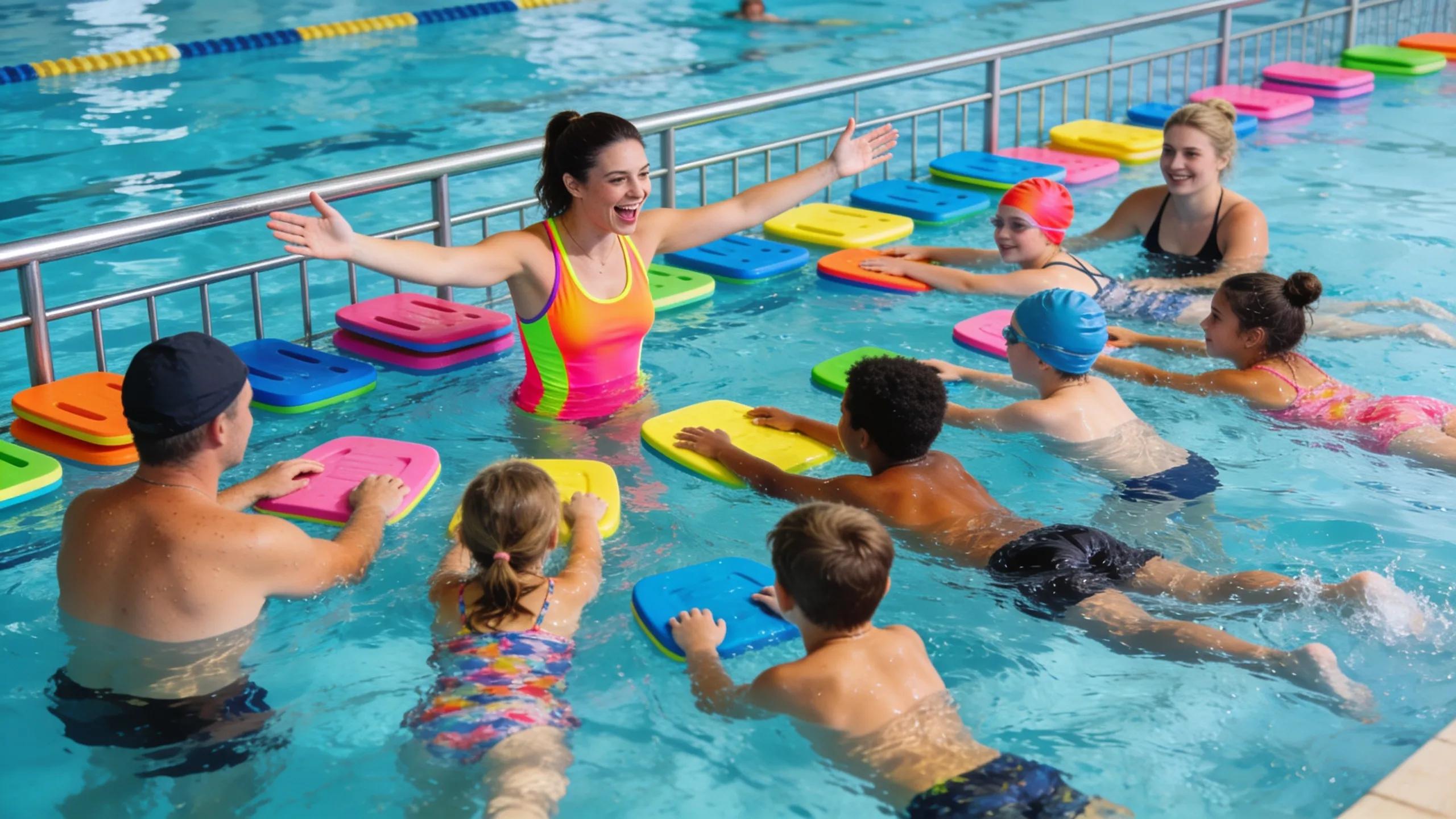
Designing an effective swim lesson program requires a thoughtful approach that considers the diverse needs of participants. A successful program must adapt to various age groups and skill levels, ensuring that both children and adults find value and enjoyment in their lessons. Elements such as qualified instructors, engaging lesson plans, and safe environments are crucial. By incorporating feedback from participants and families, aquatic leaders can continuously refine their programs to enhance learning experiences. Explore our “comprehensive service offerings” to see how we help facility managers build better aquatic programs.
Research into modern training frameworks emphasizes the necessity of bridging the gap between basic technical skills and genuine water confidence for long-term aquatic success.
Innovative Swimming Training: Integrating Skill Development and Water Confidence This study aimed to develop and evaluate an application-based training model that integrates technical skill development and water confidence in freestyle swimming. A research and development approach was employed using the ADDIE framework, encompassing analysis, design, development, implementation, and evaluation stages. Integrating Skill Development and Water Confidence in Freestyle Swimming: An Application-Based Training Model, 2026
What Elements Ensure Swim Lessons Promote Lifelong Swimming Skills?
To promote lifelong swimming skills, swim lesson programs should focus on skill progression tailored to the individual needs of the participants. Elements that contribute to effective learning include:
- Structured Progression: Swim lessons should be structured in a manner that gradually increases the complexity of skills taught, enabling students to build confidence and competence.
- Engagement Techniques: Instructors must employ engaging techniques that make learning fun, including games, enjoyable drills, and a supportive environment.
- Regular Assessments: Frequent evaluations of students’ skills not only help to track progress but also motivate learners by acknowledging their achievements.
How Do Swim Programs Incorporate Safety Measures for Children and Adults?
Safety is paramount in swim programs, which need to integrate several protective measures. Key strategies include:
- Lifeguard Supervision: Ensuring that trained lifeguards are present at all swim events to provide immediate assistance in case of emergencies is essential for maintaining a safe environment.
- Safety Protocols: Implementing clear safety protocols, such as rules regarding inflatables, diving zones, and water entry techniques, significantly reduces risks.
- Parental Involvement: Encouraging parents to participate in the safety discussions and awareness programs enhances overall family engagement and accountability in aquatics.
What Are the Best Practices for Aquatic Leadership in Swim Facilities?
Aquatic leaders play a pivotal role in ensuring the effectiveness and safety of swim facilities. Their leadership significantly impacts participant experience, staff performance, and safety protocols. Essential best practices for aquatic leadership include:
- Staff Training: Regular training and development programs ensure that staff remain updated on the latest safety practices and teaching methodologies.
- Community Engagement: Engaging the community through outreach programs fosters a sense of stewardship and responsibility towards local aquatic resources.
- Feedback Mechanisms: Establishing open lines of communication allows for feedback from participants to be considered, improving service offerings and participant satisfaction.
How Can Families and Facilities Engage in Promoting Swim Participation and Safety?
Family involvement is essential for promoting swim participation, and facilities must cultivate an inclusive environment that welcomes all community members. Various strategies can be employed to boost engagement:
- Safety Workshops: Hosting workshops to educate families about swimming safety, particularly focusing on child supervision and the importance of swim skills, can have a lasting impact.
- Community Events: Organizing community swim days or competitions raises awareness and encourages family participation in aquatic programs.
- Promotional Discounts: Offering promotional discounts for family lessons or group classes can incentivize families to enroll in swim programs.
What Are Practical Swimming Safety Tips for Families to Prevent Drowning?
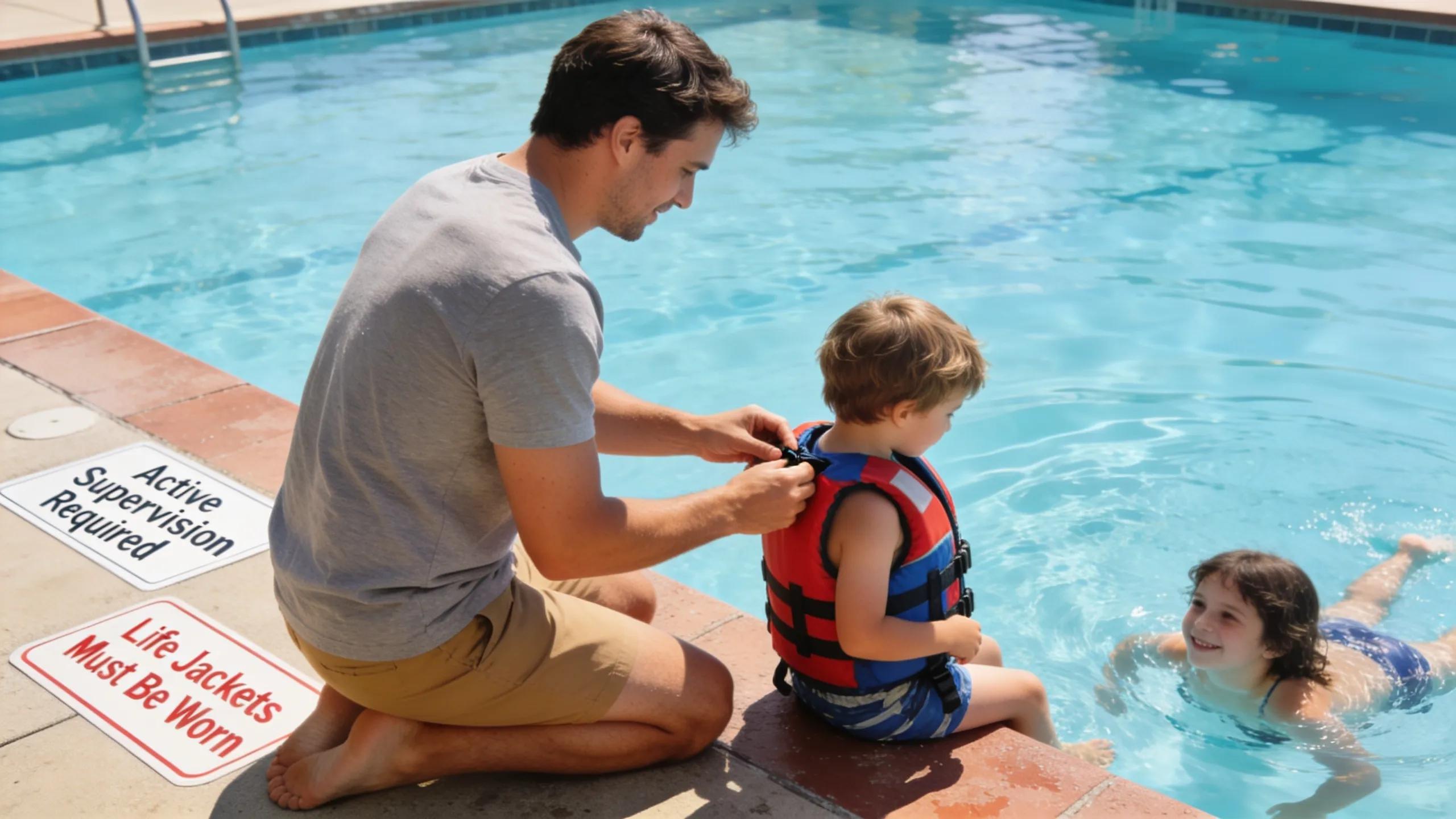
Preventing drowning is a shared responsibility that requires knowledge and proactive measures. Here are essential safety tips for families:
- Active Supervision: Always supervise children closely when around water, keeping distractions at bay.
- Wear Life Jackets: Ensure children wear U.S. Coast Guard-approved life jackets when in or around open water.
- Teach Swim Skills Early: Enroll children in swim lessons early to instill confidence and essential skills rapidly.
Through effective engagement strategies and practical safety measures, families can enhance their children’s aquatic skills and promote a culture of safety and wellness.
This table highlights critical aspects of designing effective swim lesson programs, showcasing how various elements contribute to creating safe and enjoyable learning experiences.
By adhering to a comprehensive approach to swim education, communities can significantly reduce drowning risks while enhancing the overall quality of life for their members.
Frequently Asked Questions
What does Specialty Aquatics and Consulting provide for a Swim Lesson Program?
We provide in-person or virtual consultations and customized swim lesson program design tailored to each facility’s layout and operational needs, with a focus on safety, effective instruction, and positive swimmer experiences. To learn more about what services we provide, visit our services page.
Why is learning to swim important for families and communities?
Swimming is a fundamental life skill that reduces the risk of drowning, one of the leading causes of accidental death, while also supporting fitness, family bonding, and a broader culture of aquatic safety within the community.
What safety measures should be part of every swim lesson program?
Effective programs include trained lifeguard supervision, clear safety protocols for water entry and pool use, and active parental involvement so families understand their role in preventing drowning incidents.
How can families help promote swim participation and safety?
Families can attend safety workshops, take part in community swim events, and enroll early in structured swim lessons to build their children’s confidence and skills while reinforcing safe water habits at home.