
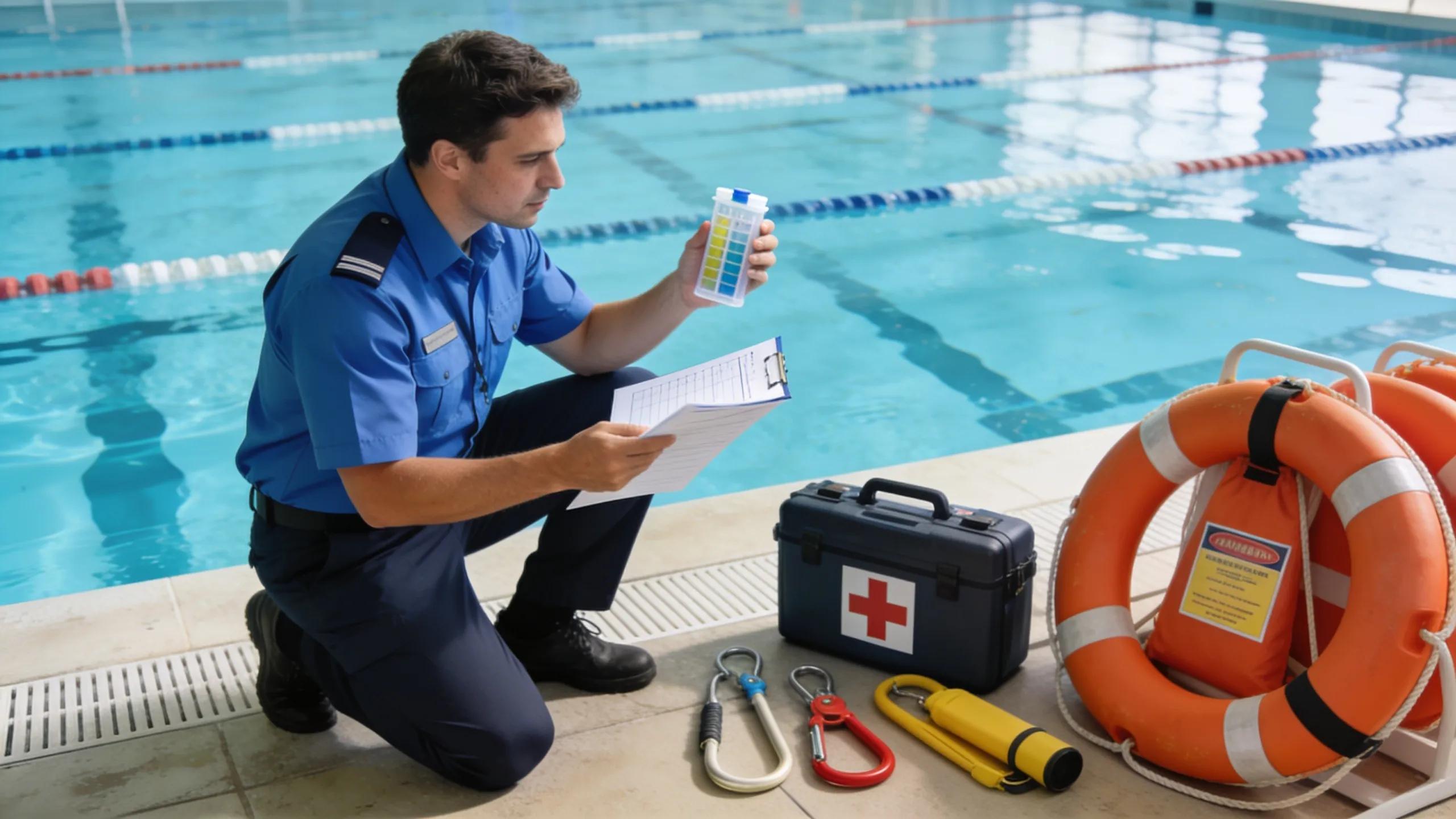
An independent pool safety audit is a critical evaluation process designed to ensure that aquatic facilities comply with safety regulations and standards. These audits not only assess the physical condition of the pool and its surrounding areas but also evaluate operational practices to enhance safety and reduce liability. Facilities often face challenges in maintaining compliance with evolving safety regulations, which can lead to significant risks if not addressed. This article will explore the definition of independent pool safety audits, the regulations governing aquatic facilities, the audit process, and the essential benefits of conducting these audits.
What Is an Independent Pool Safety Audit?
An independent pool safety audit is a thorough examination of a swimming pool facility conducted by a qualified third-party auditor. This process involves assessing compliance with safety regulations, identifying potential risks, and recommending corrective actions to enhance safety. The audit typically includes a detailed inspection of the pool area, equipment, and operational procedures. By ensuring that facilities meet established safety standards, these audits play a vital role in protecting patrons and reducing liability for facility operators.
Indeed, independent, third-party audits are recognized for providing a comprehensive assessment of both regulatory compliance and adherence to industry best practices.
Independent Audits for Aquatic Facility Compliance Independent, third-party audits provide a more comprehensive assessment of regulatory compliance and adherence to industry best practices than internal reviews alone, giving facility operators an objective view of where their safety program stands relative to established standards.
How Does a Pool Safety Inspection Ensure Compliance?
Pool safety inspections ensure compliance by systematically evaluating the facility against established safety regulations. Key regulations affecting pool safety include the Virginia Graeme Baker Pool and Spa Safety Act, which mandates specific safety measures to prevent drowning and entrapment incidents. Inspectors assess various criteria, such as the functionality of safety equipment, proper signage, and adherence to operational protocols. Non-compliance can lead to severe consequences, including fines, legal liabilities, and increased risk of accidents.
What Are the Key Components of a Swimming Pool Safety Checklist?
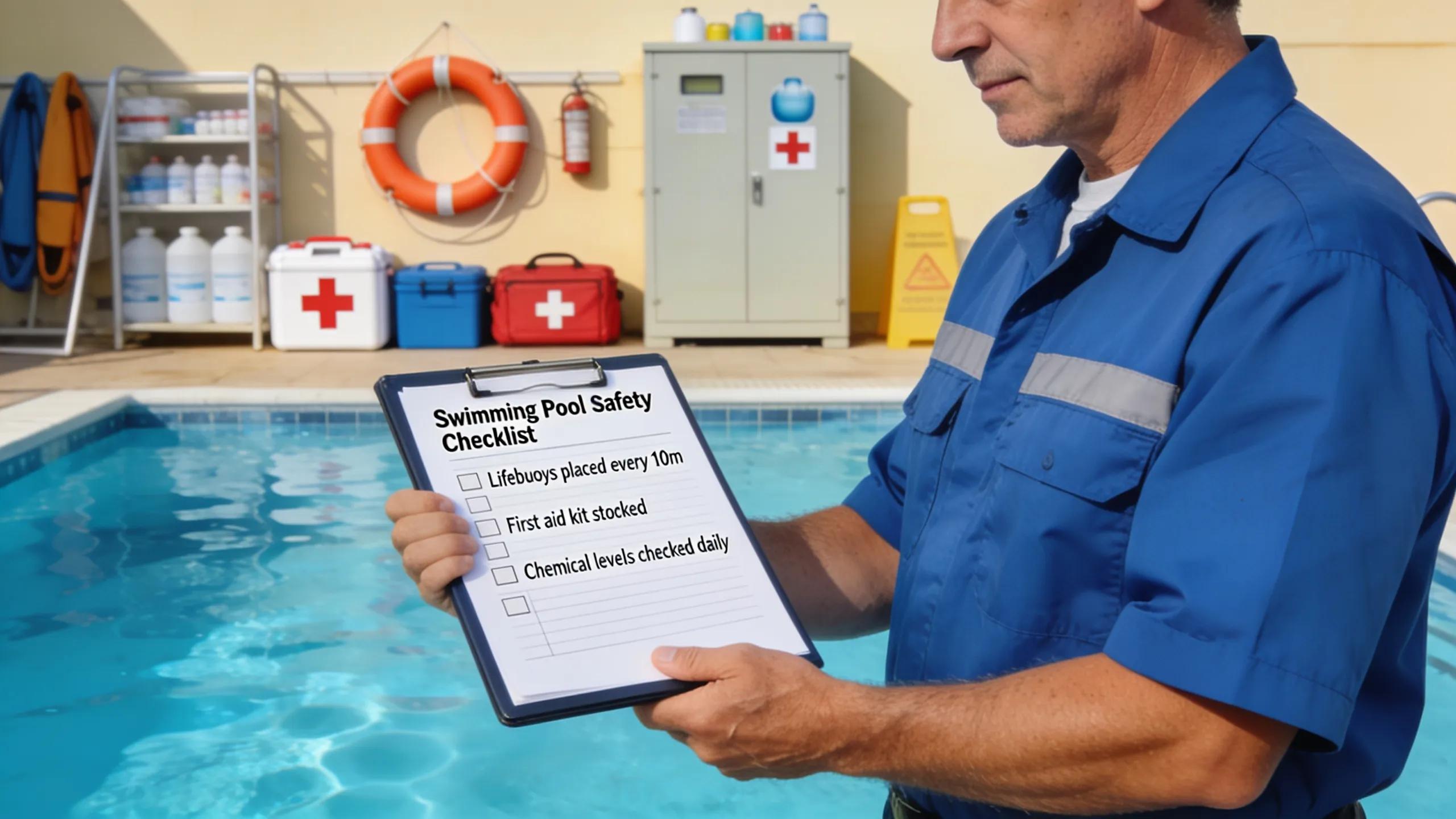
A swimming pool safety checklist includes several essential components that contribute to overall safety. Key elements of the checklist typically encompass:
- Safety Equipment: Verification of the presence and functionality of lifesaving equipment, such as life rings and poles.
- Water Quality: Regular testing of water chemistry to ensure safe swimming conditions.
- Signage: Proper placement of safety signs, including depth markers and rules for pool use.
These components are crucial for maintaining a safe environment for all pool users.
Challenges such as damaged or faded signage can significantly impede a facility’s ability to meet legal compliance requirements.
Operational Compliance Challenges in Outdoor Pools Cracked and faded signage negatively impacts the ability of outdoor pool operations to comply with legal requirements, making regular signage inspection and replacement an essential part of maintaining regulatory compliance.
Which Pool Safety Regulations Govern Aquatic Facilities?
Aquatic facilities are governed by a variety of safety regulations that aim to protect public health and safety. These regulations often include local health department codes, state laws, and federal mandates. Compliance with these regulations is essential for the operation of any public swimming pool. Facilities must stay informed about changes in legislation and ensure that their practices align with current standards to avoid penalties and ensure the safety of their patrons.
For instance, public health departments are often mandated to ensure the safety of public swimming pools through rigorous regulations and inspections, highlighting the critical role of regulatory bodies.
Public Pool Safety Regulations and Risk Factor Inspections The Georgia Department of Public Health (DPH) is mandated to ensure that public swimming pools are safe for those who use them. This mandate is carried out by the DPH and local environmental health professionals through regulations and inspections. In 2015, legislation was introduced proposing to reduce the authority of the DPH to inspect certain pool types (apartments, subdivision, condominiums) and thus reduce regulatory protections in place for swimmers. To ensure that the DPH had current information on the risks associated with pools, the EH team, with assistance from a graduate student, analyzed inspection data to evaluate risk factors associated with these pool types and summarized drownings and waterborne disease outbreaks (WBDOs). An assessment of data related to inspections of risk factors for public swimming pools, 2014
Who Sets the Standards for Pool Compliance Audits?
Standards for pool compliance audits are set by various organizations, including the American National Standards Institute (ANSI) and the Centers for Disease Control and Prevention (CDC). These organizations develop guidelines that outline best practices for pool safety and compliance. By adhering to these standards, auditors can provide a comprehensive evaluation of a facility’s safety measures, ensuring that they meet or exceed regulatory requirements.
How Do Safety Regulations Impact Facility Liability?
Safety regulations significantly impact facility liability by establishing a legal framework that facilities must follow to protect patrons. Non-compliance with these regulations can lead to increased liability in the event of an accident or injury. Facilities that conduct regular independent pool safety audits demonstrate a commitment to safety, which can mitigate liability risks. By identifying and addressing potential hazards proactively, facilities can create a safer environment and reduce the likelihood of legal repercussions.
What Is the Step-by-Step Process of a Pool Compliance Audit?
The process of conducting a pool compliance audit typically involves several key steps:
- Pre-Audit Preparation: Gathering relevant documentation, including previous inspection reports and maintenance records.
- On-Site Inspection: Conducting a thorough examination of the pool area, equipment, and operational practices.
- Risk Assessment: Identifying potential hazards and evaluating the effectiveness of existing safety measures.
- Reporting: Compiling findings into a comprehensive report that outlines compliance status and recommendations for improvement.
This structured approach ensures that all aspects of pool safety are thoroughly evaluated.
What Risk Assessment Techniques Are Used During an Independent Pool Inspection?
During an independent pool inspection, various risk assessment techniques are employed to identify potential hazards. Common techniques include:
- Visual Inspections: Assessing the physical condition of the pool and surrounding areas.
- Checklists: Utilizing standardized checklists to ensure all safety components are evaluated.
- Interviews: Engaging with staff to understand operational practices and identify areas for improvement.
These techniques help auditors provide a comprehensive evaluation of the facility’s safety measures.
How Is Compliance Certification Achieved and Documented?
Compliance certification is achieved through a systematic process that includes the completion of a successful audit. Once the audit is conducted, the auditor compiles a report detailing the findings and recommendations. Facilities that meet the required standards receive a compliance certificate, which serves as documentation of their commitment to safety. This certification is essential for demonstrating compliance to regulatory bodies and can be beneficial in legal situations.
Why Are Independent Pool Safety Audits Essential for Your Facility?
Independent pool safety audits are essential for ensuring the safety and compliance of aquatic facilities. These audits provide an objective assessment of safety measures, helping facilities identify areas for improvement. By conducting regular audits, facilities can enhance safety protocols, reduce liability, and foster a culture of safety among staff and patrons.
How Do Independent Audits Reduce Liability and Enhance Safety?
Independent audits reduce liability by identifying potential risks and ensuring compliance with safety regulations. By addressing these risks proactively, facilities can prevent accidents and injuries, which in turn minimizes the likelihood of legal claims. Independent audits also enhance safety by promoting best practices and ensuring that all safety equipment and procedures are up to date.
What Are the Benefits of Choosing an Independent Auditor?
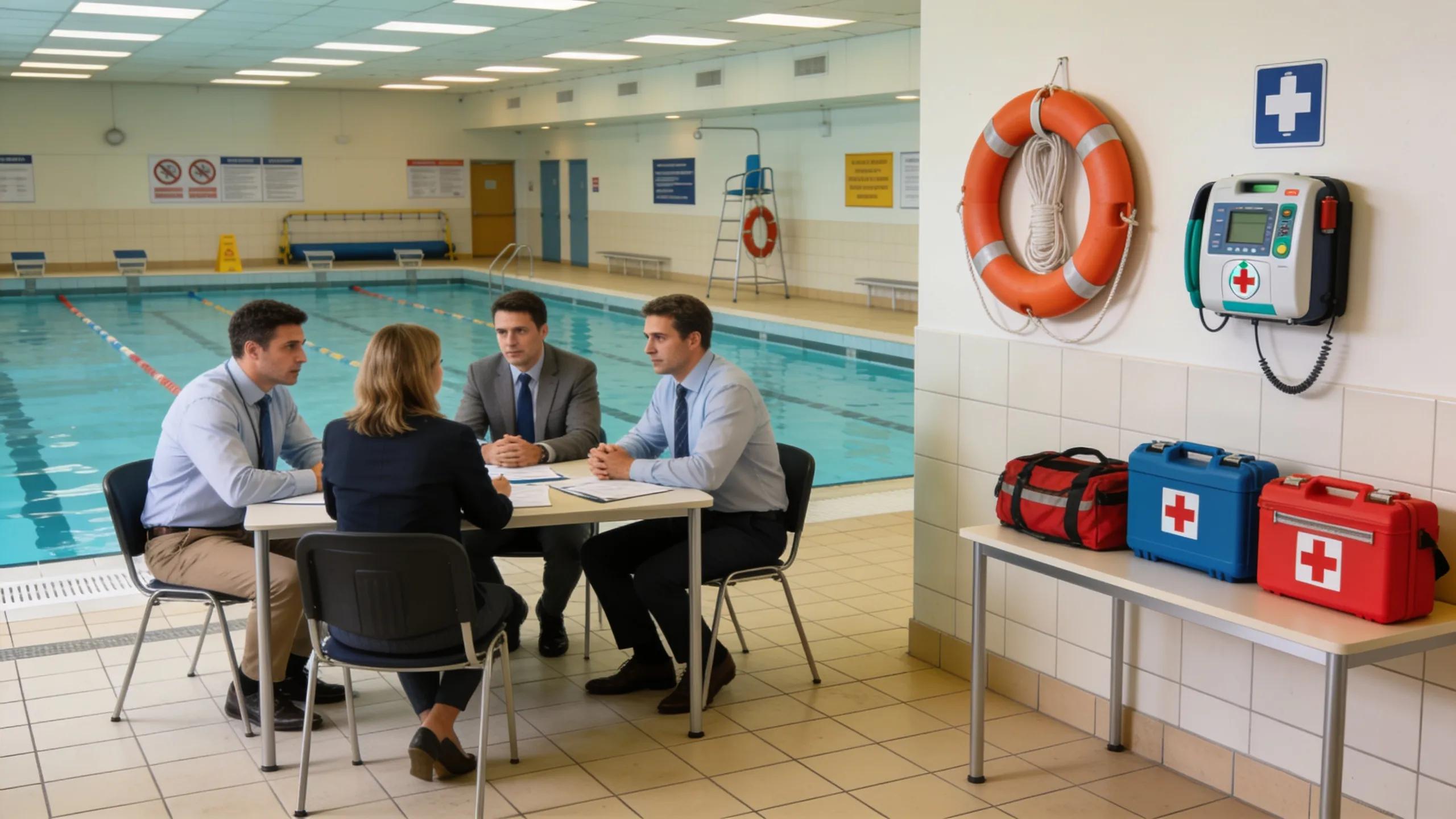
Choosing an independent auditor offers several benefits, including:
- Impartiality: Independent auditors provide an unbiased assessment of safety measures, ensuring that all findings are objective.
- Expertise: Independent auditors possess specialized knowledge of safety regulations and best practices, which can enhance the quality of the audit.
- Liability Reduction: By identifying and addressing potential risks, independent audits help facilities reduce their liability exposure.
These benefits underscore the importance of engaging qualified auditors for pool safety assessments.
How Can Case Studies Demonstrate the Impact of Pool Safety Audits?
Case studies can effectively illustrate the positive impact of pool safety audits on facility safety and compliance. By examining specific instances where audits led to significant improvements, facilities can gain insights into best practices and the importance of regular evaluations.
What Success Stories Highlight Effective Pool Safety Compliance?
Success stories from various aquatic facilities demonstrate the effectiveness of independent pool safety audits. For example, a community pool that underwent a comprehensive audit identified several safety deficiencies, leading to the implementation of new safety protocols and equipment upgrades. As a result, the facility reported a significant decrease in incidents and improved patron satisfaction.
How Do Audit Reports Lead to Corrective Actions and Improvements?
Audit reports serve as a roadmap for corrective actions and improvements. By outlining specific findings and recommendations, these reports guide facility operators in addressing safety concerns. Implementing the recommendations from audit reports can lead to enhanced safety measures, improved compliance, and a safer environment for all users.
How to Choose the Right Independent Pool Inspection Service?
Selecting the right independent pool inspection service is crucial for ensuring a thorough and effective audit. Facilities should consider several factors when making their choice.
What Credentials and Experience Should Auditors Have?
When choosing an auditor, it is essential to verify their credentials and experience. Look for auditors who possess relevant certifications, such as those from recognized safety organizations. Additionally, consider their experience in conducting pool safety audits, as this can significantly impact the quality of the assessment.
How Does Cost and ROI Influence Audit Service Decisions?
Cost and return on investment (ROI) are critical factors in selecting an independent pool inspection service. While it may be tempting to choose the least expensive option, it is essential to consider the potential long-term benefits of a comprehensive audit. Investing in a quality audit can lead to significant savings by reducing liability and enhancing safety, ultimately benefiting the facility’s reputation and operational efficiency.
To learn more about Specialty Aquatics and Consulting and our commitment to pool safety, visit our website.
We offer a range of services to help facilities maintain compliance and ensure the safety of their patrons.
If you have any questions or would like to schedule an audit, please contact us today.