
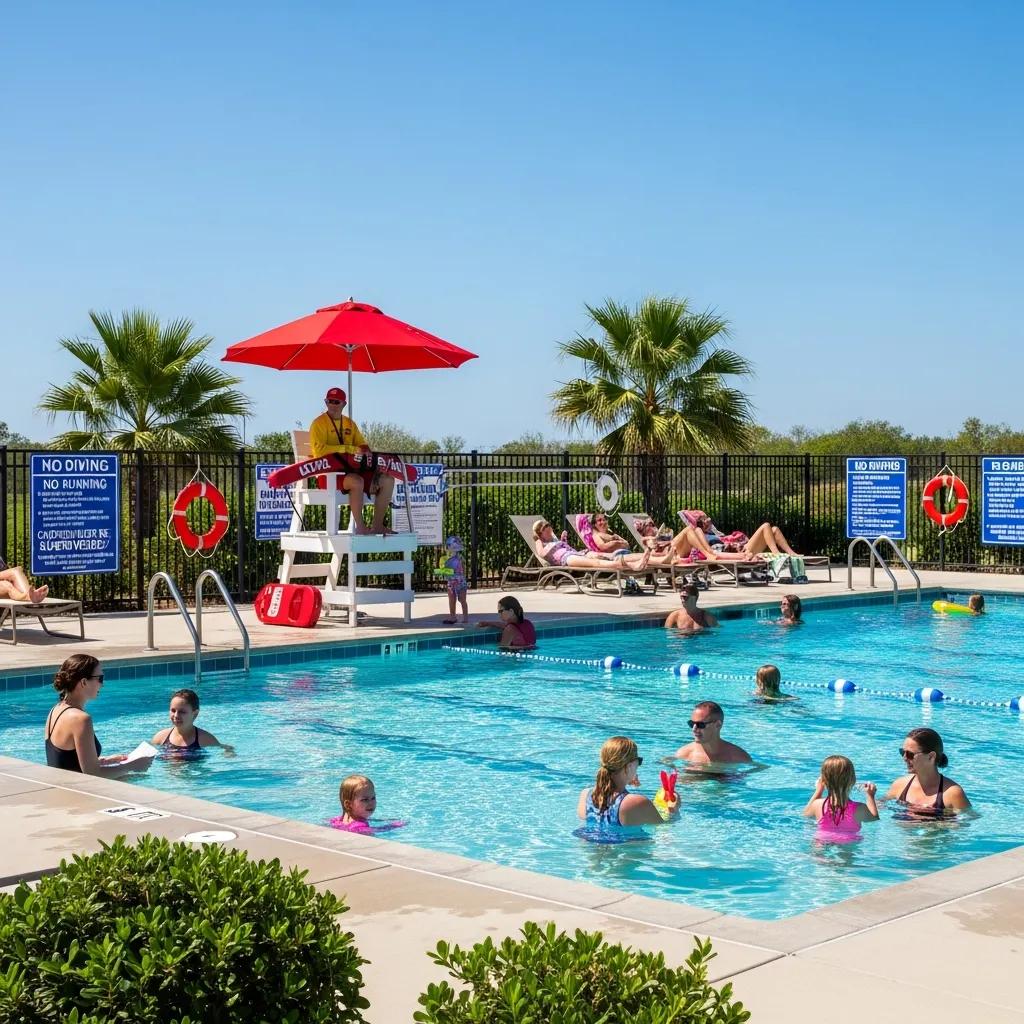
Military lifeguard in camouflage uniform with a rescue buoy, overseeing a pool area in military housing, ensuring safety compliance.

Essential Pool Compliance Standards for Military Housing Facilities: Ensuring Safety and Regulatory Adherence

Ensuring safety and regulatory adherence in military housing facilities is paramount, particularly when it comes to pool compliance standards. This article delves into the essential regulations and best practices that govern military housing pools, providing a comprehensive overview of the requirements that ensure safety for residents and visitors alike. Readers will learn about the key military housing pool regulations, the role of aquatic facility management, and the importance of risk management and emergency action plans. Additionally, we will explore how expert consulting services can support ongoing compliance and financial success in military aquatic facilities. By understanding these standards, military housing facilities can maintain safe and compliant environments for all users.

The importance of robust oversight in military housing is further underscored by ongoing concerns regarding health and safety hazards in privatized facilities.

DOD Oversight & Hazards in Privatized Military Housing

Congress enacted the Military Housing Privatization Initiative in 1996 to improve the quality of housing for servicemembers. DOD is responsible for general oversight of privatized housing projects. Recent reports of hazards, such as mold and pest infestation, have raised questions about DODs oversight of privatized military housing.

Military housing: DOD Needs to strengthen oversight and clarify its role in the management of privatized housing, 2020

What Are the Key Military Housing Pool Regulations and Compliance Requirements?

Military housing pools are subject to a variety of regulations that ensure safety and compliance. These regulations are primarily governed by federal and Department of Defense (DoD) standards, as well as state and local health codes. Understanding these requirements is crucial for maintaining safe aquatic environments.

Which Federal and DoD Standards Govern Military Housing Pools?

Federal and DoD standards play a significant role in shaping the compliance landscape for military housing pools. Key regulations include the Virginia Graeme Baker Pool and Spa Safety Act, which mandates safety features to prevent entrapment and drowning incidents. Additionally, the Unified Facilities Criteria (UFC) outlines design and operational standards for military aquatic facilities, ensuring they meet safety and health requirements. Compliance with these standards not only protects users but also mitigates liability for military housing facilities.

The broader context of DoD’s commitment to health and safety extends beyond just pools, encompassing all aspects of military family housing.

DoD Management of Health & Safety in Military Housing

The objective of this evaluation was to determine if the DoD effectively managed health and safety hazards in Governmentowned and Governmentcontrolled (GOGC) military family housing. Specifically, we determined whether: the DoD and Services established policies and programs to manage health and safety hazards in GOGC military family housing; and the military installation officials managed health and safety hazards in GOGC military family housing.

Evaluation of the DoD’s Management of Health and Safety Hazards in Government-Owned and Government-Controlled Military Family Housing, 2020

How Do State and Local Health Codes Impact Military Aquatic Facilities?

State and local health codes can vary significantly, impacting how military housing pools operate. These codes often dictate specific requirements for water quality, sanitation, and safety measures. For instance, some states may have stricter guidelines regarding lifeguard staffing or chemical management practices. Military facilities must stay informed about these local regulations to ensure compliance and maintain the highest safety standards for their pools.

How Does Aquatic Facility Management Ensure Compliance on Military Bases?

Effective aquatic facility management is essential for ensuring compliance with safety regulations in military housing pools. This involves implementing best practices for staff training, water quality management, and safety protocols.

What Are the Lifeguard Training and Certification Requirements for Military Pools?

Lifeguard training and certification are critical components of pool safety in military housing facilities. Lifeguards must undergo rigorous training programs that meet both federal and DoD standards. This includes certifications from recognized organizations, such as the American Red Cross or the YMCA, which ensure lifeguards are equipped to respond to emergencies effectively. Regular training refreshers and drills are also necessary to maintain readiness and compliance.

How Is Water Quality Testing and Chemical Management Conducted for Safety?

Water quality testing and chemical management are vital for maintaining safe swimming conditions in military pools. Facilities must conduct regular testing of water parameters, including pH levels, chlorine concentration, and turbidity. Proper chemical management practices ensure that water remains safe for users while preventing the growth of harmful pathogens. Compliance with these testing protocols is essential for meeting health regulations and ensuring the safety of all pool users.

What Are the Essential Pool Renovation and Maintenance Standards for Military Housing?

Renovation and maintenance standards are crucial for keeping military housing pools safe and compliant. These standards encompass various aspects, including accessibility, safety features, and structural integrity.

How Do ADA Compliance Upgrades Apply to Military Housing Pools?

The Americans with Disabilities Act (ADA) mandates that all public pools, including those in military housing, be accessible to individuals with disabilities. This includes the installation of features such as accessible entry points, pool lifts, and designated areas for individuals with mobility challenges. Ensuring ADA compliance not only meets legal requirements but also promotes inclusivity and safety for all users.

What Are the Anti-Entrapment Drain Cover and Structural Integrity Requirements?

Anti-entrapment drain covers are essential safety features that prevent accidents in military housing pools. Facilities must adhere to specific standards regarding the installation and maintenance of these covers to ensure they function effectively. These standards are outlined in the Virginia Graeme Baker Pool and Spa Safety Act and related federal guidelines. Additionally, regular inspections of the pool’s structural integrity are necessary to identify and address any potential hazards, ensuring a safe environment for all users.

Which Risk Management and Emergency Action Plans Are Required for Military Pools?

Risk management and emergency action plans are critical for ensuring the safety of military housing pools. These plans outline procedures for responding to emergencies and mitigating risks associated with pool use.

How Are Emergency Procedures and Incident Reporting Implemented?

Emergency procedures must be clearly defined and communicated to all staff members at military housing pools. This includes protocols for responding to drowning incidents, injuries, and other emergencies. Incident reporting mechanisms should also be in place to document any occurrences, allowing for thorough reviews and improvements to safety practices.

What Are Best Practices for Preventing Drowning and Injuries in Military Housing Pools?

Preventing drowning and injuries in military housing pools requires a proactive approach. Best practices include regular safety drills, clear signage regarding pool rules, and ongoing education for both staff and users. Additionally, implementing a buddy system and ensuring lifeguards are vigilant can significantly reduce the risk of accidents.

What Case Studies and Best Practices Demonstrate Successful Military Pool Compliance?

Examining successful case studies can provide valuable insights into effective compliance strategies for military housing pools. These examples highlight the importance of adhering to regulations and implementing best practices.

Which Projects Showcase Effective Compliance and Renovation Solutions?

Several military housing facilities have successfully implemented compliance and renovation solutions that enhance safety and accessibility. For instance, a recent renovation project at a military base included the installation of ADA-compliant features and updated safety equipment, resulting in improved user satisfaction and safety ratings. These projects serve as models for other facilities seeking to enhance their compliance efforts.

How Do Cost-Effective Compliance Strategies Benefit Military Housing Facilities?

Cost-effective compliance strategies can significantly benefit military housing facilities by reducing liability and enhancing user safety. By investing in preventive measures and regular maintenance, facilities can avoid costly accidents and ensure long-term compliance with regulations. This proactive approach not only protects users but also contributes to the overall financial success of military housing operations.

How Can Expert Consulting Services Support Ongoing Military Pool Compliance and Financial Success?

Expert consulting services play a vital role in supporting military housing facilities in maintaining compliance and achieving financial success. These services provide specialized knowledge and resources that can enhance operational efficiency.

What Role Does Specialty Aquatics and Consulting LLC Play in Compliance Management?

Specialty Aquatics and Consulting LLC offers expert guidance in aquatic facility management, renovation, and compliance. Their services include conducting thorough assessments of existing facilities, providing training for staff, and developing tailored compliance strategies. By leveraging their expertise, military housing facilities can ensure they meet all regulatory requirements while enhancing safety and operational efficiency.

How Do Professional Services Enhance Safety and Operational Efficiency?

Professional consulting services can enhance safety and operational efficiency in military housing pools by implementing best practices and innovative solutions. These services help facilities streamline operations, reduce costs, and improve safety outcomes. By partnering with experts, military housing facilities can focus on providing safe and enjoyable aquatic experiences for their residents.

RegulationDescriptionCompliance Requirement
Virginia Graeme Baker ActPrevents entrapment and drowningInstall anti-entrapment drain covers
Unified Facilities CriteriaDesign and operational standardsAdhere to safety and health guidelines
ADA ComplianceAccessibility for individuals with disabilitiesInstall accessible features in pools

This table summarizes key regulations and their compliance requirements, highlighting the importance of adhering to these standards for ensuring safety in military housing pools.

Military housing facilities must navigate a complex landscape of regulations and best practices to ensure pool safety and compliance. By understanding the key military housing pool regulations, implementing effective management strategies, and leveraging expert consulting services, these facilities can create safe and enjoyable aquatic environments for all users.