
Drowning Prevention Strategies Every Aquatic Facility Should Implement: Comprehensive Safety Protocols and Lifeguard Standards
By Michael Scheetz, Specialty Aquatics and Consulting, LLC
Drowning remains a leading cause of accidental death, particularly among children, making effective prevention strategies essential for aquatic facilities. This article explores comprehensive drowning prevention strategies that every aquatic facility should implement, focusing on safety protocols and lifeguard standards. Readers will learn about the importance of risk assessments, proactive safety measures, and the role of lifeguards in ensuring a safe aquatic environment. By addressing these critical areas, facilities can significantly reduce the risk of drowning incidents and enhance overall safety for patrons.
The discussion will cover various aspects, including the necessity of regular risk assessments, the implementation of proactive safety measures, and the establishment of rigorous lifeguard training standards. Additionally, we will delve into the importance of safety equipment, guest education, incident reporting procedures, and compliance with regulations. By understanding and applying these strategies, aquatic facilities can create a safer environment for all users.
Comprehensive Risk Assessments
Comprehensive risk assessments are vital for identifying potential hazards within aquatic facilities. These evaluations involve systematically analyzing the environment, equipment, and operational procedures to pinpoint risks that could lead to drowning incidents. Regular assessments help facilities develop targeted strategies to mitigate identified risks, ensuring a proactive approach to safety management.
Conducting risk assessments should be an ongoing process, as conditions can change due to factors such as weather, facility usage, and maintenance issues. By prioritizing risk management, aquatic facilities can enhance their safety protocols and create a culture of vigilance among staff and patrons alike.
Proactive Safety Measures
Proactive safety measures are essential for preventing drowning incidents in aquatic facilities. These measures include regular maintenance of equipment, staff training, and routine inspections. By implementing a comprehensive safety plan, facilities can significantly reduce the likelihood of accidents.
- Preventative Maintenance: Regularly scheduled maintenance ensures that all safety equipment, such as life rings and automated external defibrillators (AEDs), is in good working condition.
- Staff Training: Continuous training for staff enhances their ability to respond effectively in emergencies, ensuring they are prepared for any situation that may arise.
- Regular Inspections: Conducting frequent inspections of the facility helps identify potential hazards before they lead to incidents, allowing for timely corrective actions.
These proactive measures create a safer environment for all users, fostering a culture of safety and awareness.
Lifeguard Standards
Lifeguard standards are critical in ensuring the safety of patrons at aquatic facilities. Certified lifeguards are trained in emergency response procedures, water rescue techniques, and first aid, making them essential to drowning prevention efforts. Regular recertification is also necessary to maintain high standards of safety and preparedness.
Research consistently highlights the profound impact of trained lifeguards on the safety and outcomes of water rescues.
Lifeguard Impact on Rescue Outcomes & Training
In areas where lifeguard services operate, less than 6% of all rescued persons need medical attention and require CPR. In contrast, among areas where no lifeguard services are provided almost 30% require CPR. This difference indicates the importance of the lifeguard is. Lifeguard work requires effective problem identification, diagnostic strategies and management decisions to be made in high-risk environments where time is of the essence. The purpose of this investigation was to assess all variables involved in lifeguard work related to a water rescue, and how the information obtained could inform lifeguard training and therefore performance.
Challenges and feasibility of applying reasoning and decision-making for a lifeguard undertaking a rescue research, D Szpilman, 2018
- Certification Requirements: Lifeguards must complete a recognized training program that covers essential skills and knowledge.
- Emergency Response Training: Training includes scenarios that prepare lifeguards for various emergency situations, ensuring they can act swiftly and effectively.
- Ongoing Training: Regular refreshers and drills help maintain lifeguard skills and readiness, reinforcing the importance of preparedness in emergency situations.
By adhering to rigorous lifeguard standards, aquatic facilities can enhance their overall safety protocols and reduce the risk of drowning incidents.
The path to becoming a certified lifeguard involves a series of rigorous assessments designed to ensure comprehensive preparedness.
Lifeguard Certification & Training Requirements
To become a certified lifeguard, generally there are three test. These eligibility tests required for lifeguarding enrollment into lifeguarding courses include: (a) a swimming assessment where the participant must continuously swim a certain distance, (b) a timed treading water, and (c) an object retrieval from a specified depth of the pool. The instructor of the lifeguarding class then determines if the participant adequately demonstrated the skills to continue in the class. Once participants successfully demonstrate each skill, they are then tested on their in and out of water skill competencies. Finally, lifeguard certification includes written knowledge tests at the end of the class, including a final in-water scenarios that participants must successfully complete in order to become a lifeguard.
Lifeguard fitness readiness: Certification vs. qualification, 2015
Safety Equipment
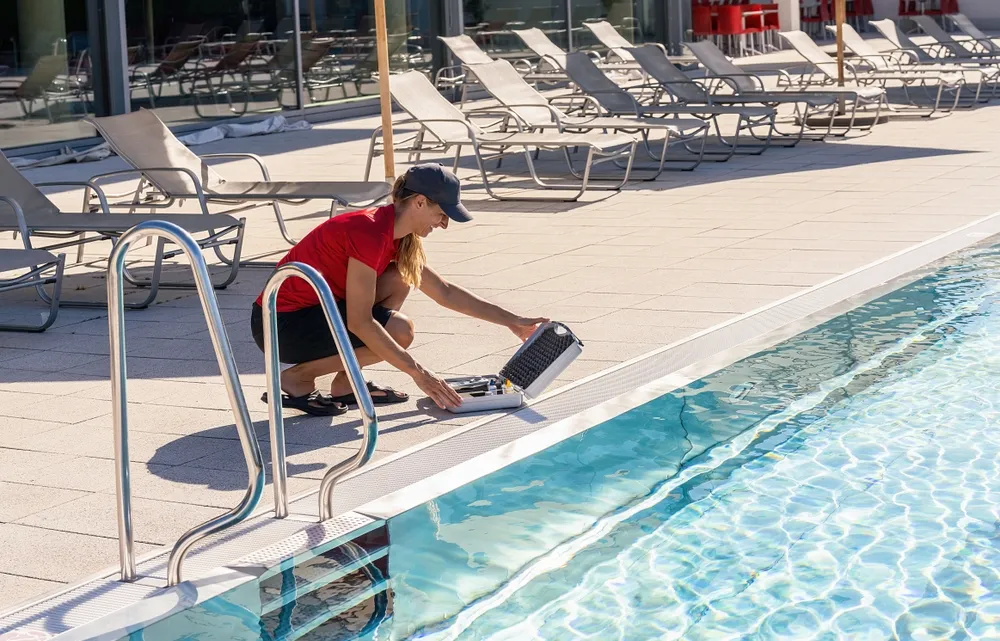
Safety equipment plays a crucial role in drowning prevention at aquatic facilities. Essential items include life rings, reaching poles, first aid kits, and automated external defibrillators (AEDs). Ensuring that this equipment is readily available and well-maintained is vital for effective emergency response.
This table highlights the importance of maintaining safety equipment to ensure it is always ready for use in emergencies. Proper maintenance and accessibility of safety equipment can significantly enhance the effectiveness of drowning prevention strategies.
Guest Education
Educating guests about safety is a fundamental aspect of drowning prevention in aquatic facilities. Clear signage, safety briefings, and informational materials can enhance awareness and promote safe behaviors among patrons.
- Clear Signage: Posting visible safety signs throughout the facility helps remind guests of safety rules and procedures.
- Safety Briefings: Conducting briefings at the start of swim sessions can inform guests about potential hazards and safety protocols.
- Informational Materials: Providing brochures or pamphlets with safety tips can further educate patrons on how to stay safe while enjoying the aquatic environment.
By prioritizing guest education, facilities can empower patrons to take an active role in their safety, ultimately reducing the risk of drowning incidents.
Incident Reporting Procedures
Establishing clear incident reporting procedures is essential for improving safety in aquatic facilities. These protocols ensure that all incidents are documented and analyzed, allowing for the identification of trends and areas for improvement.
- Clear Protocols: Facilities should have well-defined procedures for reporting incidents, ensuring that staff know how to respond appropriately.
- Documentation: Accurate documentation of incidents helps identify patterns and potential hazards, informing future safety measures.
- Follow-Up Investigations: Conducting follow-up investigations after incidents can provide valuable insights into safety improvements and prevent future occurrences.
By implementing effective incident reporting procedures, aquatic facilities can enhance their safety protocols and foster a culture of continuous improvement.
Regular Drills and Refreshers
Regular drills and refreshers are crucial for maintaining staff readiness in aquatic facilities. These exercises ensure that lifeguards and staff are familiar with emergency procedures and can respond effectively in real situations.
- Drills: Conducting simulated emergency scenarios helps staff practice their response skills and reinforces the importance of teamwork during crises.
- Regular Refreshers: Ongoing training sessions keep staff updated on the latest safety protocols and techniques, ensuring they remain prepared for emergencies.
- Simulated Scenarios: Engaging in realistic scenarios enhances preparedness and builds confidence among staff members.
By prioritizing regular drills and refreshers, aquatic facilities can ensure that their staff is always ready to respond to emergencies, ultimately enhancing safety for all patrons.
Compliance with Regulations
Compliance with safety regulations is essential for aquatic facilities to operate legally and safely. Adhering to established guidelines helps reduce liability risks and ensures that facilities meet the necessary safety standards.
- Legal Safety Standards: Facilities must stay informed about local, state, and federal regulations regarding aquatic safety.
- Regular Updates: Keeping up with changes in regulations is crucial for maintaining compliance and ensuring the safety of patrons.
- Adherence Reduces Liability: By following safety regulations, facilities can minimize their liability risks and protect themselves from potential legal issues.
Ensuring compliance with regulations not only enhances safety but also builds trust with patrons, reinforcing the facility’s commitment to providing a safe environment.
What Are the Essential Aquatic Facility Safety Protocols for Drowning Prevention?
Essential safety protocols for drowning prevention include:
- Lifeguard Training: Ensuring lifeguards are well-trained and certified in emergency response.
- Emergency Action Plans (EAPs): Developing clear and effective EAPs for various emergency scenarios.
- Regular Risk Assessments: Conducting ongoing evaluations to identify and mitigate potential hazards.
These protocols form the foundation of a comprehensive safety strategy, significantly reducing the risk of drowning incidents in aquatic facilities.
How Do Risk Assessment Procedures Identify Drowning Hazards?
Risk assessment procedures identify drowning hazards through systematic evaluations of the aquatic environment. The process typically involves:
- Hazard Identification: Recognizing potential risks, such as deep water areas or slippery surfaces.
- Risk Analysis: Prioritizing identified hazards based on their likelihood and potential impact.
- Ongoing Assessments: Regularly reviewing and updating assessments to adapt to changing conditions.
By implementing thorough risk assessment procedures, aquatic facilities can proactively address potential hazards and enhance safety for all users.
Which Safety Guidelines Should Aquatic Facilities Follow?
Aquatic facilities should adhere to essential safety guidelines, including:
- Lifeguard Training and Certification: Ensuring all lifeguards are properly trained and certified.
- Clear Emergency Action Plans (EAPs): Developing and communicating EAPs to all staff.
- Regular Risk Assessments: Conducting frequent evaluations to identify and mitigate hazards.
Following these guidelines helps create a safer environment for patrons and reduces the risk of drowning incidents.
How Can Lifeguard Training Standards Enhance Pool Drowning Prevention?
Lifeguard training standards enhance pool drowning prevention by ensuring that lifeguards are equipped with the necessary skills and knowledge to respond effectively in emergencies. Key components of effective lifeguard training include:
- Water Rescue Techniques: Training lifeguards in various rescue methods to ensure they can assist distressed swimmers.
- CPR and First Aid Training: Providing lifeguards with essential first aid and CPR skills to address medical emergencies.
- Ongoing Training and Recertification: Ensuring lifeguards participate in regular training sessions to maintain their skills and knowledge.
By prioritizing lifeguard training standards, aquatic facilities can significantly improve their drowning prevention efforts.
What Are the Core Components of Effective Lifeguard Training?
Effective lifeguard training includes several core components that prepare lifeguards for their responsibilities:
- Water Rescue Techniques: Lifeguards learn various methods for safely rescuing individuals in distress.
- CPR and First Aid: Training includes essential first aid skills and CPR techniques to address emergencies.
- Emergency Response Protocols: Lifeguards are trained in established protocols for responding to various emergency situations.
These components ensure that lifeguards are well-prepared to protect patrons and respond effectively to emergencies.
How Does Lifeguard Certification Impact Emergency Response?
Lifeguard certification significantly impacts emergency response by ensuring that lifeguards possess the necessary skills and knowledge to act effectively in crises. Key benefits of certification include:
- Improved Response Times: Certified lifeguards are trained to respond quickly and efficiently to emergencies.
- Enhanced Effectiveness: Knowledge of protocols and techniques increases the likelihood of successful rescues.
- Ongoing Training Maintenance: Certification programs often require regular training, ensuring lifeguards remain prepared for emergencies.
By emphasizing lifeguard certification, aquatic facilities can enhance their overall safety protocols and reduce the risk of drowning incidents.
What Water Safety Equipment Is Critical for Aquatic Centers?
Critical water safety equipment for aquatic centers includes:
- Life Rings: Essential for rescuing individuals in distress.
- Reaching Poles: Useful for assisting swimmers who are out of reach.
- First Aid Kits: Necessary for providing immediate medical assistance during emergencies.
Ensuring that this equipment is readily available and well-maintained is vital for effective emergency response.
Which Safety Devices Are Required for Pool Drowning Prevention?
Required safety devices for pool drowning prevention include:
- Life Rings: Essential for rescue operations.
- Reaching Poles: Important for reaching individuals in distress.
- First Aid Kits: Necessary for addressing medical emergencies.
These devices are crucial for ensuring the safety of patrons and enhancing the effectiveness of drowning prevention strategies.
How to Maintain and Inspect Water Safety Equipment Regularly?
Regular maintenance and inspection of water safety equipment are essential for ensuring its effectiveness. Key practices include:
- Regular Inspections: Conducting frequent checks to identify wear and tear on equipment.
- Maintenance Schedules: Establishing schedules for routine maintenance to ensure equipment is always in good working condition.
- Staff Training: Training staff on the proper use and maintenance of safety equipment.
By prioritizing regular maintenance and inspection, aquatic facilities can enhance their safety protocols and ensure that equipment is always ready for use.
How Should Emergency Response Plans Be Developed for Aquatic Facilities?
Developing effective emergency response plans (EAPs) for aquatic facilities involves several key steps:
- Clear Roles and Responsibilities: Defining the roles of staff members during emergencies ensures a coordinated response.
- Regular Reviews and Updates: EAPs should be regularly reviewed and updated to reflect changes in procedures or regulations.
- Training on EAPs: Staff should receive training on EAPs to ensure they are familiar with procedures and can act quickly in emergencies.
By developing comprehensive EAPs, aquatic facilities can enhance their preparedness for emergencies and improve overall safety.
What Are the Key Elements of an Effective Emergency Action Plan?
Key elements of an effective emergency action plan (EAP) include:
- Clear Roles and Responsibilities: Defining staff roles during emergencies ensures a coordinated response.
- Communication Protocols: Establishing clear communication channels helps facilitate effective responses.
- Regular Training and Drills: Conducting training sessions and drills ensures staff are familiar with EAPs and can act quickly in emergencies.
These elements are essential for ensuring that aquatic facilities are prepared to respond effectively to emergencies.
How to Train Staff for Aquatic Emergency Response Procedures?
Training staff for aquatic emergency response procedures involves several critical components:
- Regular Training Sessions: Conducting ongoing training ensures staff are familiar with emergency protocols.
- Emergency Drills: Engaging in simulated emergency scenarios helps staff practice their response skills.
- Certification Programs: Providing access to certification programs enhances staff knowledge and preparedness.
By prioritizing staff training, aquatic facilities can ensure that their team is well-prepared to respond to emergencies effectively.
What Are Proven Pool Drowning Prevention Tips for Facility Managers?
Facility managers can implement several proven tips for pool drowning prevention:
- Implement Layered Safety Approaches: Combining multiple safety strategies enhances overall effectiveness.
- Educate Staff and Patrons: Providing training and information helps promote a culture of safety.
- Regularly Review Safety Protocols: Continuously evaluating and updating safety protocols ensures they remain effective.
By following these tips, facility managers can significantly reduce the risk of drowning incidents and enhance safety for all patrons.
How to Implement Layered Safety Approaches in Aquatic Facilities?
Implementing layered safety approaches in aquatic facilities involves several key strategies:
- Conduct Comprehensive Risk Assessments: Regular evaluations help identify potential hazards.
- Implement Proactive Safety Measures: Establishing safety protocols and training staff enhances preparedness.
- Ensure Compliance with Regulations: Adhering to safety regulations helps reduce liability risks and ensures legal compliance.
By adopting layered safety approaches, aquatic facilities can create a safer environment for all users.
What Role Does Technology Play in Modern Drowning Prevention?
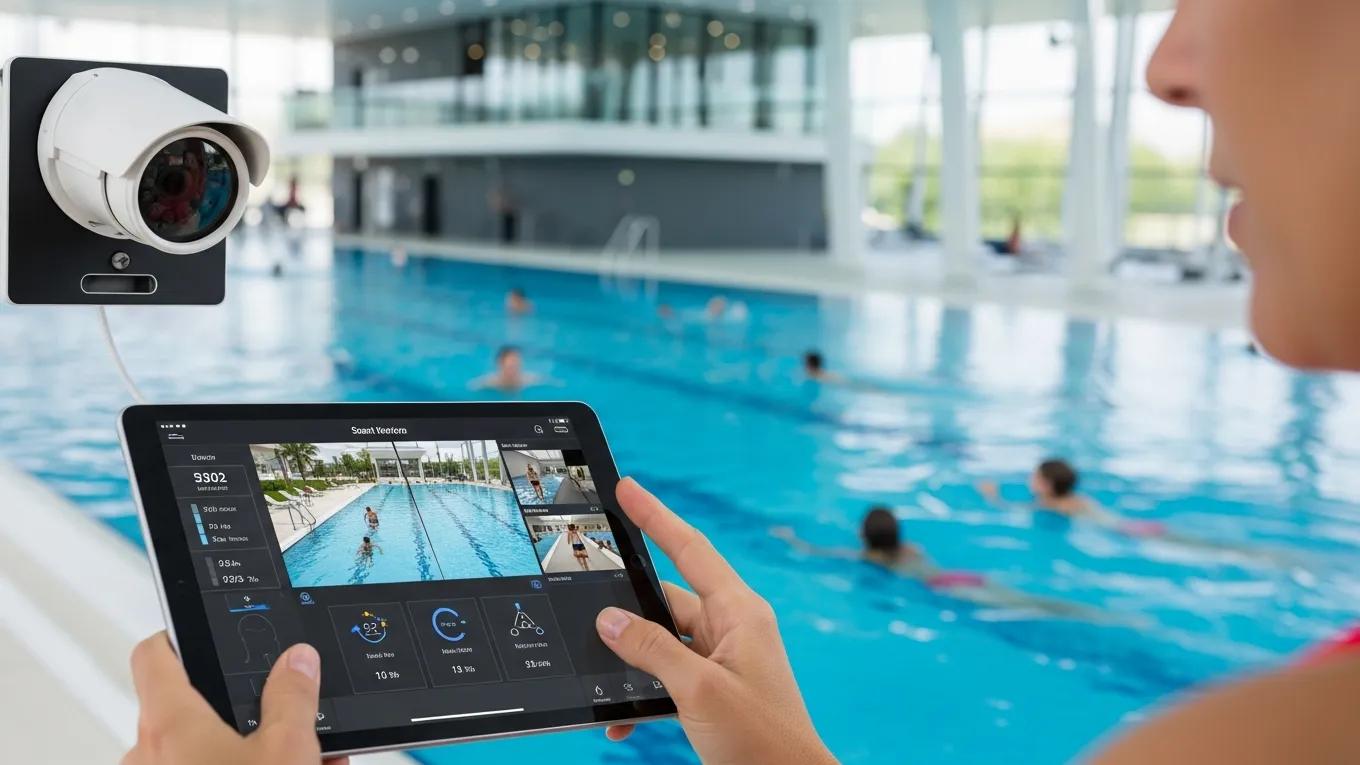
Technology plays a significant role in modern drowning prevention by enhancing monitoring and response capabilities. Key advancements include:
- Smart Pool Systems: These systems provide real-time monitoring of water conditions and patron activity.
- Surveillance Systems: Enhanced surveillance improves safety by allowing staff to monitor patrons more effectively.
- Automated Alert Systems: These systems facilitate quick responses to emergencies, improving overall safety.
By leveraging technology, aquatic facilities can enhance their drowning prevention strategies and improve safety for all patrons.
How Do Case Studies and Best Practices Inform Aquatic Safety Improvements?
Case studies and best practices provide valuable insights into effective aquatic safety improvements. By analyzing successful safety initiatives, facilities can identify strategies that have proven effective in reducing drowning incidents. Key benefits include:
- Valuable Insights: Learning from the experiences of other facilities helps inform safety protocols.
- Enhanced Safety Protocols: Implementing best practices can lead to significant improvements in safety measures.
- Learning from Successes: Understanding what works can help facilities avoid common pitfalls and enhance their safety strategies.
By incorporating lessons learned from case studies, aquatic facilities can continuously improve their safety protocols and reduce the risk of drowning incidents.
What Lessons Can Be Learned from Successful Safety Audits?
Successful safety audits provide critical lessons for aquatic facilities. Key takeaways include:
- Identifying Vulnerabilities: Regular audits help pinpoint areas for improvement in safety protocols.
- Feedback for Training: Insights from audits can inform staff training and enhance preparedness.
- Improving Operational Practices: Implementing recommendations from audits can lead to significant safety improvements.
By learning from safety audits, aquatic facilities can enhance their overall safety strategies and reduce the risk of drowning incidents.
Specific audits, such as the Aquatic Safety Audit, provide a structured approach to evaluating and improving health and safety compliance in aquatic environments.
Aquatic Facility Safety Audits & Compliance
The Aquatic Safety Audit (ASA) is a service provided by the Lifesaving Society (LSS) to assess health and safety compliance in aquatic facilities. Inadequate safe storage of chemicals and no protective equipment in place were the main issues identified during these audits.
An analysis of health and safety audits of aquatic facilities in Ontario: 2002–2020, CY Hon, 2002
How Have Recent Innovations Enhanced Aquatic Facility Safety?
Recent innovations have significantly enhanced aquatic facility safety through improved monitoring and response capabilities. Key advancements include:
- Smart Monitoring Systems: These systems provide real-time data on water conditions and patron activity, allowing for proactive safety measures.
- Automated Systems: Innovations in automation streamline operational processes, improving overall efficiency and safety.
- Enhanced Training Tools: New training technologies provide lifeguards with realistic scenarios to practice their skills, enhancing preparedness.
By embracing recent innovations, aquatic facilities can improve their safety protocols and create a safer environment for all users.
For more information about maintaining high standards, consider reviewing aquatic facility safety standards.
To ensure your facility meets the highest safety standards, it’s essential to understand the services offered by professional aquatic management companies.
Reviewing successful projects can provide valuable insights into effective safety implementations.
If you have any questions or need further assistance, please contact us.