
Multi-family property pool with clear blue water, featuring a splash pad, lounge chairs, and surrounding residential buildings, illustrating maintenance challenges and solutions in aquatic facility management.

Top 5 Multi-Family Pool Maintenance Challenges and How to Overcome Them

Maintaining pools in multi-family properties presents unique challenges that can significantly impact both safety and satisfaction for residents. This article explores the top five pool maintenance challenges faced by multi-family properties, providing insights into effective solutions. Understanding these challenges is crucial for property managers and owners to ensure a safe and enjoyable swimming environment. From water chemistry issues to equipment failures, each challenge requires specific strategies to mitigate risks and enhance pool management. We will delve into common water chemistry problems, equipment maintenance, structural issues, safety compliance, and budgeting challenges, offering practical solutions along the way.

Indeed, the complexities of managing shared residential facilities, particularly in the context of maintenance, are a global concern, highlighting the need for robust strategies.

Multifamily Building Maintenance Challenges & Management Strategies

The development of more multifamily shared residential buildings (MFSRB) in Ghana demands the call for better management and maintenance of such facilities due to the fundamental challenges of the blend of individual and collective ownership. The Ghanaian culture of building maintenance has been poor and therefore, prudent management and maintenance of MFSRB is crucial. The study aims at answering the questions”To what extent do occupants adher to the rules and regulations used in management and maintenance” and “What is the choice of maintenance strategies practiced by occupants”. The Social Security and National Insurance Trust (SSNIT) MFSRB at Asuoyeboah in Kumasi was used as a case study. It is important to find out after about 30 years of operation, the management and maintenance challenges faced.

Sustainable Management and Maintenance Practices of Multifamily-Shared Residential Buildings in Ghana, 2017

What Are the Most Common Water Chemistry Problems in Multi-Family Pools?

Pool staff member inspecting water quality with testing kit at a commercial swimming pool, emphasizing safety and compliance in aquatic operations.

Water chemistry is a critical aspect of pool maintenance, as imbalances can lead to health risks and unsatisfactory swimming conditions. Common water chemistry problems include pH imbalance, low or high chlorine levels, and the presence of algae. These issues can result in cloudy water, skin irritations, and even more severe health concerns if not addressed promptly. Regular testing and adjustments are essential to maintain optimal water quality, ensuring a safe swimming environment for residents.

How Does Water Chemistry Imbalance Affect Pool Health and Safety?

An imbalance in water chemistry can have serious implications for pool health and safety. For instance, high pH levels can lead to skin and eye irritation, while low chlorine levels may fail to eliminate harmful bacteria. Additionally, improper chemical balance can promote algae growth, making pools unsightly and unsafe. Property managers must prioritize regular water testing and treatment to prevent these issues, ensuring compliance with health regulations and safeguarding residents’ well-being.

What Are Effective Strategies for Algae Prevention and Chemical Balancing?

To effectively prevent algae growth and maintain chemical balance, property managers should implement several strategies:

  • Regular Testing: Conduct at least twice-weekly water tests to monitor pH, chlorine, and alkalinity levels.
  • Chemical Adjustments: Use appropriate chemicals to correct imbalances promptly.
  • Preventative Maintenance: Establish a routine cleaning schedule to remove debris and prevent algae buildup.

By following these strategies, property managers can maintain a clean and safe pool environment, reducing the risk of health issues and enhancing resident satisfaction.

Specialty Aquatics and Consulting LLC offers expert aquatic facility management services, including water chemistry analysis and treatment plans tailored to multi-family properties. Their focus on safety and financial success ensures that property managers can effectively address water chemistry challenges.

How Can Equipment Failures and Energy Inefficiency Be Prevented in Apartment Complex Pools?
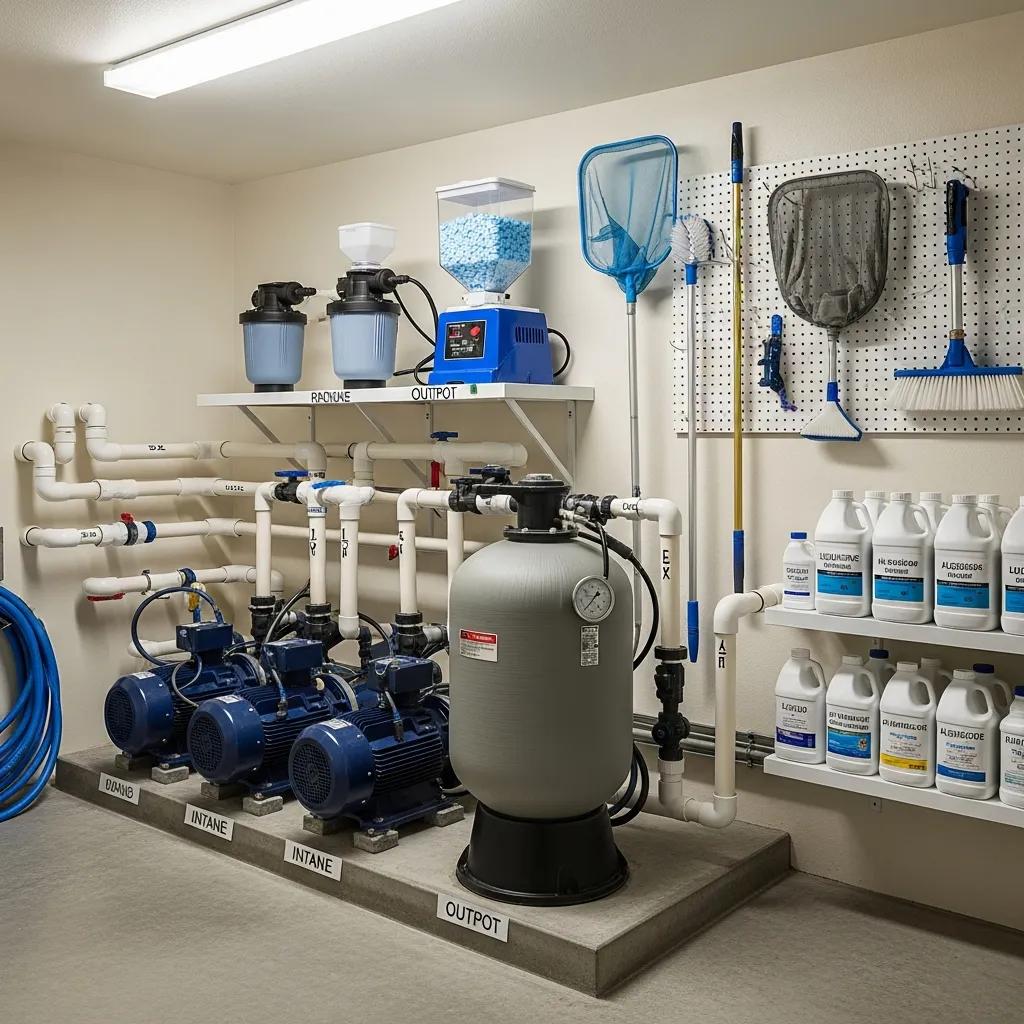
Pool filtration system with connected pipes, emphasizing equipment maintenance for multi-family property management and ensuring water quality.

Equipment failures and energy inefficiencies can lead to costly repairs and increased operational expenses for multi-family properties. Common signs of equipment malfunction include unusual noises, decreased water circulation, and increased energy bills. Regular inspections and maintenance are essential to identify and address these issues before they escalate.

What Are Signs of Pool Equipment Malfunction and Energy Waste?

Property managers should be vigilant for the following signs of equipment malfunction and energy waste:

  • Unusual Noises: Grinding or rattling sounds may indicate mechanical issues.
  • Poor Water Circulation: Inadequate water flow can signal pump problems.
  • Increased Energy Bills: A sudden spike in energy costs may suggest inefficient equipment operation.

By recognizing these signs early, property managers can take proactive measures to maintain equipment efficiency and reduce energy consumption.

Which Preventative Maintenance Practices Extend Equipment Lifespan?

Implementing preventative maintenance practices can significantly extend the lifespan of pool equipment. Key practices include:

  • Regular Inspections: Schedule routine checks to identify potential issues.
  • Scheduled Maintenance: Establish a maintenance calendar for cleaning and servicing equipment.
  • Upgrades and Replacements: Invest in energy-efficient equipment, such as variable-speed pumps and LED lighting, to reduce operational costs.

By prioritizing these practices, property managers can enhance equipment reliability and minimize unexpected repair expenses.

Specialty Aquatics and Consulting LLC provides comprehensive equipment maintenance services, ensuring that multi-family properties can operate efficiently and effectively.

What Structural Damage and Leak Issues Commonly Affect Multi-Family Property Pools?

Structural damage and leaks are significant concerns for multi-family property pools, as they can lead to costly repairs and safety hazards. Common issues include cracks in the pool surface, deck deterioration, and plumbing leaks. Identifying these problems early is crucial to prevent further damage and ensure the safety of residents.

How to Detect Early Signs of Pool Leaks and Structural Deterioration?

Detecting early signs of leaks and structural deterioration involves careful observation and regular inspections. Property managers should look for:

  • Water Loss: Noticeable drops in water levels may indicate leaks.
  • Cracks: Visible cracks in the pool surface or deck can signal structural issues.
  • Wet Spots: Persistent wet areas around the pool may suggest plumbing leaks.

By monitoring these signs, property managers can address issues promptly, preventing costly repairs and ensuring a safe swimming environment.

What Repair and Renovation Solutions Address Pool Cracks and Deck Safety?

When addressing pool cracks and deck safety, property managers have several repair and renovation options:

  • Crack Injection: Use epoxy or polyurethane to seal cracks and prevent water intrusion.
  • Deck Resurfacing: Apply a new surface layer to improve safety and aesthetics.
  • Plumbing Repairs: Fix leaks promptly to prevent further damage and water loss.

These solutions not only enhance the pool’s safety but also improve its overall appearance, contributing to resident satisfaction.

How Do Safety and Regulatory Compliance Challenges Impact HOA and Commercial Pools?

Safety and regulatory compliance are paramount for multi-family properties, as failure to adhere to regulations can result in fines and liability issues. Key regulations include pool safety standards, lifeguard requirements, and ADA compliance. Property managers must stay informed about these regulations to ensure compliance and protect residents.

What Are Key Pool Safety Regulations and ADA Compliance Requirements?

Key pool safety regulations include:

  • Fencing Requirements: Pools must be enclosed with appropriate barriers, such as self-closing and self-latching gates, to prevent unauthorized access.
  • Lifeguard Standards: Most multi-family residential pools are not required to have lifeguards on duty, but commercial pools or those with high usage may require certified lifeguards.
  • ADA Compliance: Pools must be accessible to individuals with disabilities, including features like pool lifts or sloped entries, handrails, and accessible pathways.

Understanding and implementing these regulations is essential for maintaining a safe and compliant pool environment.

How Can Property Managers Reduce Liability Through Effective Pool Management?

To reduce liability, property managers should adopt effective pool management practices, such as:

  • Regular Safety Inspections: Conduct routine checks to ensure compliance with safety regulations.
  • Staff Training: Provide training for staff on safety protocols and emergency procedures.
  • Documentation: Maintain records of inspections, maintenance, and incidents to demonstrate compliance.

By prioritizing these practices, property managers can minimize liability risks and enhance the safety of their pool facilities.

What Budgeting and Cost Overruns Challenges Do Multi-Family Properties Face in Pool Maintenance?

Budgeting for pool maintenance can be challenging for multi-family properties, as unexpected expenses can arise from equipment repairs, chemical treatments, and structural repairs. Effective budgeting strategies are essential to manage these costs and ensure financial stability.

How Can Preventative Maintenance Help Control Unexpected Pool Expenses?

Preventative maintenance plays a crucial role in controlling unexpected pool expenses. By implementing a proactive maintenance plan, property managers can:

  • Identify Issues Early: Regular inspections help catch problems before they escalate.
  • Reduce Repair Costs: Timely maintenance can prevent costly repairs and replacements.
  • Extend Equipment Lifespan: Proper care ensures that equipment operates efficiently for longer periods.

By prioritizing preventative maintenance, property managers can effectively manage their budgets and reduce the likelihood of unexpected expenses.

What Is the ROI of Professional Pool Management Services for Apartment Complexes?

Investing in professional pool management services can yield significant returns for apartment complexes. Key benefits include:

  • Expertise: Professional services provide specialized knowledge and experience in pool maintenance.
  • Time Savings: Outsourcing management allows property managers to focus on other responsibilities.
  • Cost Efficiency: Professional services can help identify cost-saving opportunities and prevent costly mistakes.

By leveraging professional pool management services, multi-family properties can enhance their operational efficiency and ensure a safe, enjoyable swimming environment for residents.

ServiceCostBenefit
Water Chemistry ManagementVariesEnsures safe swimming conditions
Equipment MaintenanceVariesExtends equipment lifespan
Structural RepairsVariesPrevents costly damage