
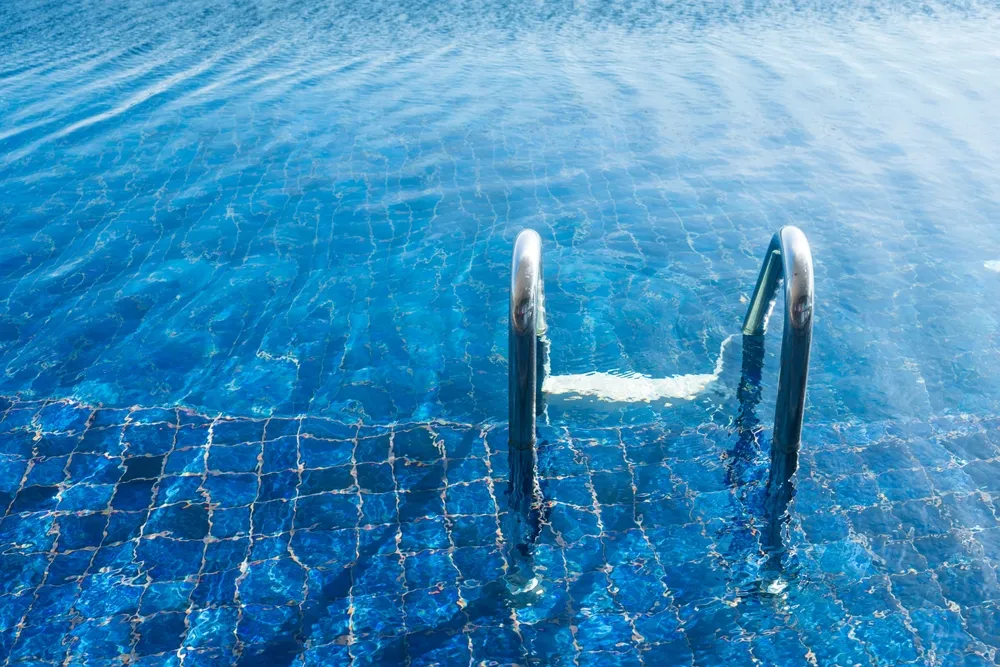
Pool Maintenance & Repair: Essential Services to Keep Aquatic Facilities Safe
Keeping an aquatic facility clean and safe protects swimmers and keeps operations running. This guide summarizes routine maintenance, common repairs, safety standards, and practical water-treatment and equipment-care advice for commercial pools.
Routine Maintenance Practices
Consistent daily and weekly care extends a pool’s life and preserves water quality: skim debris, verify sanitizer and pH, confirm circulation, vacuum and brush surfaces, and inspect filters to prevent algae, cloudiness, and equipment failure.
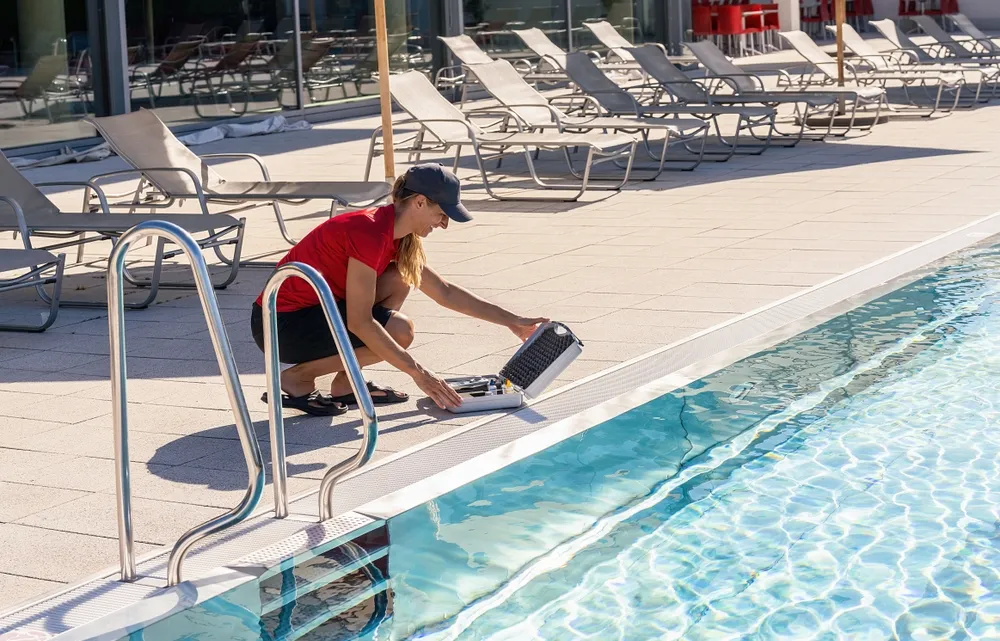
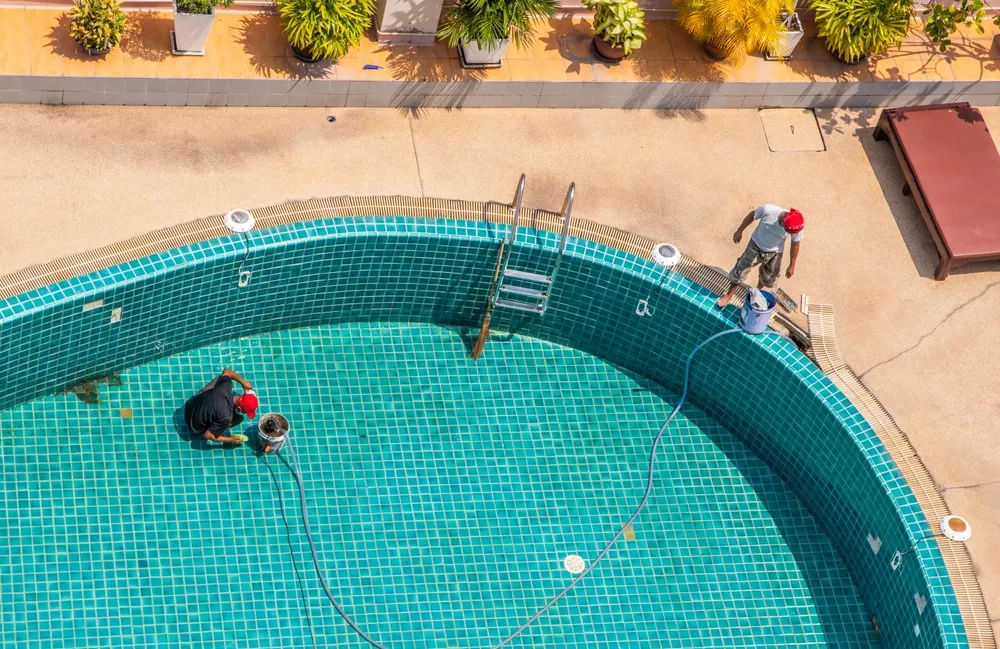
Repair TechniquesRepairs range from targeted fixes—crack sealing, resealing fittings—to mechanical work on pumps, filters, heaters, and controls; temporary stabilizing repairs are common until full service is scheduled.
Adherence to Safety Standards
Operators must follow federal and local rules—such as the Virginia Graeme Baker (VGB) Pool and Spa Safety Act—and maintain documented inspection schedules and staff training to reduce entrapment and other hazards.
The VGB Act emphasizes proper installation and upkeep of safety devices to prevent entrapment and related injuries.
Swimming Pool Safety — VGB Act Compliance
Entrapment and evisceration protection: the Virginia Graeme Baker Pool and Spa Safety Act aims to reduce the risk of entrapment incidents for pool users.
Swimming Pool Safety—Risk Management Best Practices, 2014
How Often Should Commercial Pools Receive Professional Maintenance?
Commercial pools need daily and weekly sanitation plus periodic professional inspections and preventative services scheduled by pool size, bather load, and local code to prevent costly failures and ensure compliance.
What Are the Key Tasks in Commercial Pool Cleaning and Equipment Maintenance?
Key tasks include:
- Daily Cleaning: Skim debris and confirm sanitizer and pH.
- Weekly Vacuuming: Clean floors and walls to remove settled contaminants.
- Equipment Checks: Inspect pumps, filters, heaters, and controls for proper operation.
These routines protect water quality, reduce health risks, and extend equipment life.
How Does Regular Maintenance Ensure Aquatic Facility Safety and Compliance?
Routine testing and inspections find chemical imbalances, worn parts, and safety gaps early; a documented maintenance plan helps meet codes and demonstrates that safety procedures were followed.
What Are the Best Practices for Swimming Pool Water Treatment and Chemical Balancing?
Effective treatment relies on steady testing and safe handling:
- Regular Testing: Monitor pH, free chlorine, and key parameters multiple times per week—or daily for high-use pools.
- Safe Chemical Handling: Store and use chemicals per manufacturer and local rules.
- Chemical Balancing: Make measured adjustments to avoid overcorrection.
These steps reduce waterborne illness risk and keep swim conditions stable.
Which Chemicals Are Essential for Maintaining Safe Pool Water Quality?
Core chemicals include:
- Chlorine: Primary disinfectant.
- pH Balancers: Acids or bases to maintain correct acidity.
- Algaecides: Products to prevent and control algae.
Know each product’s role and dosing requirements for consistent water quality.
How Does Chemical Management Prevent Pool Equipment Damage?
Balanced chemistry prevents corrosion and scale that damage pumps, heaters, and metal fittings; regular testing and timely adjustments reduce wear, scale buildup, and higher repair or energy costs.
What Safety Inspections and Compliance Standards Must Commercial Pools Meet?
Requirements vary by jurisdiction but commonly include secure fencing and gates, appropriate lifeguard staffing and certification, and ADA-compliant access, lifts, and pathways; staying current with local health and building codes avoids fines and improves safety.
What Are the Latest Aquatic Facility Safety Regulations for 2025 and Beyond?
Recent trends stress more frequent inspections, stronger entrapment protections, and clearer documentation; track local code updates and plan staffing, training, and equipment changes to meet evolving standards.
How Are Safety Inspections Conducted to Ensure Pool Compliance?
Inspections combine routine checks with audits: reviewers examine water-quality records, test equipment performance, and verify drains, covers, and emergency protocols, with full audits identifying systemic risks beyond routine checks.
Aquatic Facility Health & Safety — Compliance Audits
A comprehensive audit assesses regulatory compliance and adherence to industry best practices, identifying risks that routine inspections may overlook.
An analysis of health and safety audits of aquatic facilities in Ontario: 2002–2020, CY Hon, 2002
How Can Emergency Pool Repair Services Minimize Downtime and Maintain Safety?
Emergency repair teams stabilize systems quickly with code-compliant temporary fixes, reducing closure time; clear communication with staff and patrons helps manage expectations until permanent repairs are completed.
What Are Common Signs That Indicate Pool Equipment Needs Immediate Repair?
Watch for these urgent indicators:
- Unusual Noises: Grinding or rattling from motors and pumps.
- Poor Water Circulation: Low flow or uneven filtration affecting clarity.
- Visible Cracks: Structural damage that can worsen rapidly.
Early detection and prompt service prevent safety issues and costlier repairs.
What Preventive Maintenance Steps Reduce the Need for Emergency Repairs?
Preventive care lowers incidents and long-term costs; key measures include:
- Regular Inspections: Spot wear, leaks, and performance drops early.
- Scheduled Maintenance: Planned servicing for pumps, filters, and heaters.
- Timely Repairs: Fix small issues promptly to prevent escalation.
Consistent preventive maintenance improves safety, reliability, and equipment longevity.
To learn more about N2 Aquatics and their commitment to quality, visit their website.
For an overview of offerings, explore the services provided by N2 Aquatics to keep your pool in top condition.
See real-world examples by reviewing the N2 Aquatics project portfolio.
If you have questions or want to schedule a consultation, contact N2 Aquatics for expert support.
Frequently Asked Questions
What are the benefits of hiring a professional for pool maintenance?
Professionals provide water-chemistry expertise, reliable equipment troubleshooting, and compliance knowledge; they spot issues early, use industry-grade tools, and follow best practices to reduce liability and long-term costs.
How can pool owners ensure their maintenance practices are environmentally friendly?
Choose biodegradable or lower-toxicity chemicals, fix leaks, install energy-efficient equipment (variable-speed pumps, solar heating), optimize backwash practices, and use covers to conserve water.
What should be included in a pool maintenance checklist?
Include daily skimming and sanitizer/pH checks, weekly vacuuming and brushing, monthly filter and equipment inspections, and a record-keeping routine to track trends and prove compliance.
What are the common causes of pool water imbalance?
Imbalance often stems from incorrect dosing, heavy bather loads, runoff, evaporation, and weather; frequent testing and measured adjustments keep chemistry stable.
How can pool owners prepare for seasonal maintenance changes?
Inspect equipment before heavy-use seasons, adjust chemical protocols for temperature and usage, and plan winterization (lower water levels, protect plumbing, use covers) to protect infrastructure.
What role do pool covers play in maintenance and safety?
Covers reduce debris, evaporation, and chemical use while adding safety by restricting access when the pool is closed; choose a cover rated for your needs and use it consistently.
What are the signs that indicate a pool needs professional maintenance?
Persistent cloudiness, recurring algae, strong chemical odors, unusual equipment noises, or frequent circulation problems are signals to call a professional.